
Sony Patents Sound That Shifts Based on Where Your Virtual Character Stands
In most multiplayer games, your teammate sounds the same whether their character is standing next to you or across the map. Sony wants to fix that by making voices shift — in volume, direction, and distance — based on exactly where avatars are standing relative to each other.
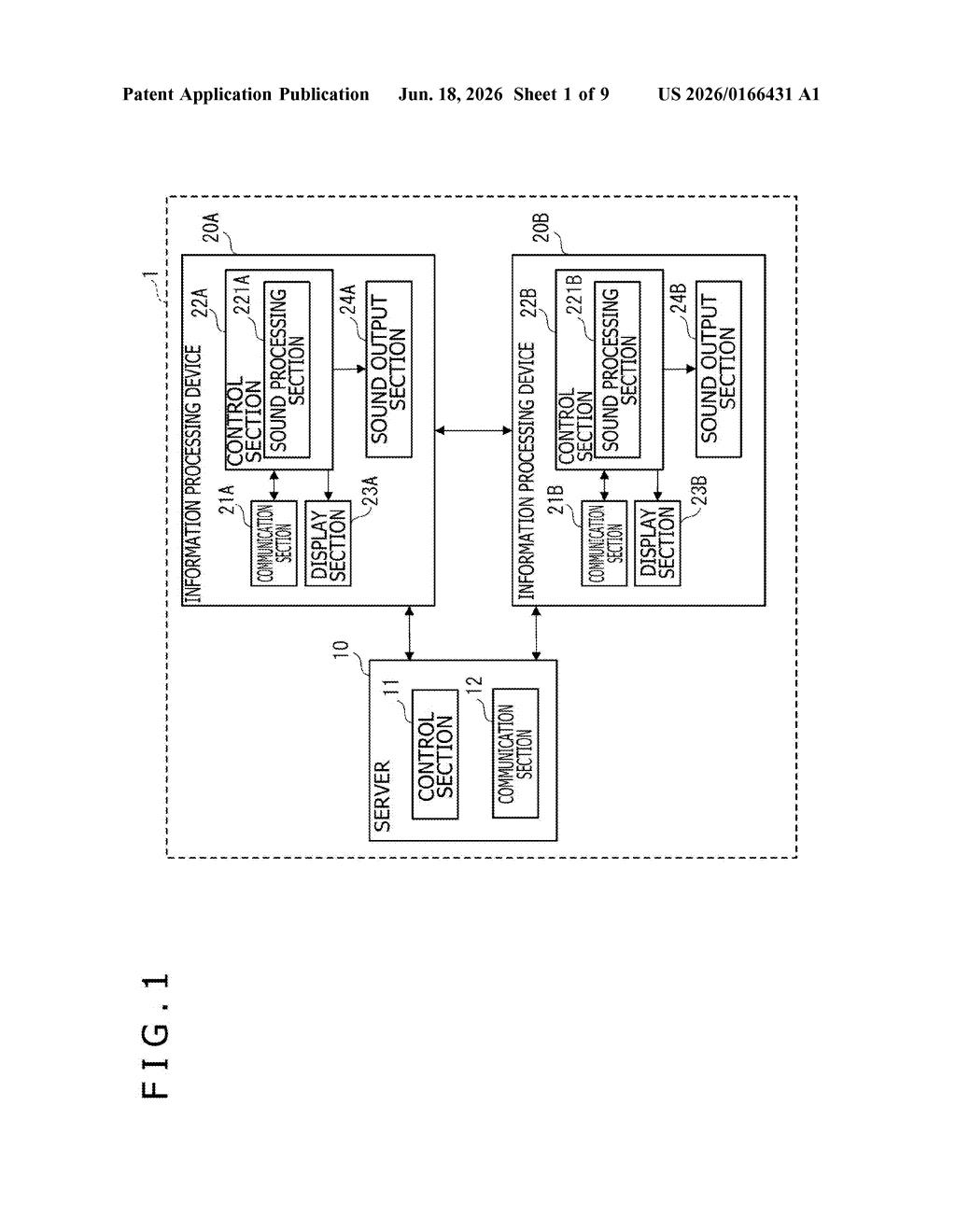
How Sony ties voice chat to avatar position in VR
Imagine you're in a virtual world with friends and one of them walks up behind your character to whisper something. Right now, most games play everyone's voice at the same flat volume no matter where they are. Sony's patent describes a system that changes how a player's voice sounds based on where their in-game character is standing compared to yours.
If their avatar is far away, their voice should sound distant. If they're off to your left, it should come from the left. The system constantly reads each character's position in the virtual space and reshapes the audio in real time to match.
This is essentially spatial audio for voice chat — the same idea behind headphones that make a movie's sound feel 3D, applied to the people you're actually playing with. It sounds like a small detail, but it's the kind of thing that makes a virtual world feel real rather than just visual.
How the system tracks positions and reshapes audio
The patent describes a device with four key components working together:
- First acquisition section — continuously reads the position of both the local player's character and the other player's character inside the virtual space.
- Second acquisition section — captures the incoming voice or sound data from the other user (the second player's microphone feed).
- Sound processing section — takes that voice data and modifies it based on the relative positional relationship between the two avatars. This is the core step: if the avatars are 50 virtual meters apart, the audio is processed to sound distant; if one avatar is to the right of the other, the audio is panned accordingly.
- Sound output section — delivers the processed audio to the first user's headphones or speakers.
The underlying idea is sometimes called spatialized or positional audio — audio rendering that simulates how sound behaves in physical space. Distance, direction, and occlusion (being blocked by objects) are all factors that can be fed into this kind of processing pipeline. The patent focuses specifically on tying this to character positions in a virtual environment rather than to a fixed speaker setup.
What this means for multiplayer VR and PlayStation games
Sony Interactive Entertainment makes the PlayStation consoles and the PlayStation VR2 headset, so a patent like this fits neatly into their push to make virtual reality feel more immersive. Spatial audio has been a selling point for Sony's hardware for years — the PS5 ships with a custom Tempest 3D audio engine. Extending that to live voice chat between players, driven by avatar positions, would be a natural next step.
For you as a player, the practical effect is that multiplayer spaces — whether a VR social app, a co-op shooter, or an online party game — could feel dramatically more convincing. Conversations would carry a sense of physical presence that flat voice chat simply doesn't provide.
This is a straightforward but genuinely useful patent. Spatial voice chat tied to avatar position is something VR and social gaming have needed for a long time, and the fact that Sony is filing on it formally suggests they're thinking seriously about baking it into platform-level audio infrastructure — not just a one-off game feature. It's not a surprising idea, but execution at the OS or hardware level is where it actually becomes valuable.
There are more where this came from
We read every patent application Big Tech publishes and send you the ones worth knowing. Plain English, free, every week.
Want this weekly breakdown for a company we don't cover? Patentlyze Pro →