
Sony Patents a Camera Sensor That Automatically Chooses How to Capture Depth
Sony's semiconductor division is patenting a depth sensor that doesn't need to be told how to operate — it reads the scene and chooses the right imaging mode on its own.
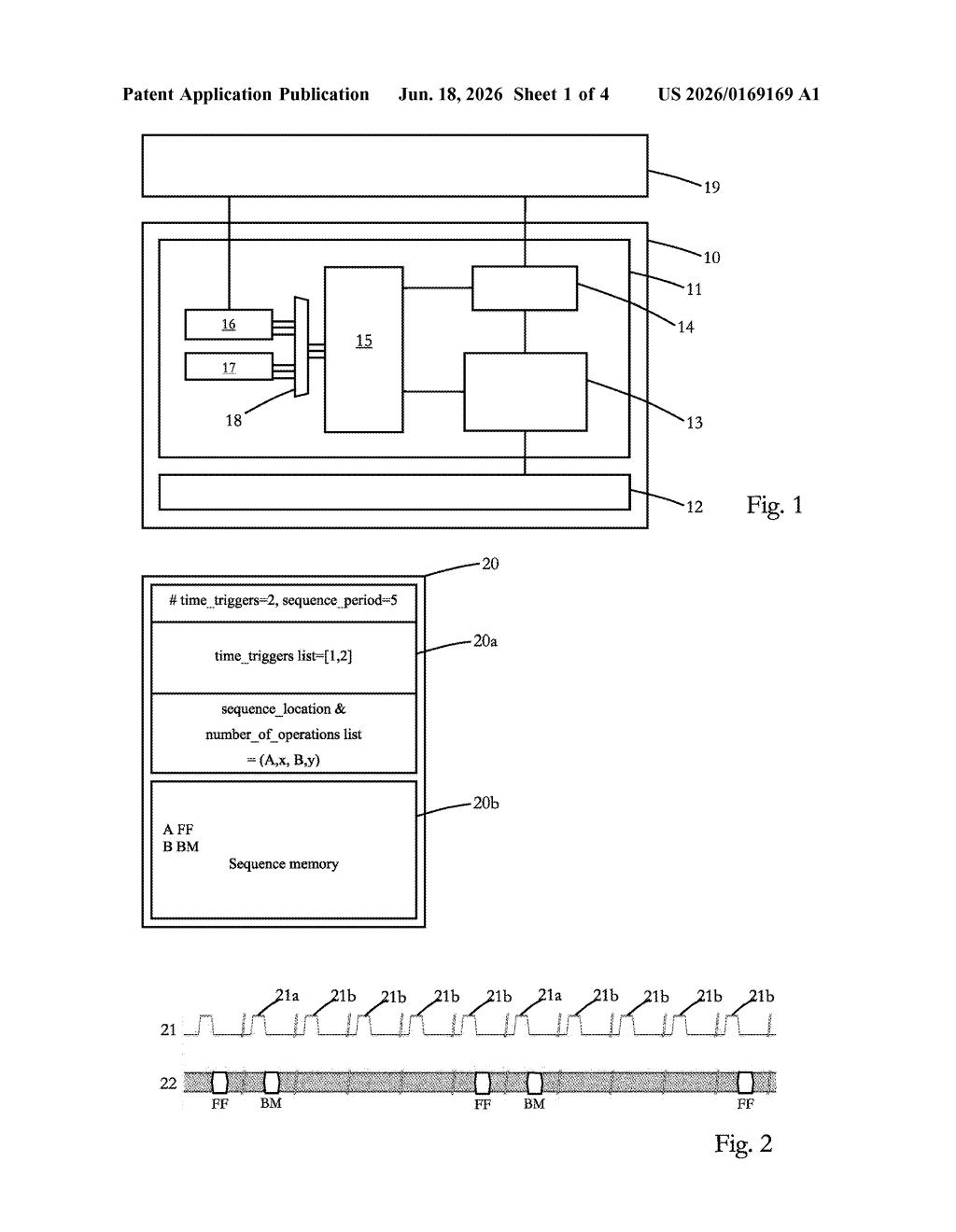
What Sony's self-switching depth sensor actually does
Imagine your phone's camera constantly guessing whether you're trying to scan a face, map a room, or track a fast-moving object — and having to be manually set up for each one. That's the problem Sony is working on here.
Sony's patent describes a depth-sensing chip — the kind that measures how far away objects are by timing how long a pulse of light takes to bounce back — that can automatically switch between different ways of capturing a scene. Instead of being locked into one mode, an internal logic circuit decides which approach fits the moment.
This kind of flexibility matters most in devices that do many things at once: AR headsets, robot cameras, or phones that need to handle both face unlock and background blur without missing a beat.
How the chip decides which imaging mode to use
The patent covers a time-of-flight (ToF) sensing circuit — a chip that measures distance by firing light (usually infrared) and timing how long it takes to return. That bounce time tells the chip how far away each point in a scene is, building up a depth map.
What makes this filing distinct is the addition of a logic circuit that decides the imaging mode. A ToF sensor can operate in several ways depending on conditions — for example:
- Short-range, high-precision mode for face detection
- Wide-area mode for mapping a full room
- High-speed mode for tracking moving objects
Typically, switching between these modes requires outside instruction — from a processor or software layer. Sony's design moves that decision-making onto the sensor chip itself, letting it react faster and with less reliance on the main processor.
It's worth noting the first independent claim (claims 1–20) was canceled in this publication, which often happens during patent prosecution when claims are refined or narrowed before final grant. The core concept — an autonomous, multi-mode ToF sensor — still defines the filing's intent.
What this means for cameras and AR devices
Sony Semiconductor Solutions supplies image sensors to a huge share of the global smartphone market, and ToF sensors are increasingly central to AR headsets, robotics, and premium phone cameras. A sensor that manages its own mode-switching reduces the processing burden on the host chip and can respond to scene changes faster than software-driven approaches.
For end users, this could translate to faster face unlock, more accurate portrait mode depth, or AR glasses that handle bright outdoor light and dim indoor environments without a noticeable lag or manual adjustment. It's a plumbing-level improvement, but plumbing is what makes the visible features actually work.
This is a quiet but real piece of sensor engineering from a company that dominates the image sensor supply chain. The canceled claims are a flag to watch — this patent may not survive in its current form — but the underlying idea of putting mode-selection intelligence directly on the ToF chip is a logical next step for devices that need to do more with less processor overhead.
There are more where this came from
We read every patent application Big Tech publishes and send you the ones worth knowing. Plain English, free, every week.
Want this weekly breakdown for a company we don't cover? Patentlyze Pro →