
Intel Patents a Way to Find Your Location Using Audio Broadcast Signals
GPS doesn't work well inside buildings, but audio does. Intel's latest patent describes a system that figures out where you are by listening to broadcast audio signals instead of hunting for satellites.
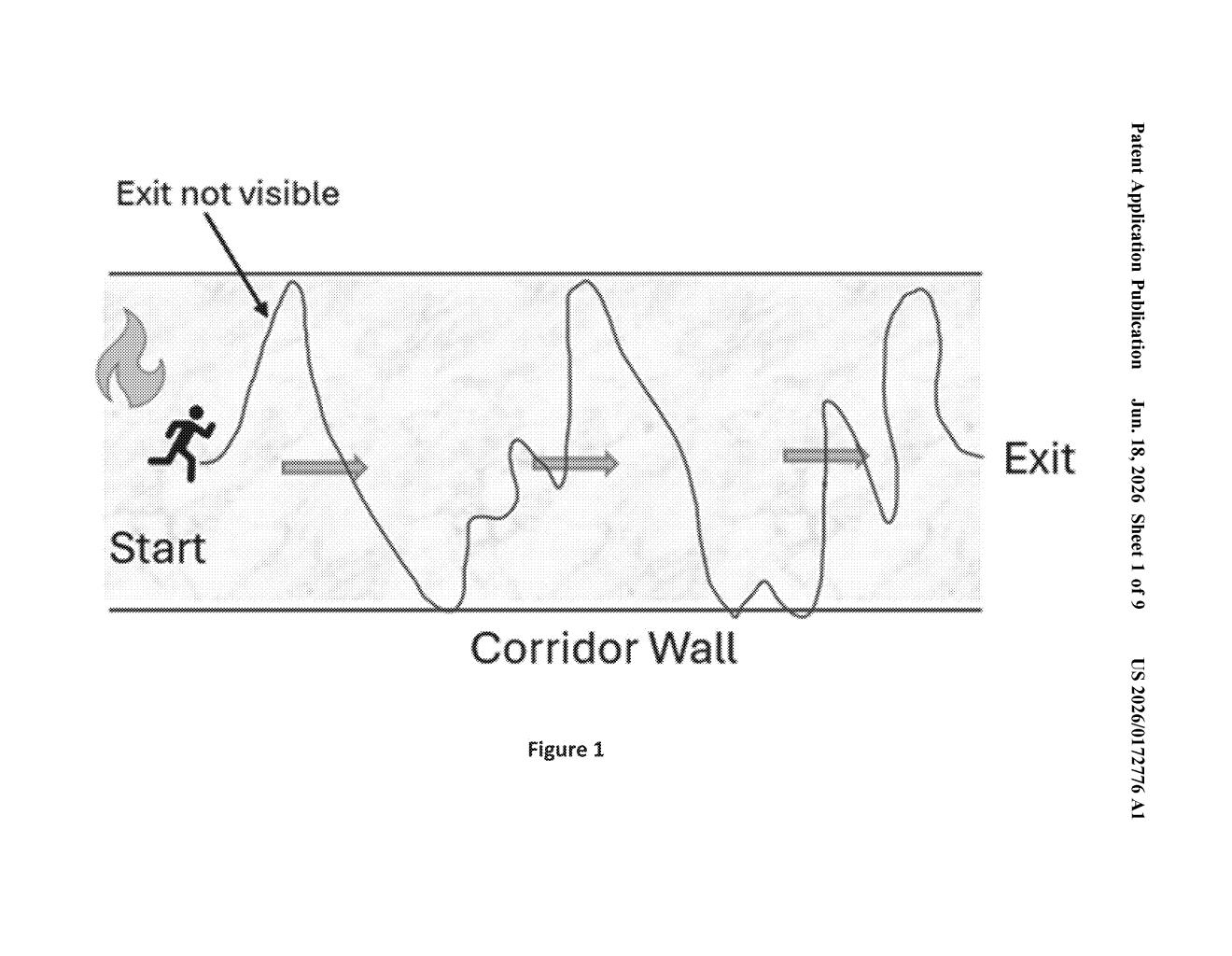
How Intel's audio-based location system works for you
Imagine you're wandering a large airport terminal or a multi-level shopping mall and your phone's navigation just gives up — GPS signals are too weak indoors to be useful. Intel's patent describes a different approach: instead of looking up at satellites, your device listens to audio signals being broadcast nearby, then uses those signals to figure out where you are relative to the transmitter.
Think of it like how a radio station's signal gets stronger the closer you drive to its tower. A device running this system could compare the strength, timing, or character of a received audio broadcast to work out your approximate position — no satellites needed.
The patent is light on specifics about which audio broadcasts it targets, but the core idea is that existing broadcast infrastructure — speakers, transmitters already in a building — could double as location beacons without requiring a brand-new network of hardware.
How broadcast audio signals become a location fix
The patent describes an electronic device equipped with memory to store incoming broadcast audio signals and processors that analyze those stored signals to determine the device's position relative to the broadcast transmitter.
The key steps the system performs are:
- Receive and store one or more audio broadcast signals from a nearby transmitter
- Analyze those signals to identify the device's location — likely using signal strength, time-of-arrival, or acoustic fingerprinting (matching the audio pattern against a known map of what the signal sounds like at different distances or angles)
- Output a location indication — some kind of position estimate the device or an app can act on
The patent doesn't lock in a single detection method, which is intentional — it keeps the claims broad enough to cover several audio-analysis techniques. What's notable is that the system relies on broadcast signals, meaning transmitters that are already broadcasting audio for other purposes (think PA systems or in-store speakers) could theoretically serve double duty as positioning anchors.
The claim covers the hardware side — memory plus processors — making it an apparatus patent rather than a pure method patent, which gives Intel flexibility in how it might license or implement the idea.
What this means for GPS-dead zones like malls and airports
Indoor positioning is a long-unsolved problem. Bluetooth beacons, Wi-Fi triangulation, and ultra-wideband chips all exist, but they require dedicated hardware installations that building owners have to pay for and maintain. If existing audio broadcast infrastructure can serve as a positioning system, that's a meaningful reduction in deployment cost — which is often the real barrier to widespread indoor navigation.
For you as a user, better indoor location means more reliable turn-by-turn directions inside large venues, faster wayfinding in hospitals or convention centers, and location-aware services that actually work when you step through the front door. Whether Intel is building this toward a chip feature, a software platform, or a licensing play isn't clear from the patent alone — but the underlying problem it's attacking is real and commercially valuable.
This is a solid incremental idea — repurposing broadcast audio for positioning is genuinely clever because it sidesteps the hardware-installation problem that kills most indoor-nav rollouts. That said, the patent is written very broadly and doesn't detail how accurate the positioning actually is, which is the make-or-break question for any real-world deployment. Worth watching, but don't expect this to replace dedicated indoor positioning systems anytime soon.
There are more where this came from
We read every patent application Big Tech publishes and send you the ones worth knowing. Plain English, free, every week.
Want this weekly breakdown for a company we don't cover? Patentlyze Pro →