
Intel Patents a System for Managing AI Decision Models Inside 5G Networks
Running AI inside a live cellular network isn't the hard part — knowing whether that AI is still doing its job well is. Intel has filed a patent for a system that monitors and manages the entire lifespan of an AI decision-making model operating inside a 5G network.
What Intel's 5G AI model management actually does
Imagine a traffic-routing AI running inside your mobile carrier's network. It learns on the job — adjusting how it directs data based on what works and what doesn't. But what happens when the network conditions change and the AI's decisions start getting worse? Without some kind of oversight system, no one might notice until users start dropping calls.
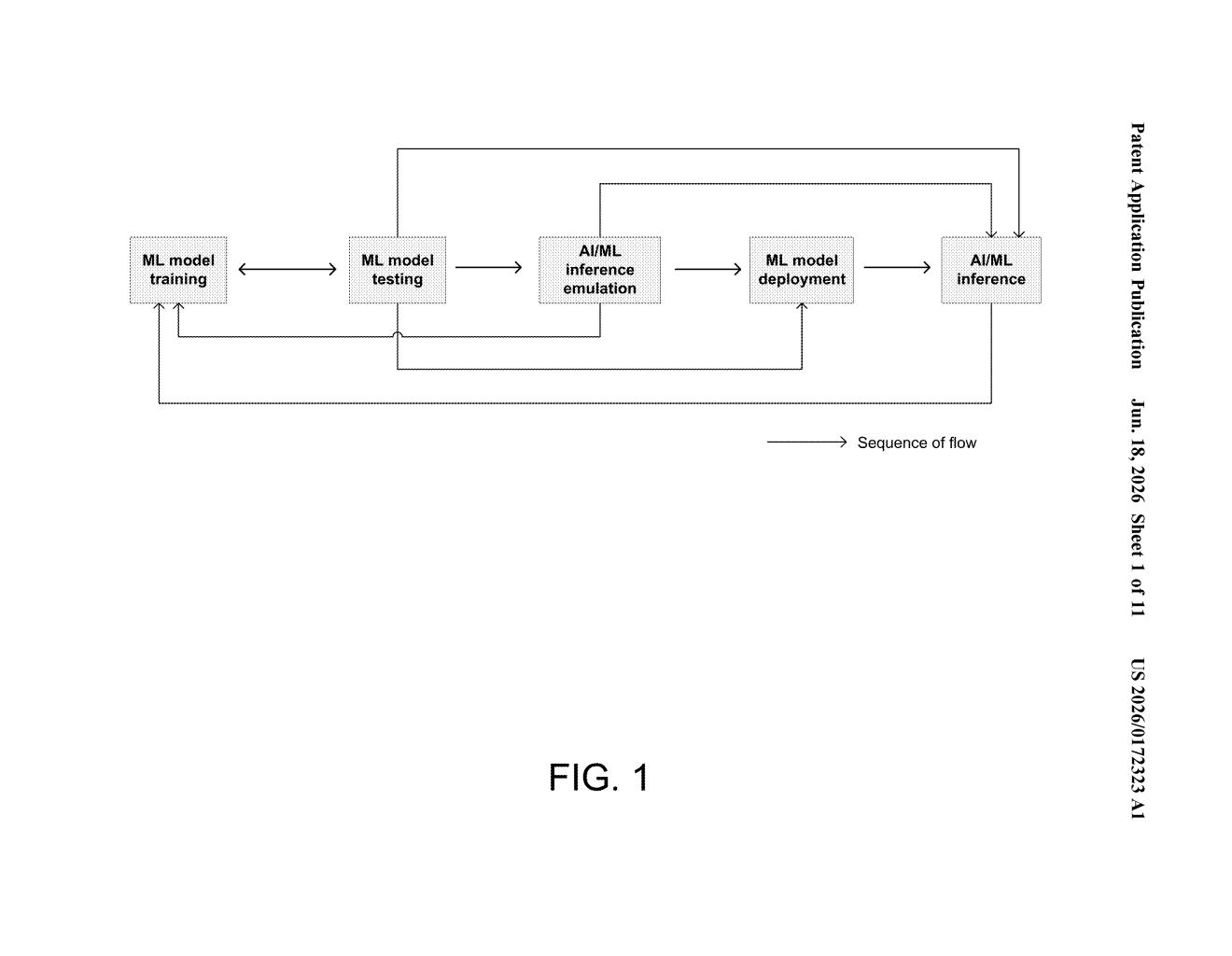
Intel's patent describes a management layer that watches over these AI models from birth to retirement. It tracks when a model is deployed, when it's switched on, how it changes over time, what decisions it makes, and whether those decisions are paying off. Think of it like a flight recorder, except for AI running inside a cell tower.
The system lets other parts of the network — the "consumers" in Intel's language — request status updates and performance reports. That means a carrier could automatically detect a struggling AI model and swap it out or retrain it, without a human engineer having to dig through logs manually.
How the RL lifecycle manager tracks model state
The patent describes an apparatus that acts as a management service producer — essentially a supervisor — for AI models that use reinforcement learning (RL). RL is a style of AI training where a model learns by trial and error, receiving "rewards" for good decisions and penalties for bad ones, similar to how a dog learns tricks.
Inside a 5G network, these RL models might be making decisions about how to allocate radio spectrum, route traffic, or optimize energy use. Intel's system manages those models across their full lifecycle, tracking:
- Training: how the AI model is being taught
- Inference: how the trained model makes live decisions
- Environment state: the network conditions the AI is reacting to
- Actions and rewards: what decisions the AI made and whether they were good ones
- Deployment and activation: when the model goes live and what state it's in
Other components in the network can send management service requests — essentially asking "how is this AI doing?" — and receive back structured performance data. The system then reports results including model statistics and details about the environment the AI is operating in.
What this means for AI running inside mobile networks
Carriers and network equipment vendors are increasingly betting that AI will handle real-time decisions inside 5G infrastructure — spectrum sharing, load balancing, interference management. But deploying an AI model is only step one. Keeping it healthy as real-world conditions shift is the unsolved part. Intel's patent goes after that gap with a formal management interface baked into the 5G system architecture.
If this kind of lifecycle management gets standardized — and Intel is clearly positioning it for 3GPP-style adoption given the 5G framing — it could become the plumbing that makes self-optimizing networks practical rather than theoretical. For you as a mobile subscriber, that's the difference between a network that quietly degrades and one that fixes itself.
This is deeply unglamorous infrastructure work, but it's the kind of patent that actually matters. AI running inside live networks without proper oversight is a known industry problem, and Intel is staking out a formal management interface before 5G-native AI becomes standard. The dry language hides a genuinely important gap it's trying to fill.
There are more where this came from
We read every patent application Big Tech publishes and send you the ones worth knowing. Plain English, free, every week.
Want this weekly breakdown for a company we don't cover? Patentlyze Pro →