
New Samsung Patent Cuts the Wait for 5G Phones Saving Battery to Receive Messages
Your phone spends most of its life in a low-power doze, waiting to be told something matters. Samsung's new patent targets the awkward gap between that first nudge and when the phone actually receives the message.
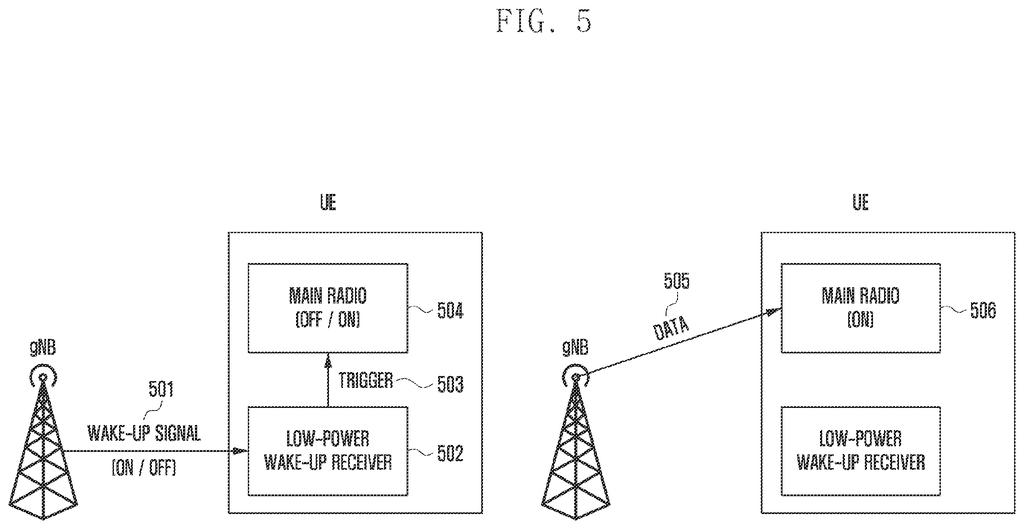
How Samsung wants phones to wake up faster on 5G
Imagine your phone has a tiny always-on ear that listens for incoming calls or texts while the rest of the phone sleeps. When that ear hears something, it wakes the main radio up so your phone can receive the actual message. The problem is that waking up the main radio takes time, and right now there's no tight limit on how long that whole handoff can take.
Samsung's patent sets a strict window: once that small "wake-up receiver" picks up a signal from the cell tower, the phone's full radio must receive the actual notification within a defined number of tries. Think of it like a relay race where the baton hand-off now has a hard deadline.
This matters most for next-generation 5G and 6G networks, where devices are expected to be both low-power and responsive. Tightening that window means your phone wastes less time in limbo between sleep and actually receiving a message.
How the wake-up receiver triggers the main radio
The patent describes a two-radio architecture inside a mobile device. The first is a wake-up receiver (WUR), a tiny, extremely low-power radio that stays on constantly, listening for a specific trigger signal from the cell tower. The second is the main radio (MR), the full-power cellular modem that handles real data but burns too much energy to stay on all the time.
The cell tower sends a wake-up signal (WUS) to alert the device that a paging message (essentially a "hey, something is trying to reach you" notification) is on its way. Today, there is no standardized cap on how many chances the main radio gets to receive that follow-up message before the process is considered failed or delayed.
Samsung's approach introduces a parameter called K3, which defines a maximum number of consecutive paging occasions (POs), meaning scheduled time slots when the tower will broadcast the message, within which the main radio must successfully receive the page. If K3 is set to, say, three, the phone has three back-to-back windows to catch the message before the delay is flagged as excessive.
The base station communicates the K3 value to the device in advance, so both sides are synchronized on the timing expectations. This coordination is what closes the gap.
What this means for 5G and 6G battery-life design
Battery life in 5G devices depends heavily on how efficiently a phone can sleep and wake. If the handoff from the wake-up receiver to the main radio takes too long, the phone either misses messages or has to keep the main radio on longer than necessary, draining the battery. A defined K3 window gives network designers a concrete knob to tune, balancing responsiveness against power consumption.
For consumers, this is the kind of invisible plumbing that determines whether your phone catches a call on the first ring or seems sluggish. As Samsung pushes deeper into 5G and early 6G standardization, patents like this one help establish the baseline rules that chipmakers and carriers will eventually have to follow.
This is unglamorous standards work, but it's the kind of patent that can lock in real influence. Whoever gets K3-style parameters into 5G and 6G specs shapes how every phone maker handles the sleep-wake cycle. Samsung filing this now suggests it's actively lobbying the standard, not just engineering a product feature.
There are more where this came from
We read every patent application Big Tech publishes and send you the ones worth knowing. Plain English, free, every week.
The drawings
19 drawing sheets from US 2026/0214581 A1 · click any drawing to enlarge


Want this weekly breakdown for a company we don't cover? Patentlyze Pro →
Be the first to weigh in