
New Patent Cuts Camera Lag in Self-Driving Cars
When a self-driving car's camera is even one frame behind on exposure, it can mean the difference between seeing a pedestrian clearly and seeing a blur. Waymo's latest patent targets exactly that gap.
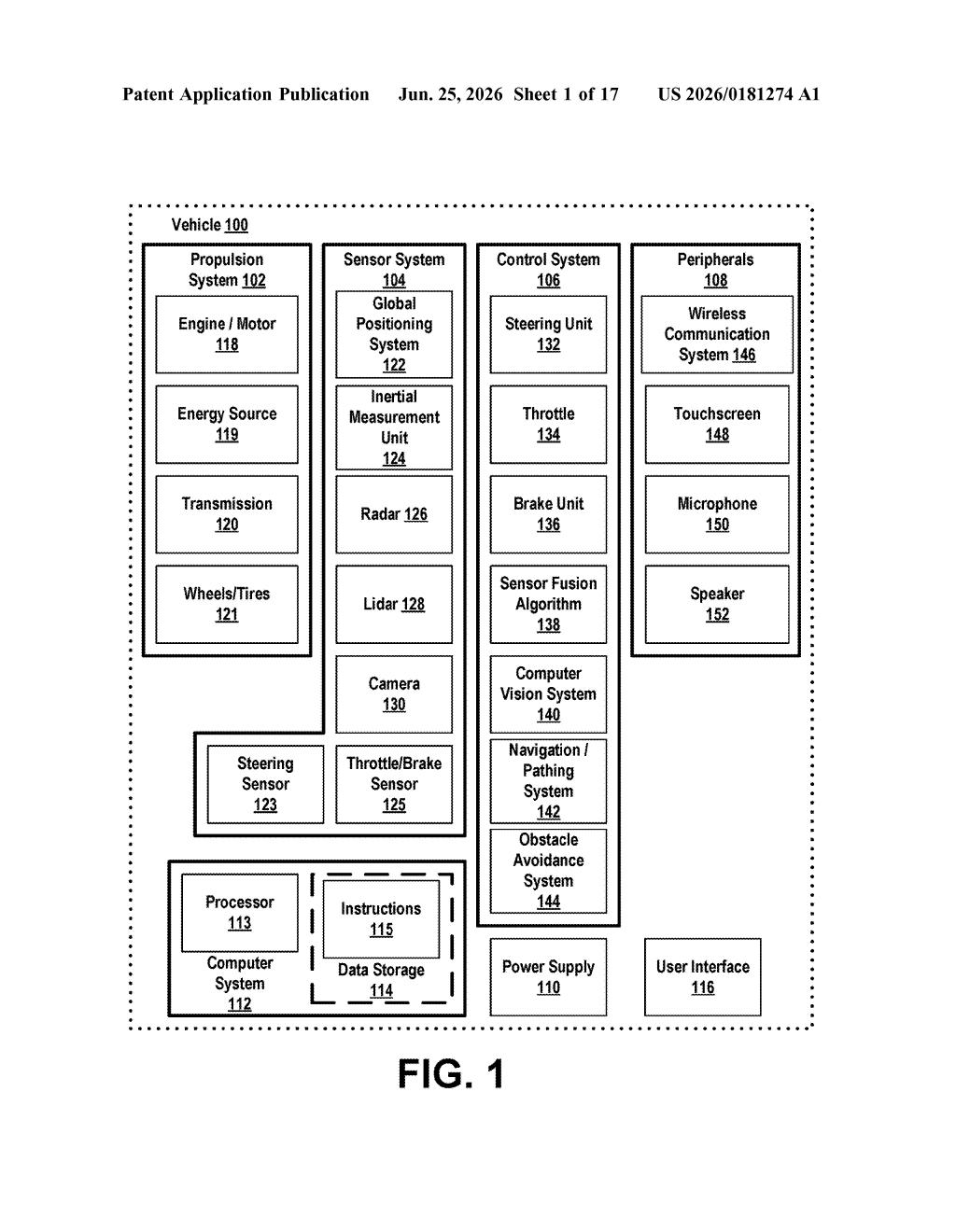
What Waymo's faster camera exposure actually does
Imagine driving out of a dark parking garage into bright sunlight. Your eyes adjust almost instantly, but a camera usually takes a moment to catch up, producing a washed-out or pitch-black frame right when you need a clear picture the most. For a self-driving car, that brief adjustment window is a real problem.
Waymo's patent describes a camera system that figures out the right exposure setting for a frame while that frame is already being captured, rather than waiting until after it is done and applying the correction to the next one. It does this by analyzing what the previous frame looked like and using that information right away.
The result is that the camera is always one step closer to the correct brightness, instead of constantly playing catch-up. In a vehicle that needs to identify stop signs, cyclists, and pedestrians at speed, shaving even a fraction of a second off that adjustment time could matter.
How the system calculates exposure within the same frame
Traditional auto-exposure on cameras works in a loop: capture a frame, analyze its brightness, then apply a corrected exposure setting to the next frame. That one-frame delay is called exposure latency, and in most consumer photography it is barely noticeable. In a car moving at highway speed, however, one missed or poorly exposed frame can mean objects go undetected.
Waymo's system breaks that loop by overlapping the two steps. The processor analyzes characteristics of the previous frame (brightness, contrast, highlight and shadow distribution) and calculates the new exposure setting during the current frame's capture window, not after it. That means the corrected setting is applied to the current frame in real time rather than being deferred to the next one.
Key components described in the patent include:
- An image sensor that performs the exposure operation based on whatever setting the processor has calculated for that specific frame period
- A processor that runs the exposure calculation concurrently with the ongoing capture, not sequentially after it
- A timing architecture that ties the calculation window directly to the frame period, ensuring the math finishes before the shutter closes
The net effect is a tighter feedback loop. Instead of the camera always being one frame behind, it is correcting in the same moment it is shooting.
What this means for self-driving safety in tricky lighting
Self-driving vehicles rely on cameras to detect objects in conditions that change rapidly: tunnels, oncoming headlights, shadows cast by overpasses, and the transition from shade to direct sun. Any camera that takes an extra frame to adapt is producing at least one image that may be too bright or too dark to process reliably. At 60 mph, a single 30fps frame represents about three feet of travel.
Waymo's approach addresses a known weakness in camera-based perception systems without requiring better hardware. If this method can be applied to the cameras already mounted on Waymo's vehicles, it could improve object detection in exactly the high-contrast lighting scenarios where autonomous driving is most difficult, and where a missed detection is most costly.
This is a focused, practical engineering patent rather than a conceptual swing. Exposure latency is a real and documented limitation of camera-based perception, and solving it in software rather than hardware is exactly the kind of incremental work that adds up in a production autonomous vehicle program. It is not flashy, but Waymo is one of the few companies actually running robotaxis at scale, which gives even unglamorous patents like this one real operational weight.
There are more where this came from
We read every patent application Big Tech publishes and send you the ones worth knowing. Plain English, free, every week.
Want this weekly breakdown for a company we don't cover? Patentlyze Pro →