
Google Patent Reveals AI Health Assistant With Real-Time Wearable Data Access
Your smartwatch collects hundreds of data points a day, but your AI assistant can't read any of them. Google's latest patent describes a system that changes that by translating raw health sensor data into a format a large language model can actually understand and answer questions about.
What Google's health data pipeline actually does for you
Imagine asking an AI, "Has my resting heart rate been higher than usual this week?" Right now, your AI assistant and your fitness tracker live in completely separate worlds. The AI doesn't speak the language of raw sensor data, and your wearable doesn't know how to talk to a chatbot. That gap is exactly what this patent addresses.
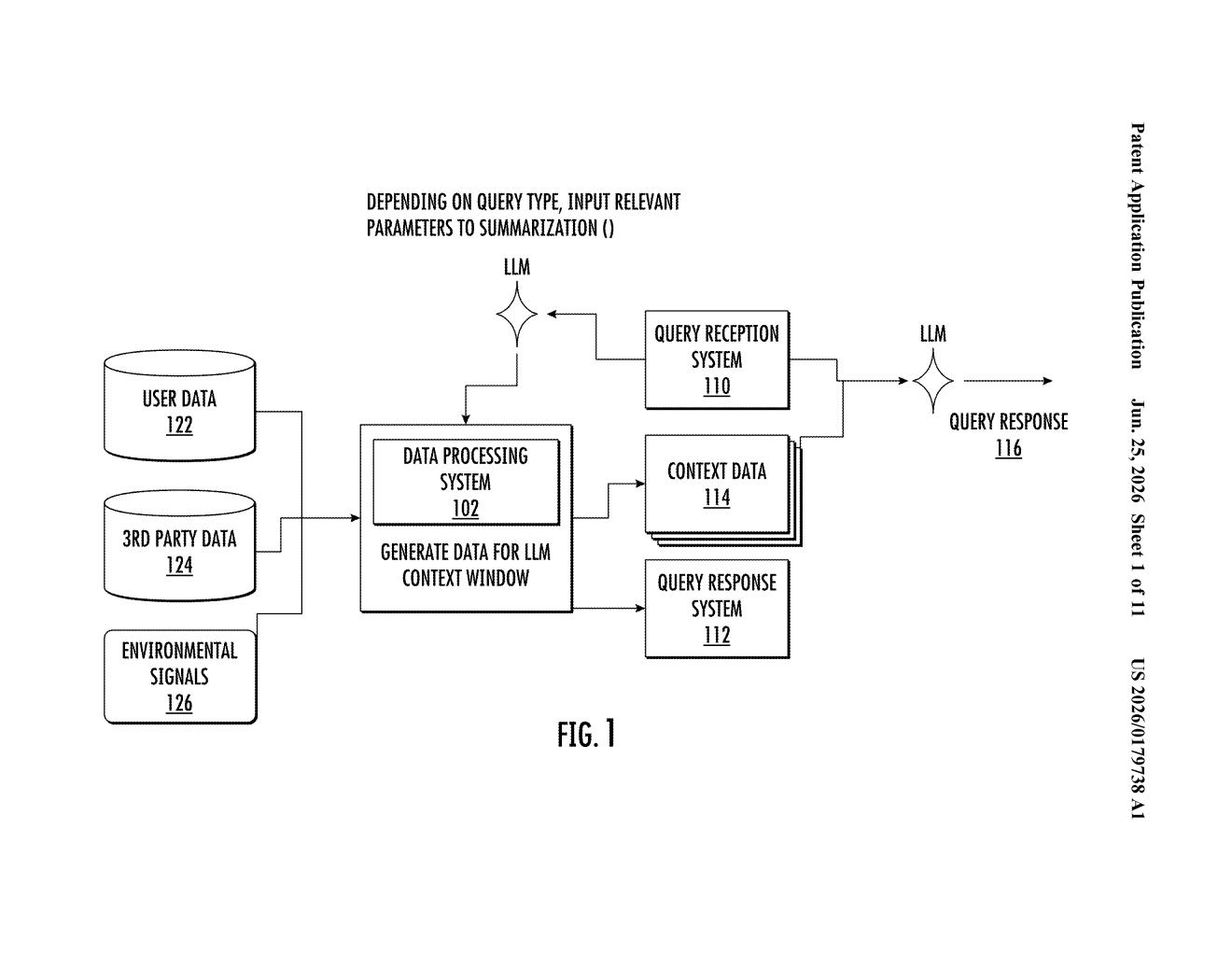
Google's proposed system acts as a translator in the middle. It pulls in health data from multiple sources, like wearables, health apps, or medical records, and converts all of it into a single standardized form that an AI model can read. When you ask a health question, the AI gets your question and your health data at the same time, so it can give you a personalized answer instead of a generic one.
The end result is an AI health assistant that knows your numbers, not just general health information. You ask, the system bundles your real data with your question, the AI reads both, and you get an answer that's actually about you.
How the system converts sensor data for the AI to read
The patent describes a multi-stage pipeline with three main jobs.
- Data collection: The system gathers health data from multiple sources simultaneously. The patent specifically calls out sensor data, meaning readings from wearable devices like heart rate monitors, step counters, or sleep trackers, but it also covers other health data formats.
- Standardization: A set of smaller, specialized AI models (called data standardization machine-learned models) each handle a different type of incoming data and convert it into one common format. Think of it like auto-translating several foreign-language documents into English before handing them all to a single reader.
- Query response: Once the data is standardized, the system bundles it together with the user's question and passes both into a large language model. The LLM then generates a response based on the combined input.
The key architectural choice here is the separation of concerns: one layer of AI handles the messy job of normalizing raw sensor data, and a separate AI handles the conversational question-answering. That division means each model can be trained and optimized for its specific task, rather than asking one model to do everything.
What this means for Google's AI health ambitions
Google already has significant investments in health data through products like Fitbit and Google Health. This patent points toward a future where Google's AI assistant (Gemini, most likely) could answer genuinely personalized health questions using your real biometric history, not just textbook information. That's a meaningful step beyond what current AI chatbots can do with health topics.
There's an obvious privacy dimension here too. Feeding personal health data into an AI pipeline raises real questions about where that data lives, who can see it, and how it's used. The patent is silent on those questions, as patents typically are. But if this kind of system ever ships in a consumer product, the data-handling story will matter just as much as the technical one.
This is a foundational infrastructure patent, not a flashy consumer feature, but it's worth paying attention to. Google is one of the few companies that has both the AI capabilities (Gemini) and the health hardware footprint (Fitbit) to actually build this system end-to-end. The pipeline it describes is genuinely useful and not trivially obvious, which makes this a more interesting filing than the average AI-plus-data patent.
There are more where this came from
We read every patent application Big Tech publishes and send you the ones worth knowing. Plain English, free, every week.
Want this weekly breakdown for a company we don't cover? Patentlyze Pro →