
Microsoft Patents an AI That Pauses Your Podcast to Answer Your Questions
You're listening to a podcast about economics and the host mentions 'quantitative easing.' Instead of pausing to Google it, you just ask out loud, and the app answers you in a spoken voice, then resumes the episode right where it stopped.
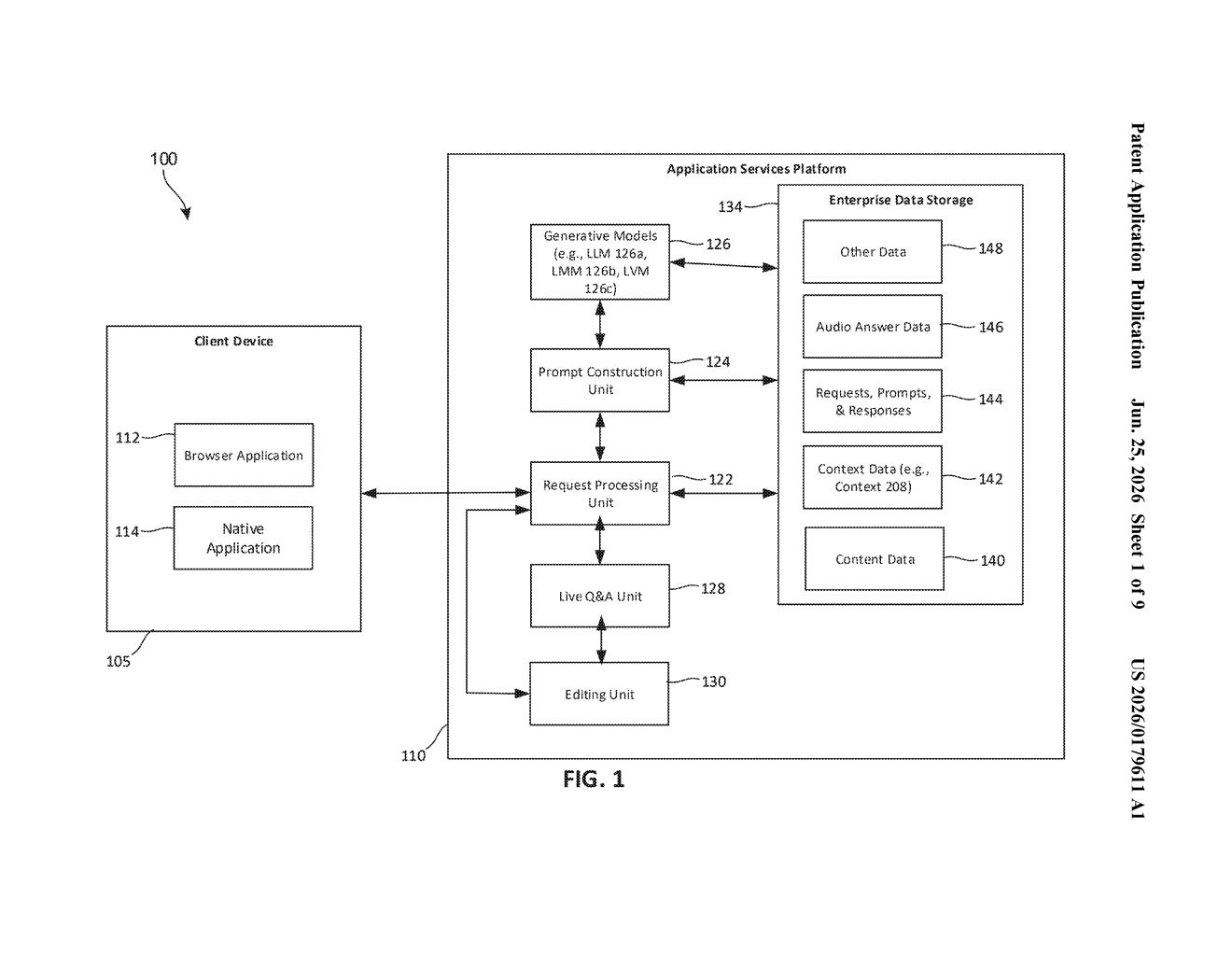
What Microsoft's audio Q&A system actually does
Imagine you're halfway through a long podcast episode and the speaker references something you've never heard of. Right now, your options are to pause, open a browser, search, read, then try to find your place again. Microsoft's new patent describes a system that does all of that automatically, without you ever leaving the audio.
The way it works: you just speak your question out loud while the audio is playing. The app hears you, pauses the episode, figures out what you're asking, and generates a spoken answer based on both your question and everything the podcast has covered up to that point. Then it resumes the episode.
The system is context-aware, meaning it doesn't just look up your question in isolation. It uses what's already been said in the episode to shape its answer, so if you ask "what does that mean?" it actually knows what "that" refers to.
How the system captures, answers, and resumes playback
The patent describes a pipeline with several connected steps that trigger automatically when you speak during playback.
- Query capture: A microphone on the device picks up your spoken question while the audio content is playing.
- Speech recognition: The system converts your spoken words into text using standard speech-to-text transcription.
- Contextual answer generation: A generative AI model (think a large language model similar to GPT) receives your transcribed question alongside a transcript of the audio portion currently playing and everything that played before it. It generates a text answer grounded in that context.
- Voice synthesis: The text answer is converted back into spoken audio using a text-to-speech engine, so the response sounds like a natural audio reply.
- Playback control: The system pauses the episode when it detects your question and automatically resumes it after the answer finishes playing.
The key technical detail is that the AI's answer is built from both your query and the accumulated audio content already played, not just a generic knowledge base. That's what the patent frames as the "contextual" piece.
What this could mean for podcasts and audio learning
Podcasts and audio courses are popular precisely because you can consume them hands-free, but they've always had a blind spot: the moment you need to look something up, you have to stop and switch to a completely different context. This patent points toward a product that keeps you inside the audio experience even when you have questions.
The practical users here are anyone who listens to educational audio, news briefings, or dense interview-style podcasts where unfamiliar terms come up regularly. If Microsoft ships something like this inside an app like Spotify, Apple Podcasts, or its own Copilot ecosystem, it could change how people think about passive vs. interactive audio entirely.
This is a genuinely useful idea that solves a real friction point in how people consume audio content. The contextual grounding angle (using the episode's own content to inform the answer) is the part that makes it more than a voice-search shortcut. Whether it ships as a standalone feature or gets folded into a Copilot-adjacent product, the core concept is clear and practical enough to build.
There are more where this came from
We read every patent application Big Tech publishes and send you the ones worth knowing. Plain English, free, every week.
Want this weekly breakdown for a company we don't cover? Patentlyze Pro →