
Microsoft Patent Tricks Software Into Thinking It’s Running on a Private Network
Testing software that was built for a private, locked-down network is a genuine headache when your test environment runs on public cloud infrastructure. Microsoft's new patent describes a way to fake the private network experience without leaving the public cloud.
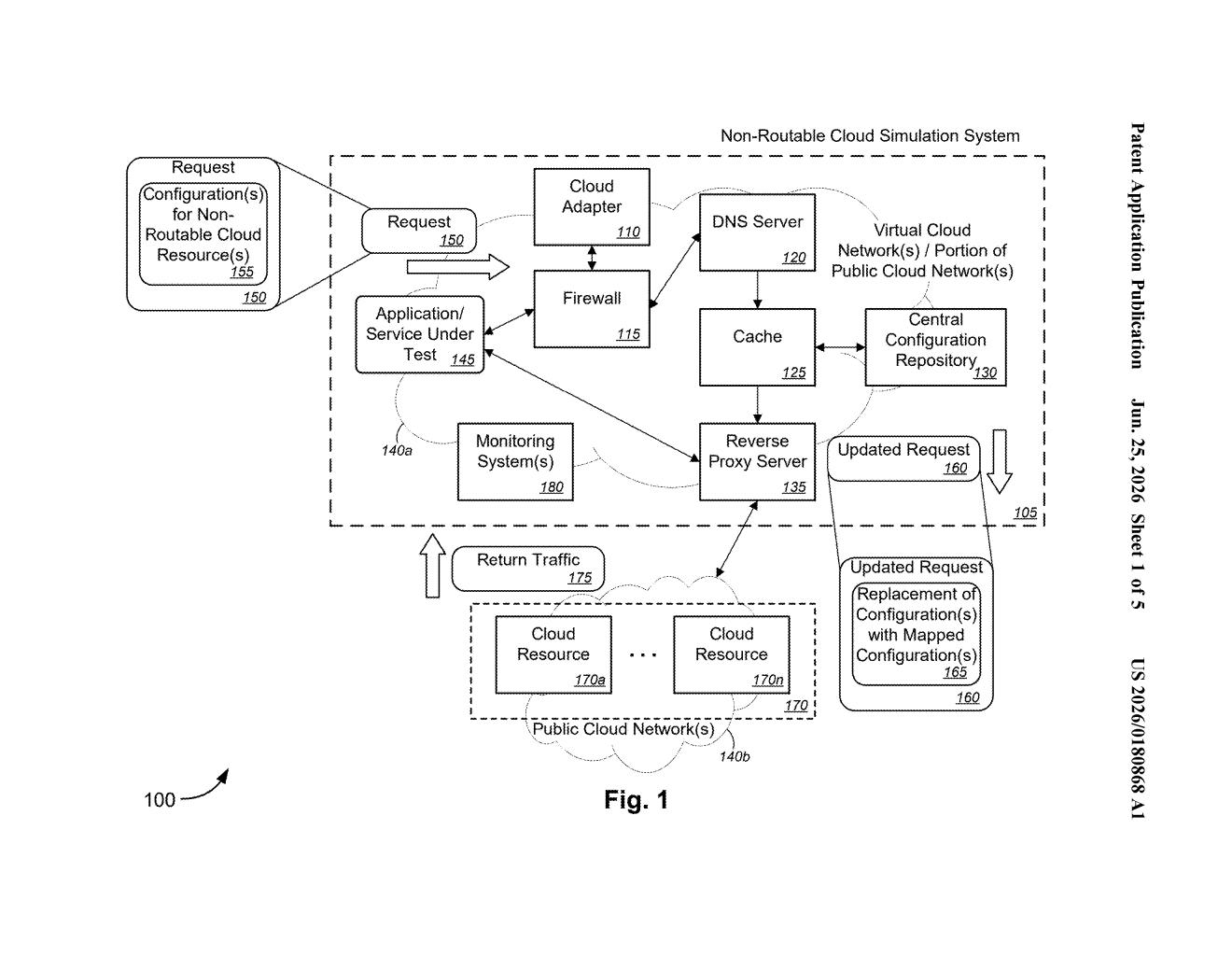
What Microsoft's cloud simulation system actually does
Imagine you wrote a piece of software for a company's internal, locked-down computer network. That software has addresses and settings baked into it that only make sense inside that private network. Now your team wants to test it on a rented server out on the open internet. The addresses don't match, connections fail, and everything breaks.
Microsoft's patent describes a system that pretends to be that private network for the software being tested. It intercepts the software's requests swaps the private addresses for real public-cloud ones, and routes the traffic to the right place. The software never notices it left the private network.
The upside is that your team can run realistic tests on public cloud servers without rewriting the software or maintaining a separate private testing environment. It's essentially a translation layer that sits invisibly between the software and the real internet.
How the DNS intercept and proxy redirect work together
The system carves out a section of a public cloud network and makes it behave like a non-routable cloud (a private network with internal addresses that don't work on the open internet). Three components work together inside that simulated zone.
- DNS server: DNS (the system that translates names like 'myserver.internal' into numeric addresses) is configured to intercept all outbound traffic from the software under test. Nothing leaves the simulated zone without going through this server first.
- Central configuration repository: This is a lookup table that maps private, internal addresses to their real public-cloud equivalents. When the DNS server sees a request for a private resource, the repository tells it where the real counterpart lives on the public cloud.
- Reverse proxy server: This component actually forwards the translated request to the real public-cloud resource, then carries the response back to the software under test. The software sees a clean round trip as if it were on its home network.
The result is that software written with hardcoded private-network addresses can run and be tested on standard public cloud infrastructure with no changes to the software itself.
What this means for cloud software testing and migration
For companies moving legacy software from private data centers to the cloud, testing is one of the most expensive and time-consuming steps. Right now, teams often have to either maintain a separate private test environment (costly) or modify the software before they can test it (risky). This patent describes a way to skip both of those options by making the public cloud impersonate the private one.
For you as an end user, this kind of infrastructure work is invisible, but it tends to speed up how quickly enterprise software gets updated and moved to the cloud. Faster migration pipelines generally mean fewer legacy systems running old, unpatched code in production.
This is unglamorous plumbing work, but it solves a real, expensive problem that every large enterprise faces when migrating software to the cloud. Microsoft's Azure business is built on making that migration as painless as possible, so this fits a clear strategic pattern. Don't expect a press release, but do expect something like this to show up in Azure's developer tooling.
There are more where this came from
We read every patent application Big Tech publishes and send you the ones worth knowing. Plain English, free, every week.
Want this weekly breakdown for a company we don't cover? Patentlyze Pro →