
Meta Patent Targets Deepfake Audio Fraud With Voice Watermarking Technology
Deepfake audio is getting harder to spot by ear, so Meta is filing patents to fight it at a level you never see: the audio code itself, before a recording ever goes online.
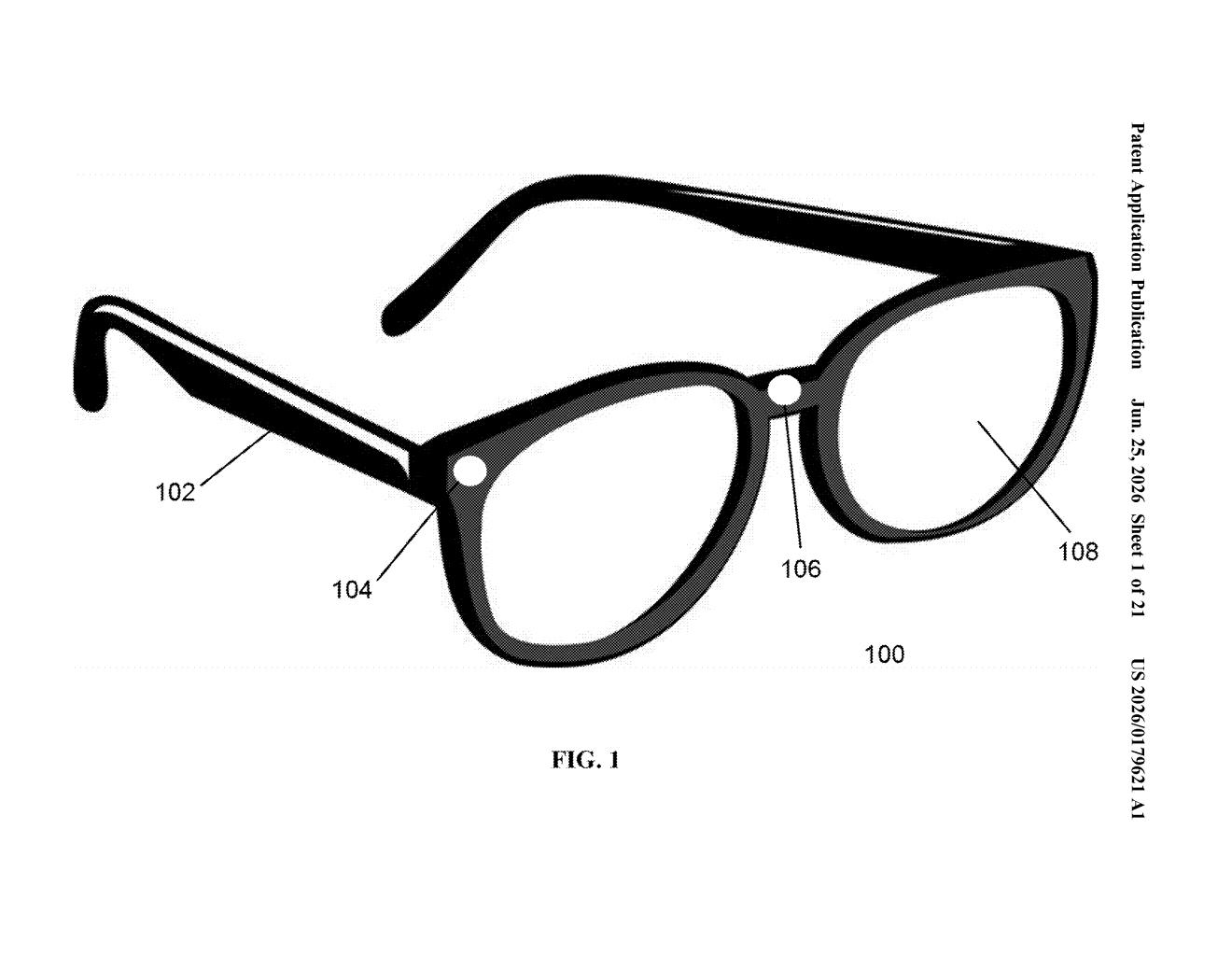
How Meta's audio watermark fights fake voices
Imagine a politician gives a speech and someone creates a fake audio clip that sounds exactly like them saying something they never said. Today, most platforms have no reliable way to tell the real recording from the fake.
Meta's patent describes a hardware device, think of it like a physical security key, that works with a microphone to invisibly embed a kind of digital signature into audio as it's being recorded. That signature is tied to the speaker's verified identity, similar to how a wax seal was once tied to a specific person's ring.
When the audio is published to a social platform, podcast service, or news site, a server can check that signature and display a verified badge next to the content, or flag content where the signature is missing or wrong. The goal is to catch AI-generated voice fakes before they spread, not after.
How the hardware key encodes and verifies audio
The system has three core pieces working together:
- A hardware key (the physical device): contains sensors and a speaker that outputs a special audio code during recording.
- Public and private key pairs: borrowed from the same cryptographic logic used in secure email or Bitcoin wallets. The private key stays on your device; the public key goes to a verification server. Together they prove the audio originated from a registered device tied to a real identity.
- Identifiers embedded in the audio code: these act as a watermark baked into the underlying audio signal, not the audible recording itself, making it detectable by a server but invisible to a listener.
When a recording is finalized, the processors on the device encode those identifiers into the audio code. A downstream server, operated by a platform like a social network or podcast host, reads those identifiers and matches them against registered public keys.
If the match is valid, the platform can display a verification badge. If the audio was cloned or synthesized by an AI without access to the original hardware key, the identifier will be absent or invalid, flagging the content as unverified.
What this means for deepfakes on social platforms
Deepfake audio is already being used to spread political misinformation, impersonate executives in financial fraud, and clone celebrities without consent. Current detection tools work after the fact and are often inaccurate. A hardware-level signing system would shift the burden: instead of trying to detect fakes, platforms could simply require verified audio and treat anything unverified as unconfirmed.
For public figures, journalists, or anyone whose voice carries authority, a system like this could become as routine as a verified checkmark on social media. For you as a listener, it means a platform could tell you, before you share something, whether the voice in a clip has been verified at the hardware level or not.
This is one of the more practical deepfake-defense ideas to show up in a patent filing. The hardware-key approach mirrors what already works in cybersecurity for account login, so the underlying logic is sound. The hard part is adoption: it only works if platforms require it and enough people carry the device. Meta filing this suggests it's thinking about verification infrastructure for its own platforms, which would be the distribution channel that actually makes it useful.
There are more where this came from
We read every patent application Big Tech publishes and send you the ones worth knowing. Plain English, free, every week.
Want this weekly breakdown for a company we don't cover? Patentlyze Pro →