
Meta Patents a System That Spends More Computing Power on Ads for Active Users
Meta wants to stop wasting computing power ranking elaborate, targeted ads for users who barely open the app. A new patent describes a system that first scores how active you are, then decides how much effort to spend picking the ads you see.
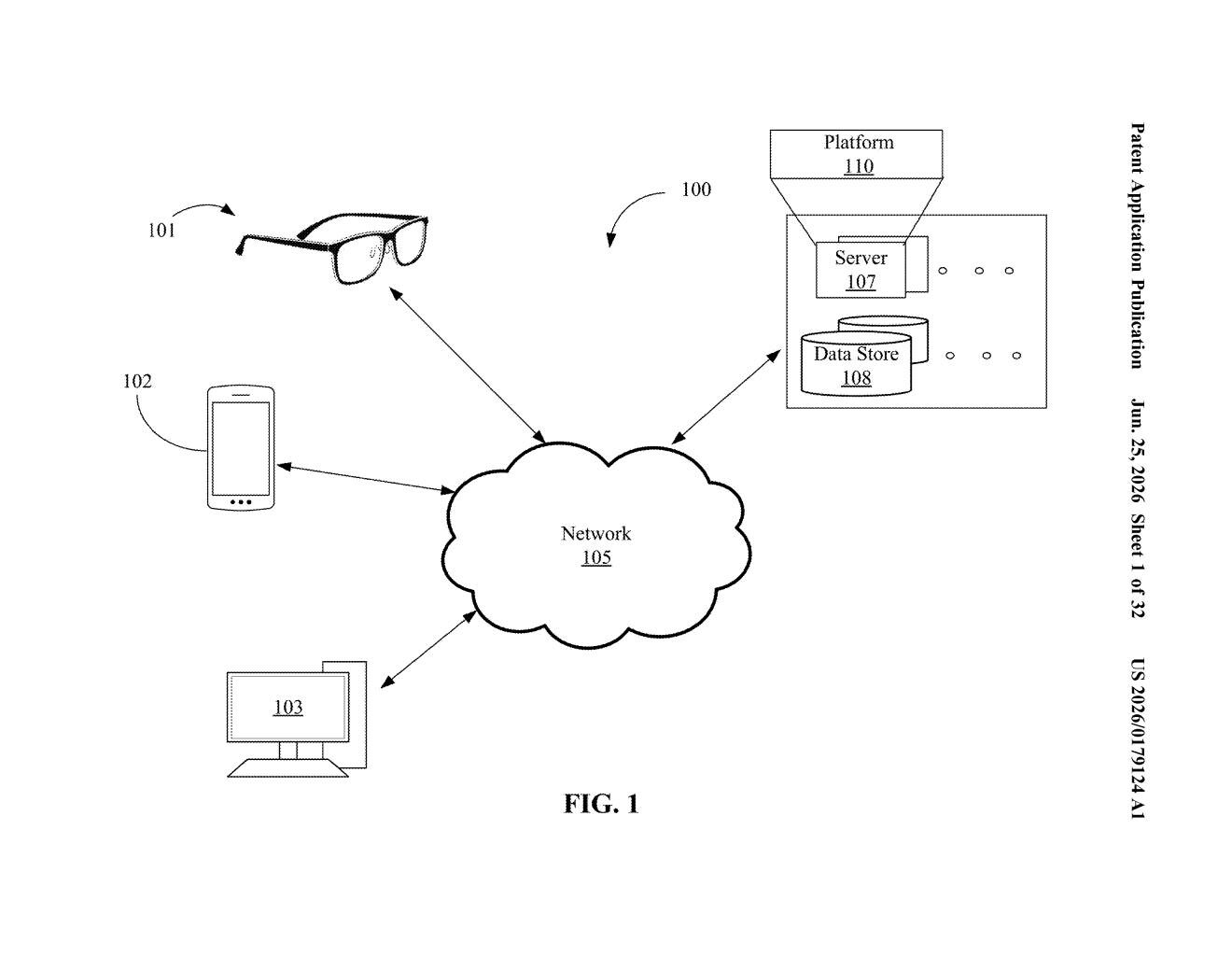
How Meta scores your activity to decide your ad budget
Imagine a restaurant that puts its best chef on busy Friday nights but keeps a simpler crew on slow Tuesday lunches. Meta's new patent works the same way, only the "chef" is a bank of servers, and the "customer" is you scrolling through your feed.
Meta's system watches how often you interact with a platform over a set window of time and turns that behavior into a single number called an online presence score. If your score is high, meaning you are an active, engaged user, the system throws more computing power at ranking and personalizing the ads you see. If your score is low, fewer resources go into that process, and you get a lighter, cheaper selection of ads.
The practical effect is that Meta's ad servers act more like a dynamic staffing chart than a fixed machine. Highly active users get the full treatment; occasional or lapsed users get a leaner version. It is a cost-optimization play dressed up in ad-tech language.
How the online presence score controls server resources
The patent describes a pipeline that starts by collecting user interaction data (clicks, views, scrolls, time spent) over a defined period. That data feeds into a formula that produces an online presence score for each user.
The score is then mapped against a set of intervals (think of them as buckets or thresholds). A score landing in the first interval, representing a more active user, tells the system to allocate more processing resources to ranking ads for that person. A score in the second interval, representing a less active user, signals the system to use fewer resources.
The key technical insight is that ad ranking is not free. Running a sophisticated ranking model over thousands of candidate ads requires real CPU and memory cycles. By throttling that compute spend based on how likely a given user is to actually engage with an ad, Meta can:
- Cut infrastructure costs on users who rarely convert
- Concentrate expensive ranking models on high-value, active users
- Dynamically adjust allocation as user behavior changes over time
The title also references augmented reality and mixed reality depth stabilization and time-based ad insertion, suggesting this filing bundles several related ad-delivery ideas, but the core independent claim is squarely about the activity-score-driven resource allocation piece.
Why ad-tech companies should pay attention to this filing
For Meta, ad ranking at scale is one of the most computationally expensive things it does. A system that intelligently dials compute up or down based on user activity could translate into meaningful infrastructure savings across billions of daily users. That is not a minor operational detail; it touches the economics of every ad impression Meta serves.
For you as a user, the implication is subtler: if you go quiet on Instagram or Facebook for a stretch, the algorithm may invest less effort in personalizing your ads. When you come back and start engaging again, the full targeting machinery kicks back in. It is a feedback loop that makes your activity itself a resource-allocation signal, not just a targeting input.
This is infrastructure cost-cutting disguised as an ad-tech patent, and that is not a criticism. At Meta's scale, shaving server cycles on low-engagement users is worth real money. The patent is not about making ads better for you; it is about making ad delivery cheaper for Meta. Worth tracking if you follow ad-tech economics or cloud infrastructure spending.
There are more where this came from
We read every patent application Big Tech publishes and send you the ones worth knowing. Plain English, free, every week.
Want this weekly breakdown for a company we don't cover? Patentlyze Pro →