
Meta Patents Technology That Stops Virtual Hands Passing Through AR Buttons
Anyone who has used a VR or AR headset knows the weird moment when your virtual hand phases right through the button you're trying to press. Meta's latest patent is a direct attempt to fix that.
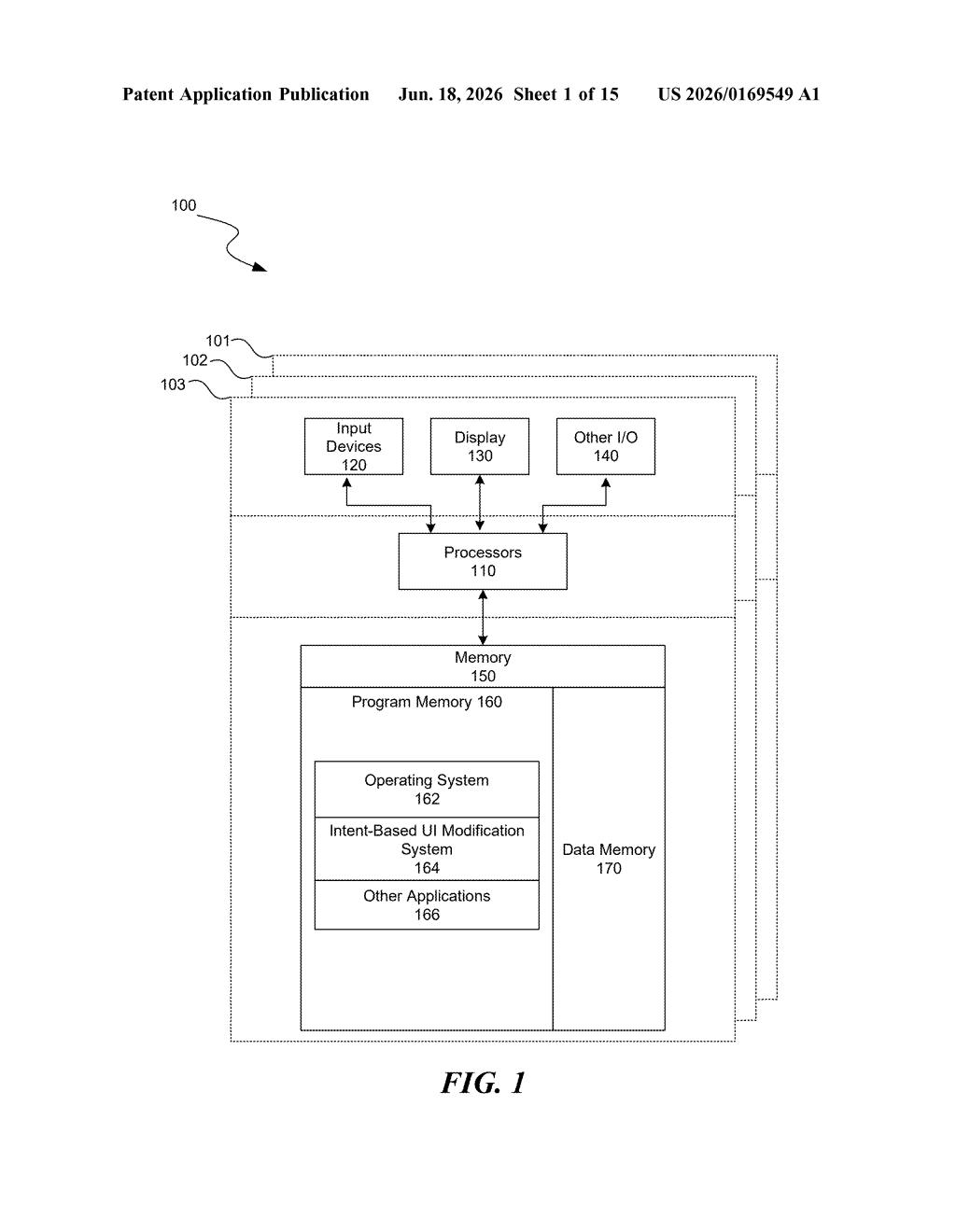
What Meta's virtual hand 'locking' actually does
Imagine you're wearing a mixed-reality headset and you reach out to tap a virtual button floating in front of you. Right now, the system just mirrors your real hand as a digital copy — so if your real finger pushes past where the button should be, the virtual hand awkwardly passes straight through it. It looks broken and feels wrong.
Meta's patent describes a smarter handoff. When the system detects that you intend to press something — based on your hand's direction or how close it is — it breaks the one-to-one mirror. Your virtual hand stops chasing your real hand and instead locks onto the virtual button, compressing it the way a real button would compress. Meanwhile, a separate, ghost-like image of your actual hand continues to show where your fingers really are.
The result is that the button behaves like a physical object — it squishes, stops at the bottom, and doesn't let your hand clip through — while you can still see what your real fingers are doing. It also quietly limits how much wrist rotation the virtual hand shows, so the whole interaction looks natural and grounded rather than rubbery.
How the system detects intent and splits hand rendering
The patent describes a three-part system that kicks in the moment the AR headset decides the user is about to interact with a virtual object.
Step one — intent detection: The headset watches for either a directed gesture toward a virtual object or the physical hand coming within a threshold proximity of it. Crucially, the specific intent the first independent claim focuses on is a pressing motion — the system recognizes when the user is pushing toward a virtual button or panel.
Step two — compression and locking: As the press begins, the virtual hand is rendered as if it's physically compressing the object (think of pressing a soft key on a touchscreen). Once the virtual object hits its maximum compression — a simulated bottom-out point — the system decouples the virtual hand from the real hand's position entirely. The virtual hand stays locked to the compressed object even if the real hand pushes further past that point.
Step three — dual-layer rendering: With the virtual hand locked, the system simultaneously renders a second, separate representation of the real hand that continues tracking the user's actual fingers. The patent also describes limiting wrist-rotation display on the locked virtual hand, preventing visually jarring contortions while the hands are in disagreement about position.
What this means for Quest and future AR headsets
For anyone using Meta's Quest headsets or future AR glasses, this kind of detail is the difference between an interface that feels like a toy and one that feels like a real tool. The classic complaint about virtual interfaces is that touching things feels hollow — your hand passes through objects with no sense of physical consequence. Locking the virtual hand to a compressed button gives the interaction a tactile logic even without actual haptic feedback.
This also signals where Meta is investing engineering effort: not just in making the virtual world look good, but in making the interaction model feel physically credible. As Meta pushes mixed-reality use cases — productivity, communication, spatial computing — getting button and touch interactions right is a foundational problem worth solving properly.
This is one of those patents that sounds obscure but addresses a real, everyday frustration for anyone who has used a VR or AR interface. The 'virtual hand clips through everything' problem is well-known, and Meta's approach here — splitting the hand into a locked interaction layer and a real-position ghost — is a genuinely thoughtful solution. It won't make headlines on its own, but if this ships in a Quest or Ray-Ban update, users will notice the difference immediately.
There are more where this came from
We read every patent application Big Tech publishes and send you the ones worth knowing. Plain English, free, every week.
Want this weekly breakdown for a company we don't cover? Patentlyze Pro →