
Samsung Files Patent for a Device-to-Device Location System Built for 5G and 6G
Most phone location systems rely on towers talking to your device. Samsung is patenting a method where devices talk to each other to figure out exactly where they are, a setup designed for the denser, faster networks of 5G and 6G.
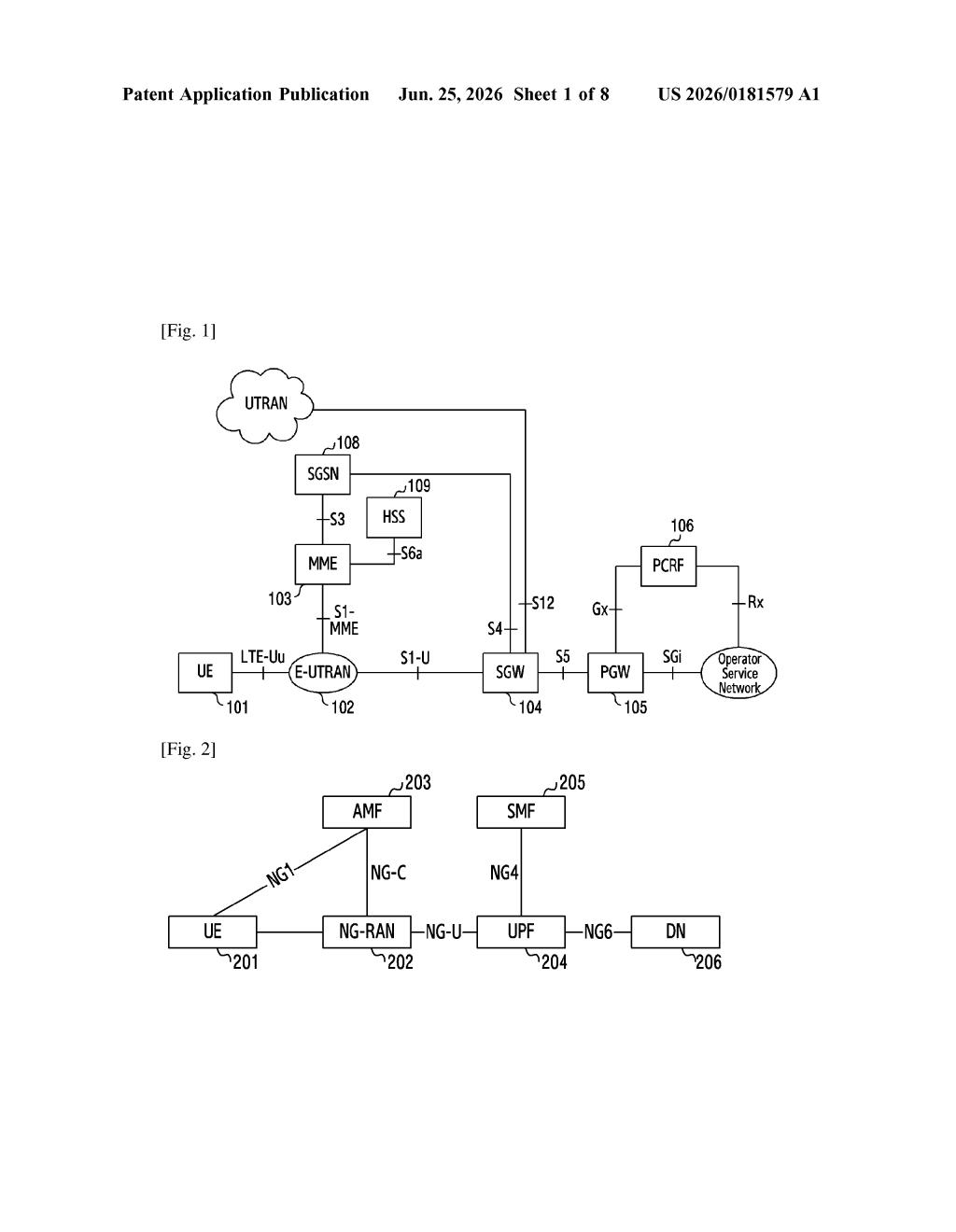
How Samsung's sidelink positioning actually works
Imagine you're in a crowded stadium where GPS is unreliable and the nearest cell tower is overwhelmed. Your phone needs to know exactly where it is, maybe for an emergency call or an in-venue navigation app. Standard location fixes from towers can be slow or imprecise in those conditions.
Samsung's patent describes a system where a network node can request that nearby devices send out special location-reference signals directly to each other, without always routing that request through the main network. One node asks a coordinator, the coordinator tells another device to broadcast a reference signal, and the configuration details flow back so everyone is calibrated.
Sidelink is the technical term for this kind of device-to-device communication. By offloading some of the location work onto sidelinks, the system can potentially locate devices faster and more accurately than relying solely on tower-based signals, which matters most in busy or signal-challenged environments.
How nodes coordinate the SL-PRS location signal
The patent describes a three-node coordination process for setting up what the spec calls a Sidelink Positioning Reference Signal (SL-PRS), a calibrated radio signal that devices broadcast directly to each other (rather than through a base station) so the network can calculate their positions.
- A first node (think: a network controller or another device acting as coordinator) receives information about one or more user devices.
- Based on that information, it sends a request message to a second node, asking a third node to be configured to transmit the SL-PRS.
- The second node responds with configuration details specifying exactly how the reference signal should be sent.
- The first node then passes those configuration details along so the signal can be set up and broadcast.
The chain-of-requests structure is designed to fit inside the existing 5G NR (New Radio) signaling architecture, meaning it works with the standardized message types carriers already use. The filing also references 6G, signaling Samsung is positioning this as forward-compatible.
The first independent claim (claims 1-15) has been canceled in this publication, which often happens during patent prosecution when claims are being revised or consolidated.
What this means for 5G and 6G location accuracy
Precise indoor and dense-urban positioning is one of the harder unsolved problems in 5G. GPS doesn't work well indoors, and tower-based triangulation can be off by tens of meters. A sidelink approach lets the network use nearby devices as reference points, which can tighten location accuracy significantly in environments where it's needed most, like factories, hospitals, and crowded venues.
For Samsung, which makes both network infrastructure (base stations, core equipment) and consumer devices (Galaxy phones), a patent covering both sides of a sidelink positioning exchange is strategically broad. If this approach gets incorporated into 5G or 6G standards, Samsung's infrastructure and handset divisions both benefit.
This is a standards-adjacent infrastructure patent, the kind that matters more in 3GPP working groups than in a product announcement. The canceled claims are a flag that the filing is still being shaped, and the real value here is positioning Samsung as a contributor to how 6G location services get defined. Not urgent reading, but worth a bookmark if you follow wireless standards or Samsung's network business.
There are more where this came from
We read every patent application Big Tech publishes and send you the ones worth knowing. Plain English, free, every week.
Want this weekly breakdown for a company we don't cover? Patentlyze Pro →