
Samsung Patents a System That Manages Overheating Phones by Shutting Off Antennas
When your phone gets too hot, its radio hardware can cause real damage. Samsung's new patent describes a way to cut the heat from wireless transmission without just killing your upload speed entirely.
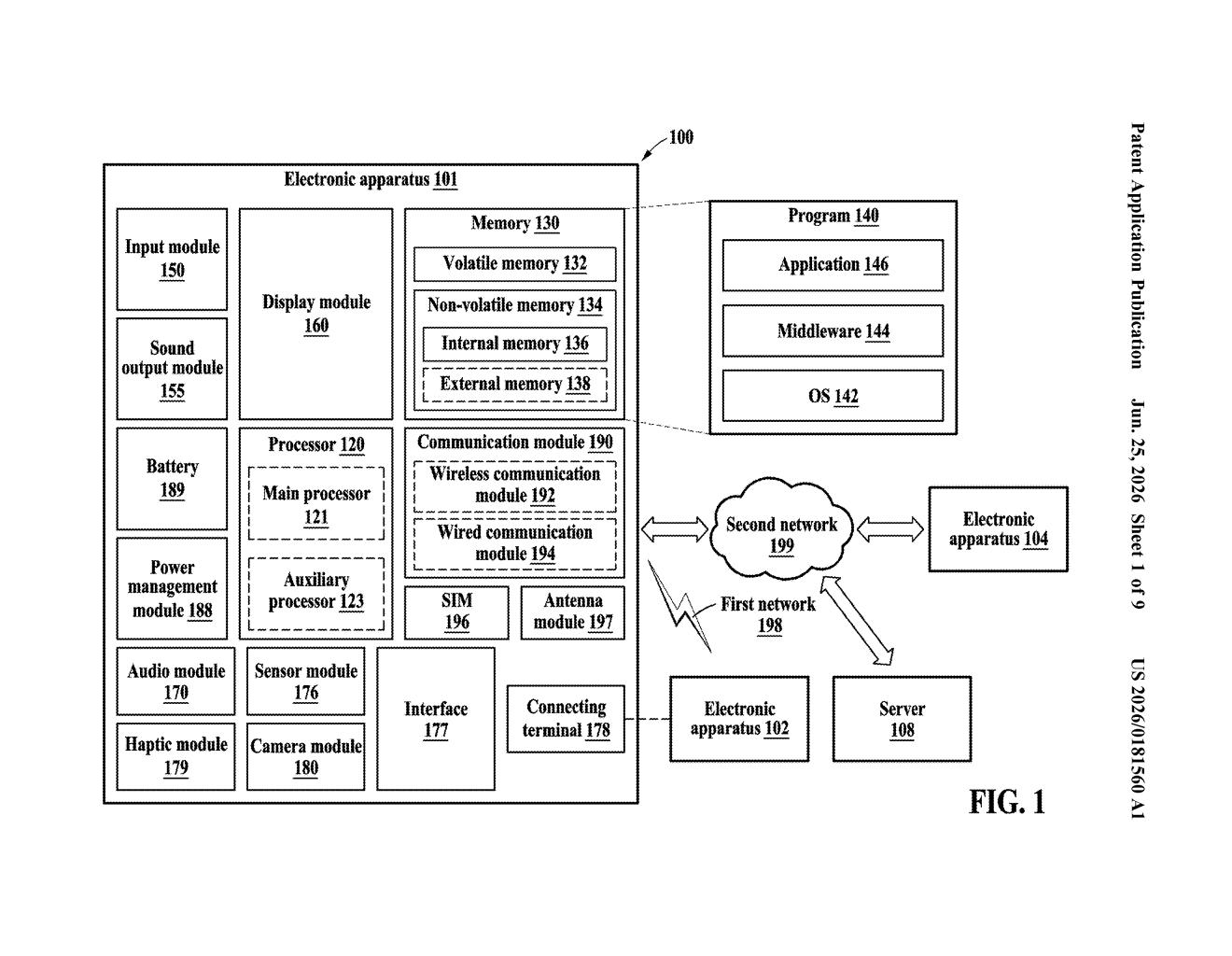
What Samsung's overheating antenna trick actually does
Imagine you're on a video call while your phone is baking in the sun. The phone's internals are getting dangerously warm, and the radios blasting your data to the cell tower are a big part of why. Most phones handle this badly: they either throttle everything bluntly or warn you to cool down.
Samsung's patent describes a more careful approach. When the phone detects it's running too hot, it first turns down the power on all its antennas a little. Then it checks whether that lower-power connection is still keeping up with the data rate the cell tower expects. If it is, the phone goes further: it completely switches off one antenna (specifically the one drawing the most power) and lets the remaining antennas work a bit harder to compensate.
The result is that your upload connection stays alive and reasonably fast, but the phone generates less heat from its radio hardware. It's a trade-off between heat reduction and upload performance, managed automatically so you don't have to think about it.
How the antenna power-balancing logic kicks in
Modern phones use UL MIMO (uplink multiple-input, multiple-output) connections, meaning they transmit data to a cell tower through several antennas at once. Each antenna draws power and generates heat. When the phone overheats, running all those antennas at full power makes things worse.
The patent describes a staged response:
- First, the phone notices it's over a temperature threshold detected by an onboard sensor.
- It drops the transmission power on every active antenna.
- It then checks the actual upload speed (called UL throughput) and compares it against a reference figure sent by the base station at a lower encoding level (a lower MCS level, meaning less data packed into each signal burst).
- If the cell tower's reference speed is at least as good as what the phone is currently achieving, the phone shuts off the one antenna drawing the most power entirely.
- The remaining antennas then get their power bumped back up to compensate.
The key insight is that fewer antennas at higher power can sometimes match the throughput of more antennas at lower power, while generating less total heat. The logic avoids switching off antennas blindly: it only does so if the numbers show the connection can survive the change.
What this means for 5G phones that run hot
Overheating is a real and recurring complaint for flagship Android phones, especially during sustained 5G use or outdoor use in warm weather. When a phone throttles its radios hard, upload-dependent tasks like video calls, live streaming, and cloud backups take the hit. A finer-grained response that keeps uploads functional while reducing thermal stress would be a genuine quality-of-life improvement.
For Samsung specifically, this fits a pattern of trying to differentiate on thermal management in its Galaxy S and Galaxy Z lines. A patent like this won't show up as a spec-sheet feature, but if it ships in firmware it's the kind of thing that separates a phone that stays cool and connected from one that just gets hot and slow.
This is solidly useful engineering rather than headline-grabbing innovation. Thermal throttling for radios is a known problem, and Samsung's approach of comparing live throughput against a base-station reference before switching off an antenna is more thoughtful than a simple temperature cutoff. It's worth watching if you care about 5G performance in hot conditions.
There are more where this came from
We read every patent application Big Tech publishes and send you the ones worth knowing. Plain English, free, every week.
Want this weekly breakdown for a company we don't cover? Patentlyze Pro →