
Samsung Patents a System That Steers Sound Toward Your Busiest Screen
When you have three screens going at once, which one should be making noise? Samsung's latest patent answers that question automatically, by turning up the volume on whatever screen is changing the most.
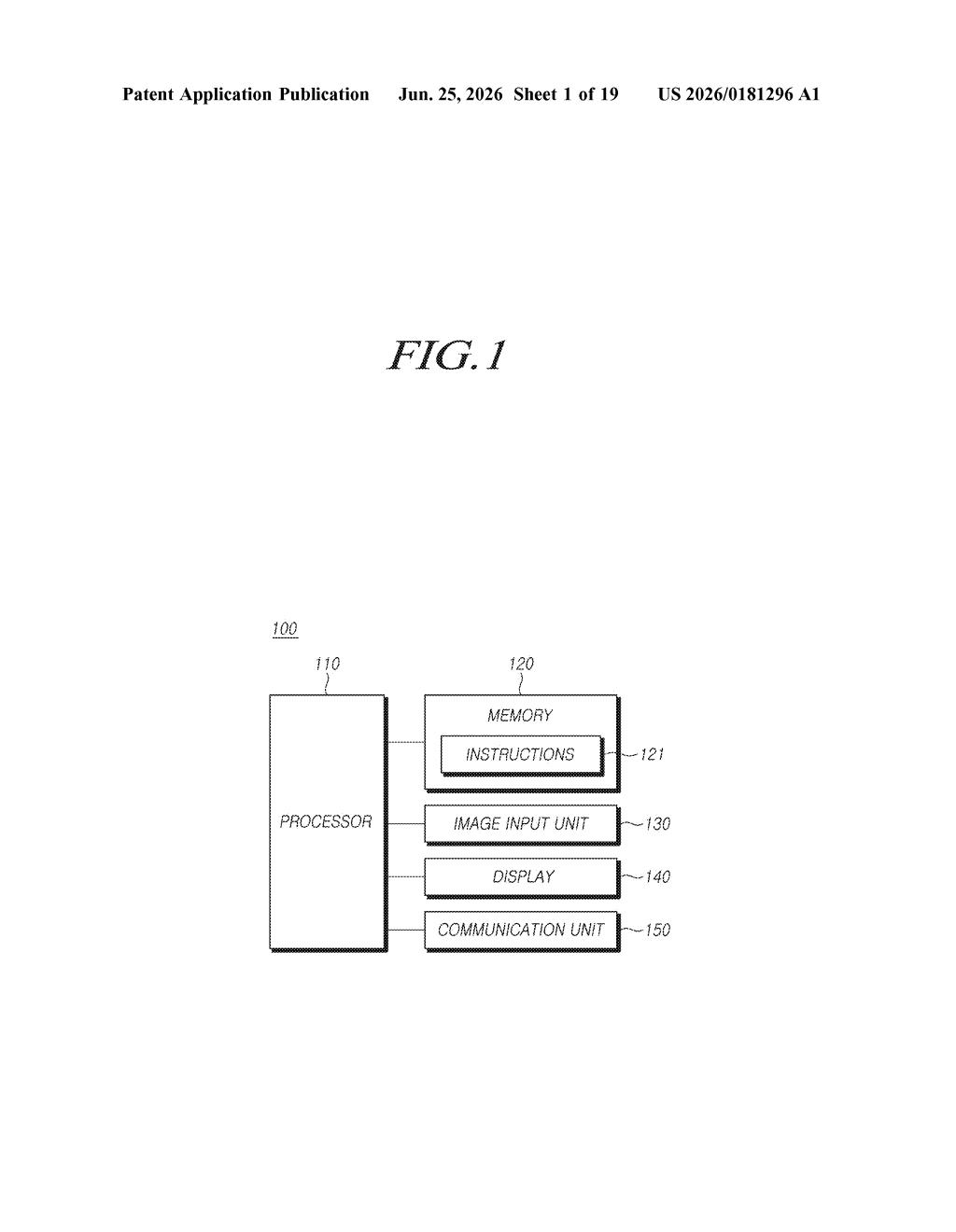
How Samsung's multi-screen audio steering actually works
Imagine you have a laptop, a monitor, and a TV all connected together, each showing something different. A video is playing on one screen, a game is running on another, and a chat window is open on a third. Right now, you'd have to manually decide where the sound comes from. Samsung's patent wants to take that decision off your plate.
The idea is that your device watches how much each screen's picture is changing at any given moment. The screen with the most movement or activity, like a video or a game, gets its speakers turned up automatically. The speakers on the screen sitting right next to it get a small boost too, which keeps the audio from feeling like it's coming from a weird, isolated corner.
It's a bit like how a movie theater focuses your ears toward the action without you having to think about it, only here your own collection of screens figures out where the action is on its own.
How the volatility score picks the loudest speaker
The patent describes a central electronic device (say, a laptop or PC) that manages audio across a cluster of connected displays. Each display has its own speaker, and the system needs to decide in real time which one should be the dominant audio source.
To do that, Samsung's method calculates a volatility value for each display. This is a measure of how much the screen's content is changing from moment to moment, derived from the input signals being sent to each display. A screen showing a fast-moving game or a video stream scores high. A static spreadsheet scores low.
Once the system finds the display with the highest volatility value, it does two things:
- Boosts the speaker volume on that display (the first device).
- Also raises the volume on the speaker of whichever display is physically adjacent to it.
The second step is about spatial coherence. If your loudest screen is in the middle of a three-screen row, bringing the neighbor speaker up slightly creates a wider, more natural audio field rather than a single pinpoint source. The patent covers this as an operating method that runs continuously as you switch focus between screens.
What this means for multi-monitor and multi-TV setups
Multi-display setups are increasingly common, not just for power users but for anyone who has a laptop docked next to a TV or a second monitor at home. Today, managing audio across those screens is clunky: you manually switch the default audio output or just ignore the speakers on most of your displays. Samsung's approach would make that automatic, which genuinely removes friction from everyday use.
For Samsung specifically, this fits into a broader push around its multi-device ecosystem, where Galaxy phones, tablets, PCs, and smart TVs are all meant to work together. A system that intelligently routes audio across that ecosystem makes the whole stack feel more like one coherent device rather than several gadgets that happen to be near each other.
This is a practical, modest patent that solves a real annoyance rather than inventing something entirely new. The volatility-based approach is clever enough to be worth protecting, and it fits naturally into Samsung's connected-device strategy. Don't expect headlines, but do expect to see something like this appear in Samsung's DeX or multi-screen link features within a few product cycles.
There are more where this came from
We read every patent application Big Tech publishes and send you the ones worth knowing. Plain English, free, every week.
Want this weekly breakdown for a company we don't cover? Patentlyze Pro →