
Samsung Patents a System That Diagnoses Broken Equipment and Builds Its Own Repair Videos
When a piece of industrial equipment breaks down, figuring out what went wrong and what to do about it can eat up hours. Samsung's new patent describes a device that handles both steps automatically, diagnosing the failure and then producing a multimedia guide showing exactly how to fix it.
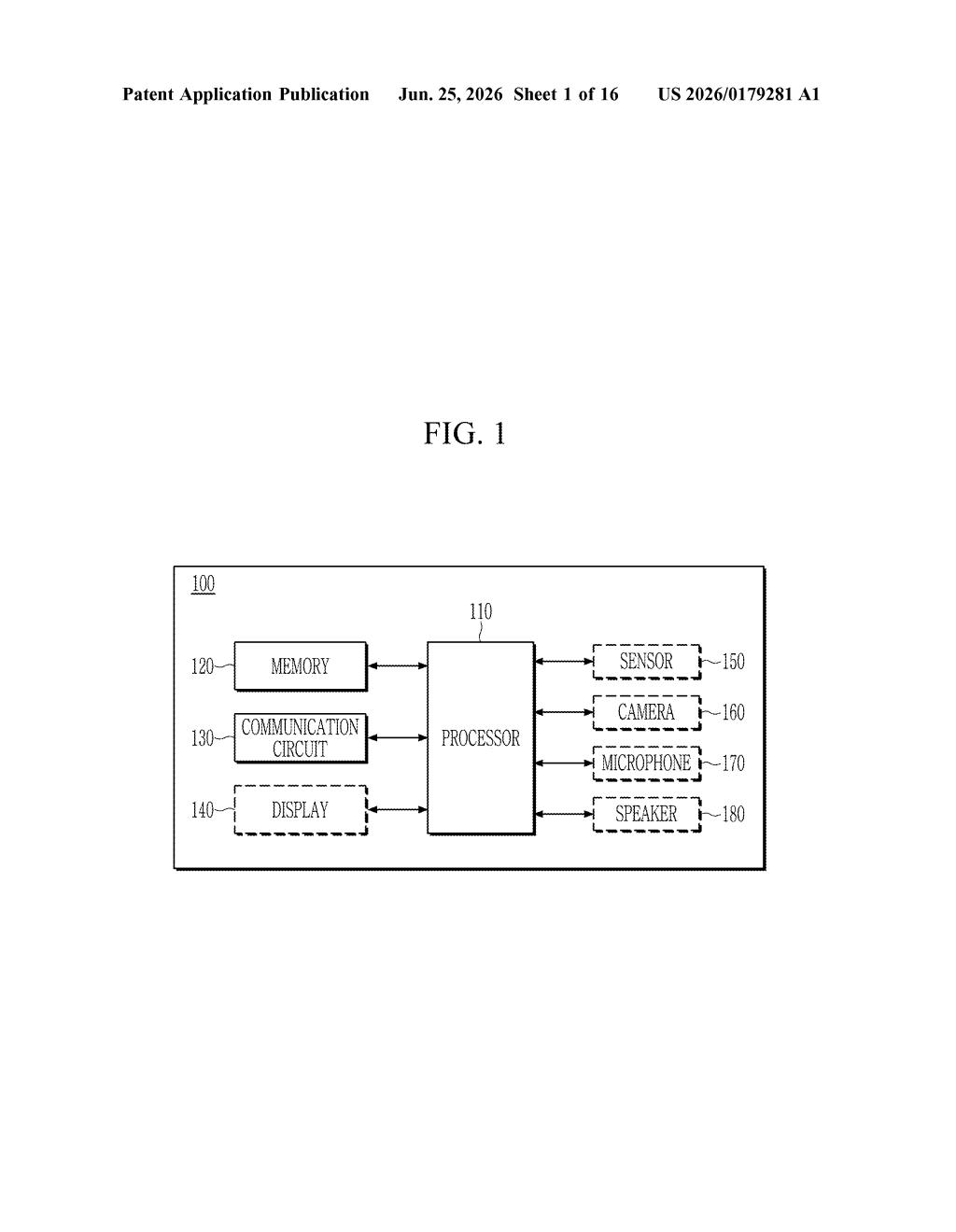
What Samsung's auto-generated repair guide system actually does
Imagine a factory machine throws an error code at 2 a.m. Right now, a technician has to decode the error, dig through manuals, and figure out the repair steps, often under pressure. Samsung's patent describes a device that does all of that on its own.
The system pulls diagnostic data directly from the broken equipment, figures out what caused the failure, and then generates a step-by-step guide based on that specific cause. The twist is that it doesn't just produce a text checklist. It creates multimedia content, think video, audio, or illustrated walkthroughs, tailored to the repair job at hand.
The patent covers a wide range of possible equipment, referring to it generically as a "facility." The core idea is that the repair guidance is generated automatically and dynamically, based on the actual failure, not pulled from a pre-written library.
How the device goes from failure data to finished multimedia
The system centers on an electronic device with a communication circuit, processor, and memory. Here's the sequence the patent lays out:
- Acquire facility data: The device collects real-time diagnostic information from a piece of equipment over a network connection.
- Analyze the cause of failure: The processor examines that data to identify what actually went wrong, not just what error code was thrown.
- Generate guide data: Based on the failure analysis, the system produces structured instructions describing what actions are needed to fix the problem.
- Generate multimedia content: Those instructions are used as input to create a finished multimedia output, such as a video walkthrough or illustrated guide, specific to this repair.
- Output the content: The finished guide is delivered, presumably to a technician's screen or device.
The key technical claim is that the multimedia content is generated from the guide data, meaning it's produced on the fly for each failure event rather than fetched from a static database. The patent doesn't specify which AI or generation method handles the multimedia step, leaving that deliberately broad.
What this means for factory floors and field technicians
For industrial and commercial operators, the bottleneck in equipment repair is rarely the physical work itself. It's the diagnosis and the lookup time. A system that collapses those two steps into an automatic, multimedia output could meaningfully cut downtime, especially in environments where experienced technicians are hard to find or spread thin.
Samsung already sells industrial displays, appliances, and enterprise hardware where this kind of system could theoretically be embedded. The patent's claim language is intentionally general, covering any "facility," which keeps the scope wide for potential licensing or product integration. Whether this shows up in a Samsung product or becomes a platform feature for business customers, the practical target is clearly the maintenance and operations space.
This is a real workflow problem with a plausible AI-generation solution, and the patent captures an end-to-end system rather than just one step of it. It's not flashy consumer tech, but for anyone managing industrial equipment or commercial facilities, automated multimedia repair guides are a genuinely useful idea. The breadth of the claim language suggests Samsung is positioning this as a platform play, not a narrow product feature.
There are more where this came from
We read every patent application Big Tech publishes and send you the ones worth knowing. Plain English, free, every week.
Want this weekly breakdown for a company we don't cover? Patentlyze Pro →