
Samsung Patents a System That Turns Group Chat Agreements Into Automatic App Actions
Every group chat eventually produces a decision nobody follows up on. Samsung is filing a patent for a system that listens to those conversations and automatically kicks off the next step for you.
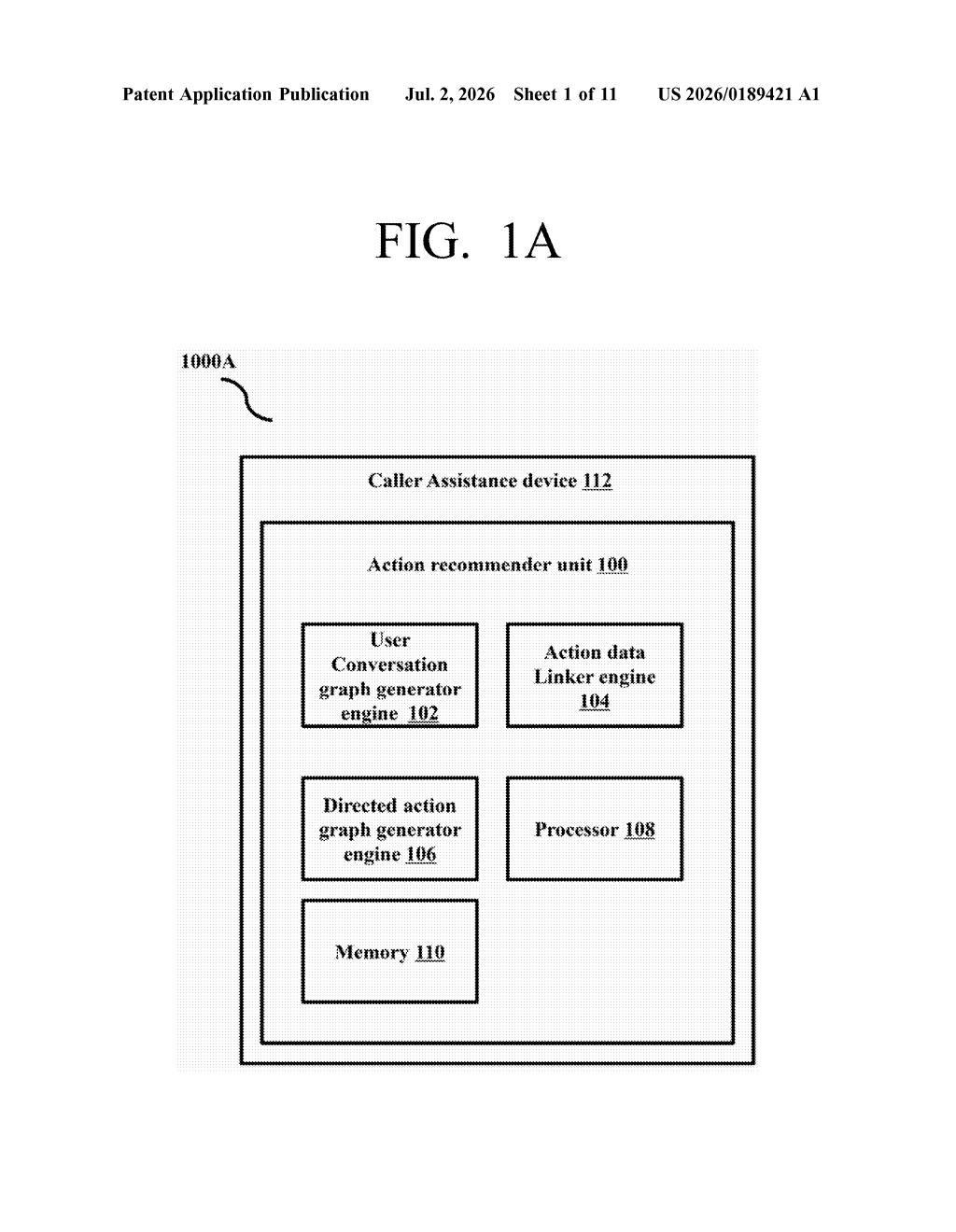
What Samsung's group-conversation action system actually does
Picture a group chat where you and two friends are deciding where to eat. You all agree on a restaurant, and your phone immediately opens a reservation app, pre-filled with the details you just discussed. That's the core idea here.
Samsung's patent describes a system that watches a multi-person conversation, figures out what each participant seems to want, and then detects when those people reach some kind of agreement. Once it spots that shared outcome, it triggers an app on your device to take the relevant next step automatically.
The system is not just scanning for keywords. It builds a picture of each person's intent, meaning what they're trying to accomplish, and only acts when the conversation shows that multiple people have aligned on something. Think of it as a meeting assistant that actually schedules the follow-up instead of just suggesting it.
How the system reads intent and fires app actions
The patent describes a pipeline with four main stages:
- Intent extraction: The system analyzes each participant's messages to build what it calls "intent information", essentially a structured guess about what that person is trying to do or get.
- Inference generation: From those intents, the system generates one or more "inferences" (reasoned conclusions about likely goals, such as "this person wants to book travel on Friday").
- Action mapping: Each inference is linked to a concrete action, an operation that an app on the device could perform, like opening a calendar, starting a payment, or searching for tickets.
- Activation on agreement: The action is only triggered when the system detects agreement between at least two participants. The device then launches the relevant app and executes a "similar action" matched to that agreed outcome.
The phrase "similar action" is worth noting: the system doesn't try to execute the exact thing discussed word-for-word. It maps the conversation to the closest available function the device can actually perform, which makes it more practical when conversations are messy or informal.
The claim covers both the person who voiced the intent and the person who agreed with it, meaning the action can be suggested to any participant, not just whoever brought the idea up.
What this means for Galaxy devices and AI assistants
For Galaxy phone and tablet users, this kind of system could mean your device starts behaving less like a passive notification screen and more like a participant that actually does things after a decision lands. If this makes it into a product, you could finish a group call and find your phone has already queued up the calendar invite, the restaurant booking, or the shared note.
More broadly, this is Samsung staking out territory in the race to make on-device AI useful for real social situations, not just solo commands. Every major AI assistant today is built around one person talking to one device. A system that tracks multiple people reaching a shared conclusion is a meaningfully different bet on where the technology goes next.
This patent is worth paying attention to precisely because it solves a problem everyone recognizes: decisions made in group chats evaporate. The technical approach is plausible and the use case is concrete, which puts it a notch above most speculative AI patent filings. Whether Samsung can make the intent-detection accurate enough to feel helpful rather than intrusive is the real product challenge.
There are more where this came from
We read every patent application Big Tech publishes and send you the ones worth knowing. Plain English, free, every week.
Want this weekly breakdown for a company we don't cover? Patentlyze Pro →