
Samsung Patents a System That Gives Each Phone Camera Its Own Exposure Setting
Most phones with multiple cameras treat all of their lenses like a single unit when setting exposure. Samsung's new patent describes a system that lets each camera operate with its own independent exposure value, timed so they don't all fire at the same moment.
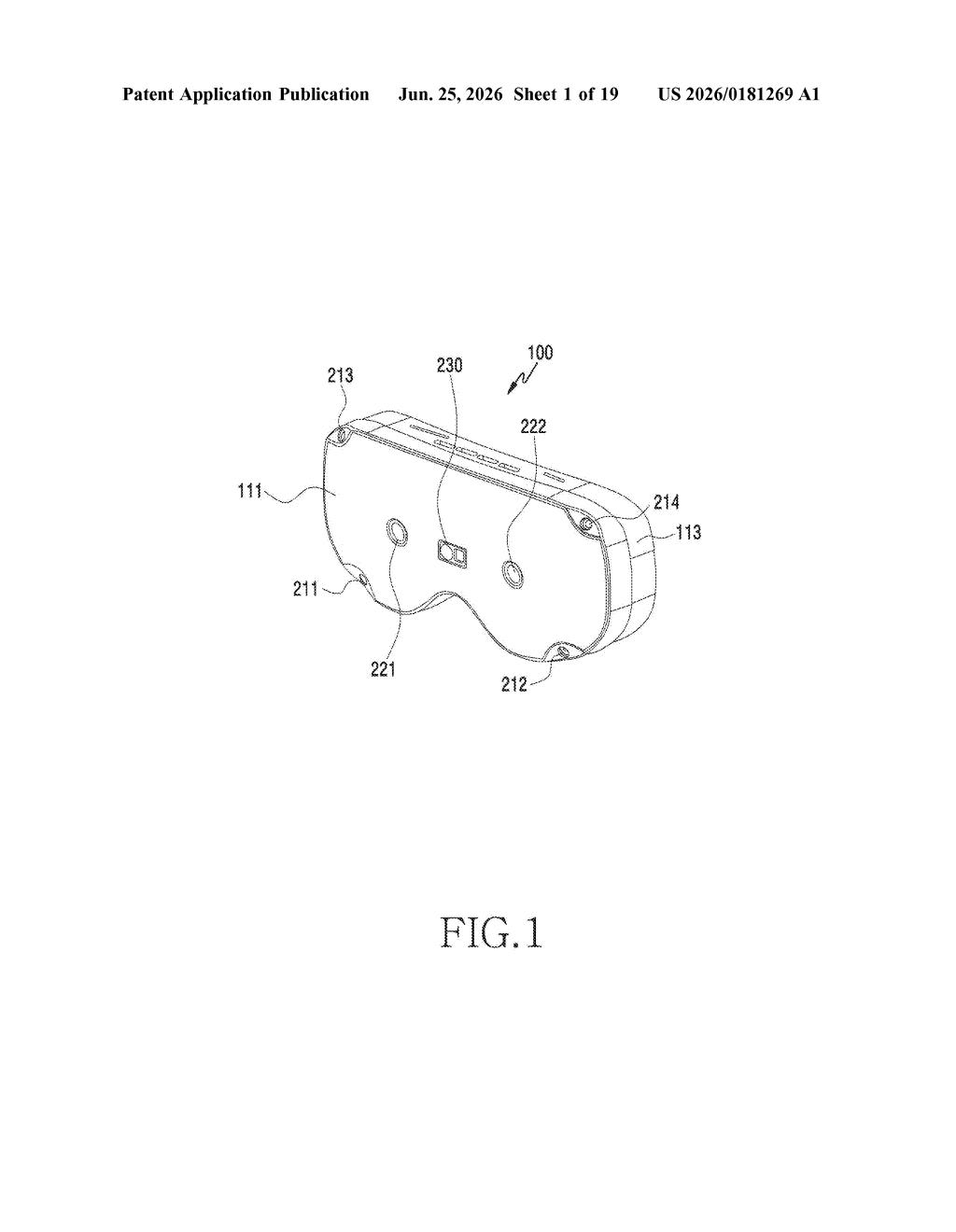
What Samsung's multi-camera exposure trick actually does
Imagine you're photographing a concert: the stage is blazingly bright but the crowd behind you is almost dark. A phone trying to expose for both at once usually gets neither right.
Samsung's patent describes a system where each camera on a multi-lens phone can be set to a different exposure level at the same time. When one camera notices the lighting has changed, the phone recalculates exposure settings for every sensor independently, instead of locking them all to the same value.
On top of that, the system deliberately staggers when each camera captures its frame, so they don't all fire at the exact same instant. The idea is to give the phone more raw material to work with when it eventually combines the shots into a single image.
How Samsung's system staggers timing and exposure across sensors
The patent describes a coordination layer that sits above a phone's individual camera sensors and manages two things at once: timing and exposure.
When a capture event starts, the system reads a timestamp from each sensor to figure out exactly where each camera is in its frame cycle. It then nudges one or more sensors to shift when they output their next frame, creating a deliberate offset so no two cameras fire at the same instant.
At the same time, the system monitors the capturing environment (basically, what the scene looks like in terms of brightness and contrast) for each camera independently. If one camera's scene changes, say a cloud passes in front of the sun, the system recalculates exposure values for all sensors, but assigns different values to each rather than forcing them to agree.
The result is a set of frames taken at slightly different times and with different exposures. That diversity of raw data is what modern computational photography pipelines need to reconstruct a well-exposed image across a wide range of lighting conditions.
What this means for photos in tricky lighting
For users, the practical payoff is better photos in scenes with uneven or rapidly changing light, the kind of situation where current multi-camera phones often blow out highlights or crush shadows. By treating each sensor as an independent unit rather than a synchronized group, the phone has a better foundation for HDR-style processing.
For Samsung specifically, this kind of low-level camera coordination matters because the company's flagship Galaxy phones already use three or four sensors simultaneously. A more precise exposure-and-timing system could improve the consistency of shots taken with the ultra-wide, main, and telephoto lenses all active at once, without requiring the user to do anything differently.
This is a solid, unglamorous piece of camera engineering. The idea of staggered timing and per-sensor exposure isn't entirely new in computational photography, but filing it as a coordinated system at the firmware level suggests Samsung is building this kind of control deeper into its camera stack. Worth watching for Galaxy S and Z series devices where multi-sensor capture is already the default.
There are more where this came from
We read every patent application Big Tech publishes and send you the ones worth knowing. Plain English, free, every week.
Want this weekly breakdown for a company we don't cover? Patentlyze Pro →