
Samsung Patents a Voice Assistant That Remembers What You Asked Before
Most voice assistants treat every question like the first one you've ever asked. Samsung is patenting a way to change that, by surfacing past conversations that are relevant to what you're asking right now.
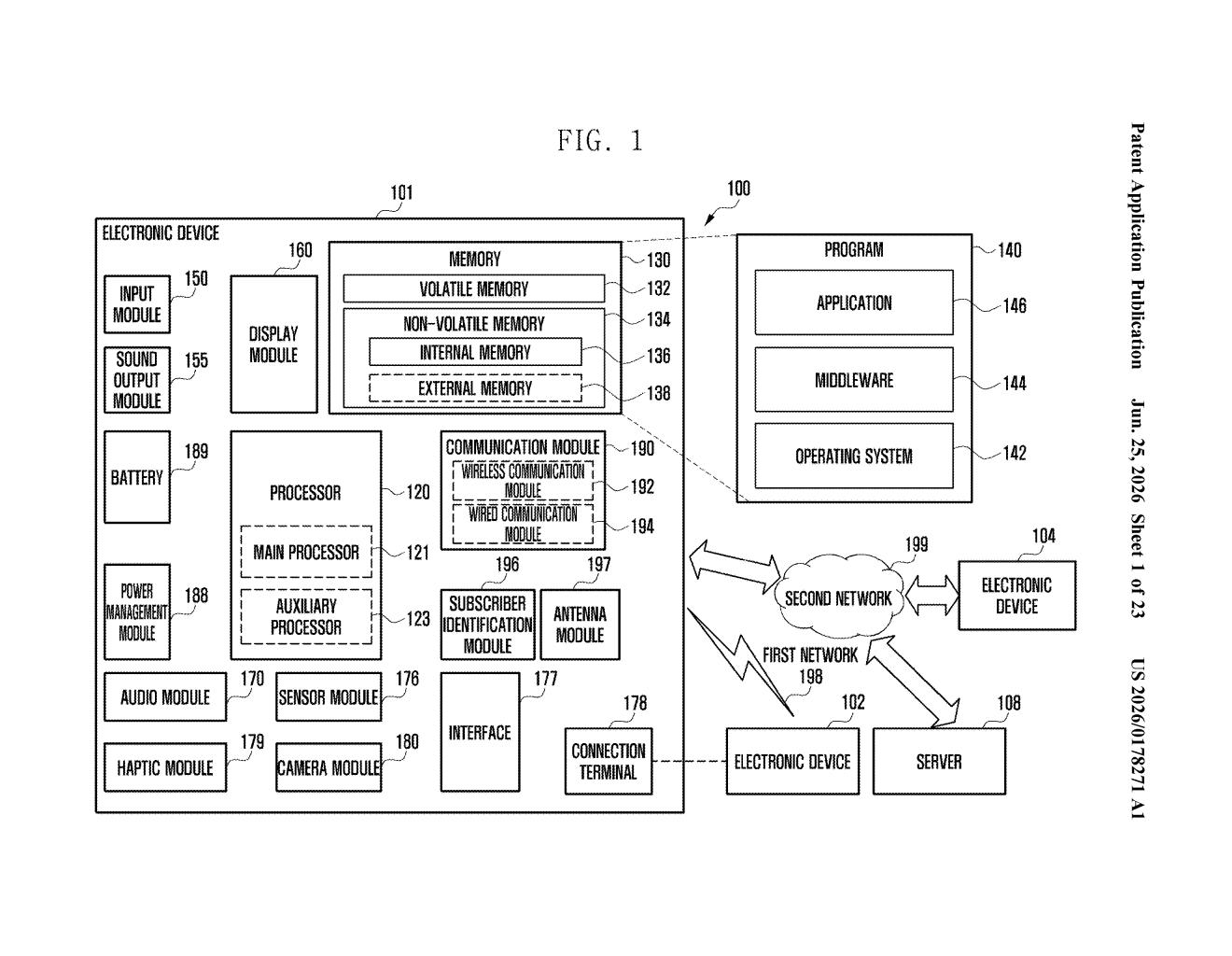
What Samsung's conversation-memory voice assistant actually does
Imagine you asked your phone's voice assistant last week to find a good Italian restaurant nearby. Now you ask, "What time does that place close?" Most assistants would have no idea what "that place" means. Samsung's patent addresses exactly this kind of frustrating disconnect.
The idea is simple: when you ask your phone a question, the voice assistant checks whether you've had a related conversation in the past. If it finds one, a small button or prompt appears on screen. You tap it, and the assistant answers your new question using the context from that older exchange, so you don't have to repeat yourself.
This is essentially a "memory" feature for your voice assistant. Instead of each conversation living in isolation, related ones get linked together, giving the assistant enough background to give you a genuinely useful answer.
How the device matches old conversations to new queries
The patent describes an electronic device (likely a smartphone) that intercepts an incoming voice query and runs a background check against stored conversation history. The device looks for previous exchanges that share a conversation topic with the new question.
If a match is found, the device displays what the patent calls a "previous conversation retrieval object" on screen. Think of it as a small UI chip or button that signals: "Hey, you asked something related before." The user can ignore it entirely, or tap it to explicitly bring that past context into the current session.
Once the user selects that object, the assistant generates its response using both the new query and the retrieved history. The key design choice here is that the user controls whether old context gets applied. It's not automatic injection of memory behind the scenes; you're shown the link and asked to confirm. The steps in sequence:
- User asks a voice question
- Device scans past conversations for a related topic
- A retrieval button appears on screen if a match exists
- User taps the button (or ignores it)
- Assistant answers using both the old conversation and the new question
What this means for Bixby and Samsung's AI ambitions
Voice assistants have struggled with follow-up questions and multi-session memory for years. Apple's Siri, Google Assistant, and Samsung's own Bixby all handle context reasonably well within a single conversation, but the moment you close the session, that context evaporates. This patent is Samsung's attempt to build a memory layer that survives across separate sessions, which would make Bixby noticeably more useful for ongoing tasks like planning a trip, tracking a project, or managing a recurring health question.
The opt-in design (tap to load old context rather than having it loaded automatically) also addresses a real privacy concern: you stay in control of when past conversations influence your current one. That's a thoughtful tradeoff, and it positions Samsung's approach differently from a fully automatic memory system that might surface things you'd rather keep separate.
This is a practical, well-scoped idea that addresses a genuine pain point without overselling itself. The opt-in retrieval button is a smart design choice that respects user privacy. Whether Samsung actually ships this in a usable form inside Bixby is a different question, but the underlying concept is solid and worth watching.
There are more where this came from
We read every patent application Big Tech publishes and send you the ones worth knowing. Plain English, free, every week.
Want this weekly breakdown for a company we don't cover? Patentlyze Pro →