
IBM Patents a Way to Stop Encrypting the Same Data Twice in Cloud Storage
When your data travels between servers in a cloud storage system, it often gets encrypted twice, once for safety and once more because the network tunnel insists on it. IBM's new patent proposes a way to cut that duplication without sacrificing security.
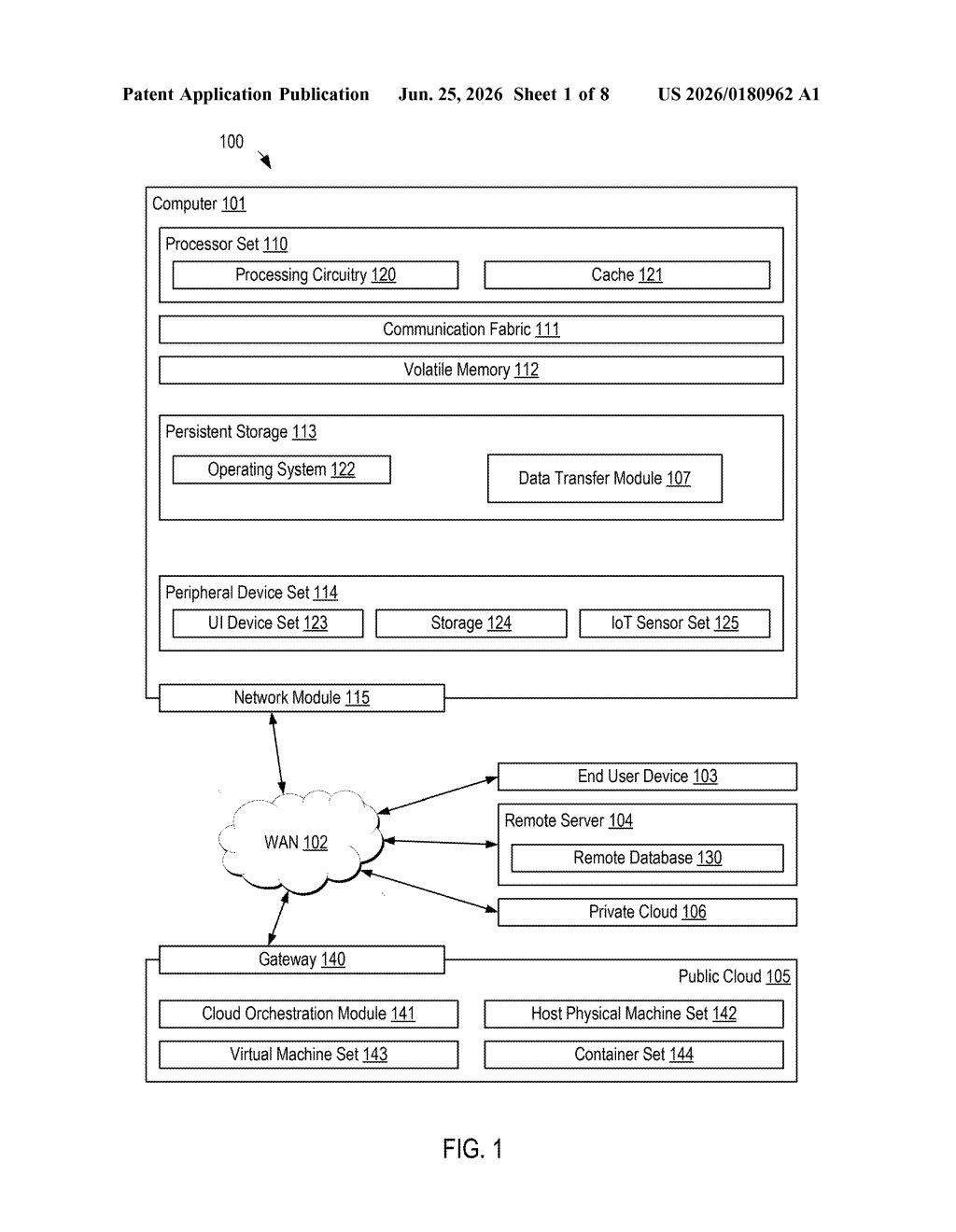
What IBM's double-encryption fix actually does
Imagine sending a sealed envelope inside another sealed envelope, just because the postal service requires all packages to be sealed. You end up with double the wrapping for no extra protection. That's essentially what happens today when servers in a distributed cloud storage system send already-encrypted files over a secure network connection.
IBM's patent describes a way to stop doing that. The idea is to send the encrypted data itself over a plain, unsecured channel, while sending a small separate message (a kind of tamper-proof receipt called integrity information) over the secure channel. Because the data is already encrypted before it leaves the first server, wrapping it in another layer of encryption for transit is redundant.
The result is a leaner transfer process. The servers still verify that nothing was tampered with in transit, but they're not burning extra computing power on a second round of encryption that adds no real protection.
How IBM splits data and integrity checks across two channels
The patent describes a two-channel approach inside a distributed file system (a storage setup where files are spread across multiple connected servers, called nodes).
- The first node encrypts the data before sending it anywhere.
- That already-encrypted data travels over an unsecured network connection, skipping the overhead of a second encryption layer like TLS (the same protocol that secures websites).
- Separately, the first node sends integrity information (a cryptographic checksum or authentication tag that proves the data wasn't altered) over a properly secured, authenticated channel.
- The second node receives both, verifies the integrity check, and writes the data to storage.
The key insight is that the security guarantee normally provided by an encrypted tunnel (confidentiality plus tamper detection) can be split: confidentiality comes from the pre-existing file-level encryption, and tamper detection comes from the small integrity message sent over the secured channel. You don't need to re-encrypt several megabytes of data when a small authentication tag can do the verification job on its own.
What this means for large-scale cloud storage costs
In large-scale cloud and enterprise storage, CPU time spent on encryption is real money. Every server that shuffles data between nodes burns processing cycles, and double-encrypting adds overhead without improving the actual security of the stored files. IBM's approach targets that waste directly, which could reduce CPU load and speed up data movement in high-throughput storage clusters.
For you as an end user, the change would be invisible, your files would remain just as protected. But for cloud providers and enterprise IT teams running IBM storage products, shaving off redundant encryption operations across thousands of daily transfers could add up to meaningful efficiency gains.
This is a straightforward infrastructure optimization, not a flashy AI story, but it's exactly the kind of careful engineering that saves real money at scale. IBM's enterprise storage business lives or dies on performance-per-dollar, and a patent that targets provably wasted CPU cycles in distributed file systems is a sensible thing to protect. Don't expect headlines, but do expect to see something like this show up in IBM Storage Scale or a future cloud offering.
There are more where this came from
We read every patent application Big Tech publishes and send you the ones worth knowing. Plain English, free, every week.
Want this weekly breakdown for a company we don't cover? Patentlyze Pro →