
IBM Patents a System That Turns Software Into Ready-to-Ship Product Guides
Writing documentation is the chore every software team dreads and every manager complains about. IBM has filed a patent for a system that hands that job to an AI, feeding it the actual source code alongside a description of what the product does and who needs to read about it.
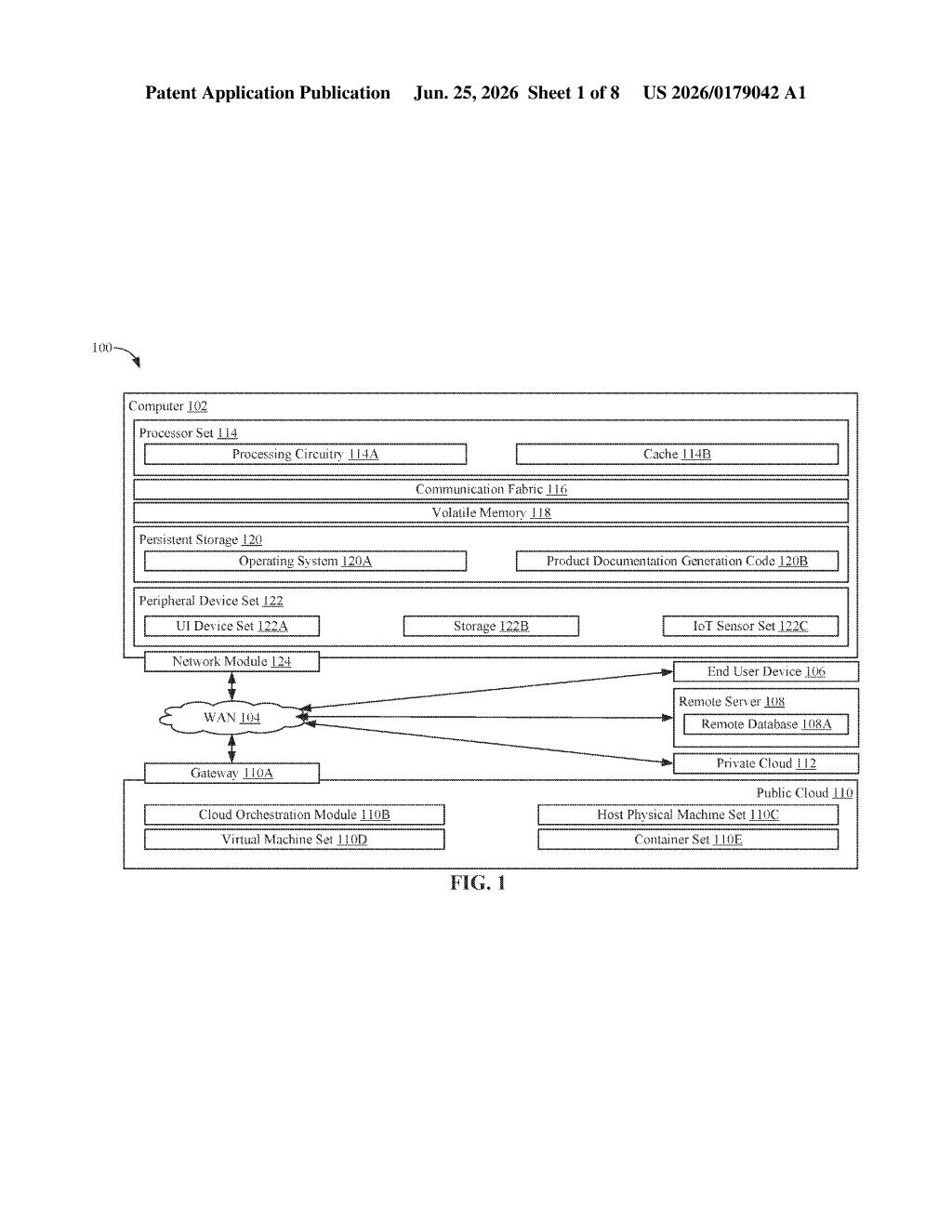
What IBM's AI documentation generator actually does
Imagine your team ships a new feature. Someone still has to sit down and write the user guide, the release notes, the technical specs, and maybe a summary for the business side too. That work takes time, gets skipped, or ends up out of date before anyone reads it.
IBM's patent describes a system where you feed three things into an AI: the source code itself, a "product story" describing what's new or changed, and a template that captures what different people (executives, developers, end users) actually want to know. The AI then produces documentation tailored to each audience.
The idea is that the docs get generated directly from the real code and the real feature list, rather than being written from memory after the fact. You still set the preferences upfront, but the heavy lifting of actually writing everything falls to the AI.
How the system blends code, stories, and preferences
The system takes three inputs and combines them through a generative AI model:
- A preferences template: a structured set of instructions capturing what different stakeholders (think: a developer wants API details, a product manager wants a feature summary, a compliance officer wants audit language) need from the documentation.
- A product story: a description of the product's new features or enhancements, essentially the narrative of what changed in this release.
- Source code: the actual underlying code for the product or feature, which lets the AI ground its output in what the software really does rather than what someone remembers it doing.
A generative AI model (the patent leaves the specific model open-ended) ingests all three and produces a first draft of product documentation. The phrase "first product documentation" in the claim wording suggests the system may support iterative refinement, generating additional versions as inputs are updated.
The output is then rendered, meaning displayed or delivered in some usable format. The patent doesn't specify the exact output format, but the framing points toward structured documents like release notes, user guides, or API references.
What this means for software teams and their release cycles
For software teams, documentation is chronically underfunded and chronically late. A system that generates docs directly from source code and feature descriptions could meaningfully close the gap between when software ships and when anyone can actually read about what it does. The stakeholder-preference layer is the interesting part: most documentation tools treat all readers the same, while this approach tries to produce different documents for different audiences from a single generation pass.
For IBM specifically, this fits squarely into its broader push around enterprise AI tools, particularly through its watsonx platform. Whether this surfaces as a standalone product or gets folded into existing developer tooling is an open question, but the target buyer is clearly large organizations where documentation debt is a real operational cost.
This is a practical, unglamorous patent solving a real problem that every software organization faces. The stakeholder-preference layer is a genuinely useful idea that goes beyond most "AI writes your docs" pitches. It's not a technical leap, but it's the kind of workflow automation that actually gets adopted.
There are more where this came from
We read every patent application Big Tech publishes and send you the ones worth knowing. Plain English, free, every week.
Want this weekly breakdown for a company we don't cover? Patentlyze Pro →