
Qualcomm Patents a Way to Keep Phones Synced When Switching Between Satellites and Cell Towers
When your phone is connected to a satellite network and tries to hand off to a cell tower, it has a timing problem. Qualcomm's new patent describes a way to solve that.
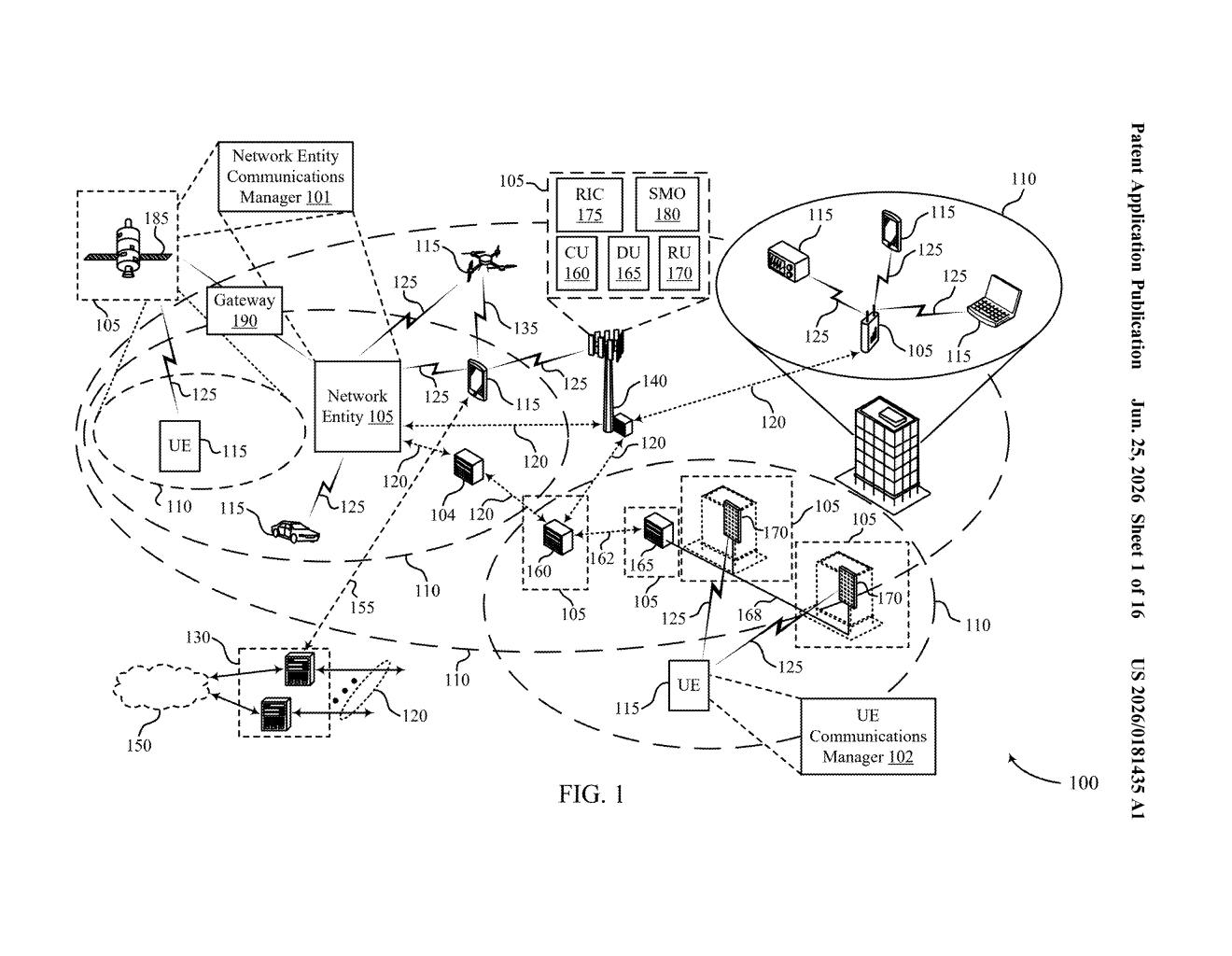
What Qualcomm's satellite-to-cell handoff actually does
Imagine you're driving through a remote area where the only signal comes from a satellite overhead. As you approach a town, your phone should be able to switch over to a regular cell tower automatically, without dropping a call or losing data. The catch is that satellites and cell towers keep time differently, and your phone needs to know the right moment to even start looking for a cell signal.
Qualcomm's patent describes a system where the satellite network asks the nearby cell tower for a timing reference, then passes that information to your phone. Your phone uses that timing to know exactly when to take a quick break from the satellite connection and scan for a cell tower signal.
This kind of coordination is what makes truly smooth handoffs between satellite and regular networks possible. Without it, your phone would essentially be guessing, which leads to dropped connections or slow, clunky transitions.
How the timing reference gets passed between networks
The patent addresses a specific technical challenge in cellular standards called measurement gap timing. When a device is connected to a non-terrestrial network (NTN), meaning a satellite-based cell connection, it needs to periodically pause its satellite communication to listen for signals from nearby terrestrial network (TN) cell towers. These pauses are called measurement gaps.
The problem is that NTN and TN cells operate on different timing references, largely because satellites are thousands of miles away and signals take measurable time to travel. A reference timestamp from the terrestrial network is needed to align those measurement windows correctly.
Qualcomm's approach works in three steps:
- The satellite network's base station requests a timing reference from the terrestrial cell tower.
- The terrestrial cell tower sends back a timestamp in response.
- The satellite base station embeds that timestamp in a measurement gap configuration message sent to the phone, which uses it to calculate exactly when to scan for the cell tower signal.
The phone then monitors for a synchronization signal from the cell tower during the correctly timed gap. This synchronization signal (similar to a network handshake) is how a device confirms a usable cell tower is present before committing to a handoff.
What this means for satellite-connected phones
Satellite-based cellular service, offered by companies like Apple through Emergency SOS and by carriers using low-earth-orbit satellites, is expanding. As it does, the transitions between satellite coverage and regular cell towers become a real daily-use problem for people in areas with mixed coverage. A phone that drops the connection or takes ten seconds to find a tower is a frustrating experience.
For Qualcomm, which supplies the modem chips inside a huge portion of the world's smartphones, solving this at the chipset and standards level means their hardware can handle satellite-to-cell handoffs more reliably than approaches that leave the timing coordination to software workarounds. This kind of patent tends to flow into cellular standards bodies like 3GPP, shaping how all manufacturers implement the feature.
This is infrastructure-level standards work, not a flashy consumer feature. But Qualcomm patents like this one tend to end up baked into 3GPP specifications, which means they eventually affect every phone that supports NTN. If satellite-connected phones are going to become a mainstream feature rather than an emergency-only capability, the timing coordination this patent describes is exactly the kind of problem that needs to be solved first.
There are more where this came from
We read every patent application Big Tech publishes and send you the ones worth knowing. Plain English, free, every week.
Want this weekly breakdown for a company we don't cover? Patentlyze Pro →