
Tap a Camera Feed to Steer Your Vehicle With This New Patent
Sony has filed a patent for a system that stitches multiple camera views into one display image, then lets a user drive the vehicle simply by interacting with what they see on screen.
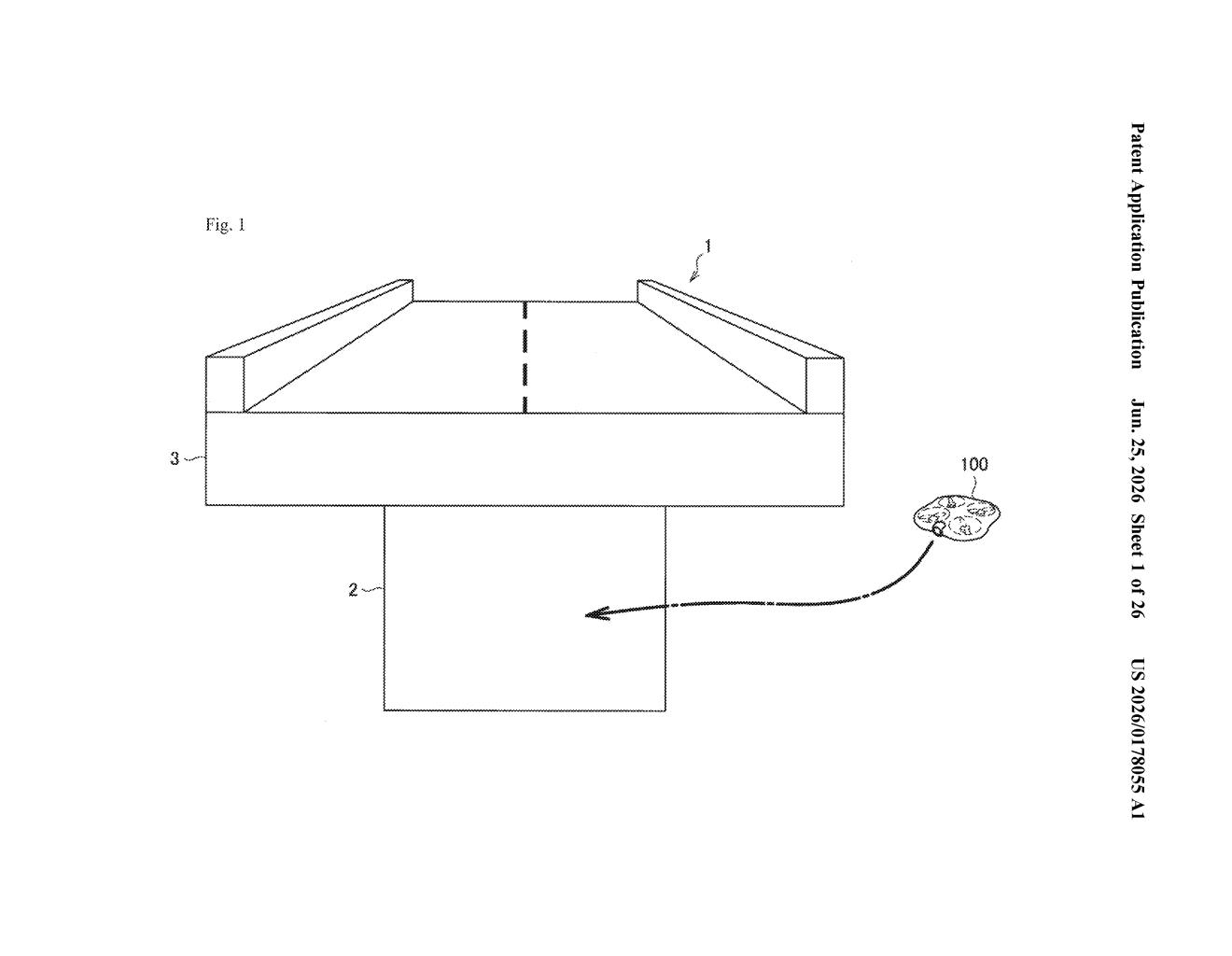
What Sony's tap-to-drive camera system actually does
Imagine driving a remote-controlled car not with a joystick, but by tapping on a live video feed of where the car is headed. You point to a spot on the screen, and the vehicle moves toward it. That's the core idea here.
Sony's patent describes attaching multiple cameras to a vehicle, combining their footage into a single composite view, and showing that view on a display. Whatever portion of that display you interact with, whether by tapping, clicking, or gesturing, tells the vehicle what to do next.
This approach could apply to anything from remotely piloted drones and delivery robots to vehicles in environments where a human operator needs to guide a machine without being physically present. The interface is the map, and the map is the control.
How the composite image ties camera input to vehicle commands
The system has two main parts: imaging devices mounted on a vehicle that capture multiple simultaneous views, and a control circuit that merges those views into a single composite image displayed on a screen.
The key behavior is the link between what you see and what the vehicle does. When a user interacts with a specific portion of the displayed composite image, the control circuit interprets that interaction as a movement or navigation command and operates the vehicle accordingly. In other words, the display is not just a passive monitor; it is the input device.
- Multiple cameras provide overlapping or wide-angle coverage of the vehicle's surroundings
- A control circuit stitches those feeds into one coherent image (think of a parking camera's bird's-eye view, but interactive)
- User input on any region of that image translates into a vehicle action, such as moving toward a tapped point
The patent does not specify whether the interaction is touch, cursor-based, or gesture-driven, keeping the design intentionally broad. The claim is written to cover any scenario where the composite display drives vehicle operation.
What this means for remote-controlled and autonomous vehicles
Remote operation of vehicles, drones, and robots typically requires dedicated controllers with buttons and joysticks, hardware that takes training and adds friction. A camera-feed-as-controller approach flattens that learning curve considerably. If you can see where the machine is, you can point it there, no specialized hardware required.
Sony has deep roots in both imaging hardware (cameras and sensors) and remote-controlled systems through its robotics and entertainment divisions. A patent like this could connect those two areas in practical tools for logistics, inspection, or even consumer-level remote vehicles. For you as a user, the promise is a more intuitive way to control machines you can't physically touch.
This is a tidy, concept-level patent that describes something genuinely useful: replacing abstract joystick inputs with a direct point-on-the-camera-feed interface. It's not especially complex engineering, but the interaction model is sensible and the application space (drones, delivery robots, industrial vehicles) is real. Sony is clearly staking out IP territory at the intersection of its camera business and remote vehicle control.
There are more where this came from
We read every patent application Big Tech publishes and send you the ones worth knowing. Plain English, free, every week.
Want this weekly breakdown for a company we don't cover? Patentlyze Pro →