
Sony Patents a Vehicle Window That Doubles as a Per-Pixel Gaming Display
Sony wants to turn the passenger-side car window into a gaming screen — and it has a clever trick for dealing with the one thing that ruins every screen in a car: sunlight.
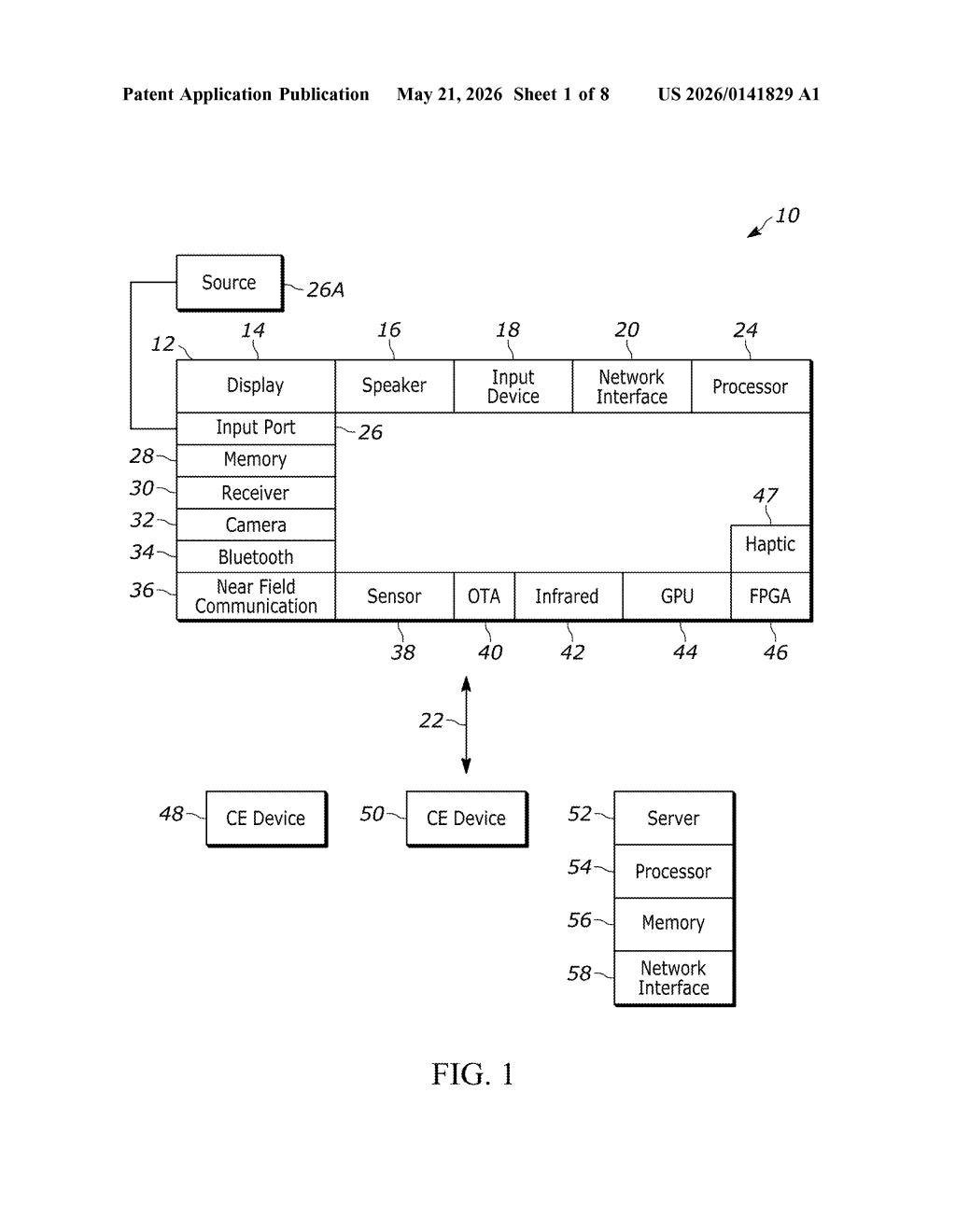
How Sony turns a car window into a playable game screen
Imagine you're a passenger on a long road trip and you want to play a game on the car window itself — not a tablet propped against it, but the actual glass. The obvious problem is that sunlight streaming through the window at different angles would wash out the image, making everything look muddy or invisible.
Sony's patent describes a transparent display built into vehicle glass that solves this by reading how much light is hitting each tiny section of the window and then making that specific spot slightly more opaque — like a dynamic tint — to keep the image behind it looking crisp. It does this per pixel, so the adjustment is happening simultaneously across the whole pane of glass as your surroundings change.
The system also tracks where your head is positioned and accounts for the light inside the cabin, so the compensation stays accurate even if you lean or the overhead light flickers on.
How per-pixel opacity cancels out variable sunlight
The core mechanism relies on optical sensors embedded at multiple locations on the transparent display assembly — essentially small light detectors distributed across the glass. Each sensor measures the intensity and character of light hitting its particular zone.
A connected processor takes that sensor data and calculates an opaqueness parameter for each pixel adjacent to a sensor — basically a precise instruction for how transparent or tinted that pixel should be. The goal is normalized backlight: ensuring that the ambient light leaking through the window doesn't overpower the game image being projected on the same surface.
The patent also calls out two additional inputs the system can factor in:
- User head pose — where the passenger is looking, so tinting can be weighted toward the viewer's actual line of sight
- Interior vehicle lighting — cabin LEDs or overhead lights that might also affect perceived image quality
This is essentially a spatially-aware, real-time local dimming system (the same concept used in high-end OLED TVs to deepen blacks zone by zone), but applied to transparent glass instead of a solid panel — and fighting external sunlight rather than internal bleed.
What this means for in-car entertainment and PlayStation
For Sony, this patent sits at the intersection of its PlayStation business and the fast-growing in-vehicle entertainment market. As more automakers equip rear seats with screens and connectivity, there's a real race to own the gaming layer inside cars — and a transparent window-based display would be a more immersive, less claustrophobic option than a mounted tablet.
For you as a passenger, the practical upside is a display that adapts to real-world conditions without you having to pull down a shade or squint. The harder question is whether the display tech itself — high-resolution, transparent, per-pixel dimmable glass at automotive scale — is manufacturable at a price that makes sense. The patent solves the software and sensing problem elegantly; the hardware bill of materials is a separate challenge entirely.
This is a genuinely interesting patent because it identifies a real, unsolved problem — ambient light corruption on transparent displays — and proposes a sensor-driven, per-pixel solution that's more sophisticated than just 'make the whole window darker.' Whether Sony ever ships this in a PlayStation-branded in-car experience or licenses it to an automaker is an open question, but the underlying approach is sound and worth watching.
There are more where this came from
We read every patent application Big Tech publishes and send you the ones worth knowing. Plain English, free, every week.
Want this weekly breakdown for a company we don't cover? Patentlyze Pro →