
Sony Patents a Drone Camera You Aim by Tilting Your Hand
Sony wants to let drone pilots aim the camera just by moving their hand or wrist, no joystick fiddling required. A simple gesture activates the mode, and from that point the camera follows wherever you point.
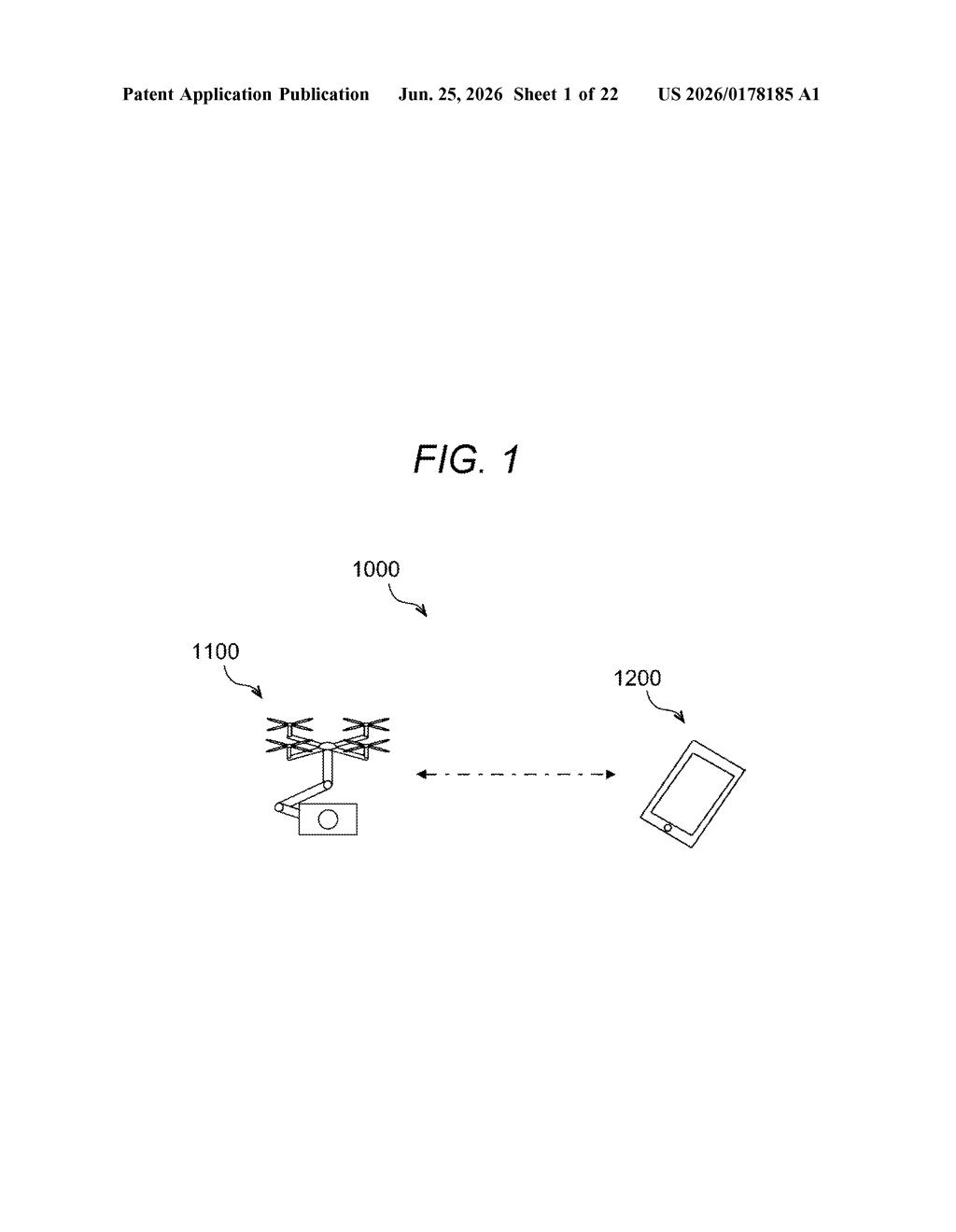
How Sony's tilt-to-aim drone camera system works
Imagine you're flying a drone and you want to tilt the camera down to capture something on the ground. Right now, that usually means hunting for a separate joystick or dial on your controller while also keeping the drone in the air. It's a lot to juggle.
Sony's patent describes a system where tilting a handheld or wearable controller directly controls the angle of the drone's camera. You press a button (or make a specific gesture) to turn on what they call a remote control mode, the device confirms it's active with some kind of feedback (a beep, a vibration, a screen notification), and then your hand movements steer the camera from that point on.
The controller reads your hand's orientation using a built-in motion sensor, the same kind of technology that knows when you rotate your phone. Tilt your wrist down, the camera tilts down. It's the same instinct you'd use pointing at something with your finger, just applied to an airborne camera.
How the motion sensor maps wrist angle to camera posture
The patent covers a control method for mobile objects (most likely drones) where the camera's physical orientation, its posture in patent language, is driven by motion data from a separate handheld or wearable device.
Here's the sequence the patent describes:
- The operation device (controller or wearable) reads its own orientation continuously using a motion sensor (an accelerometer or gyroscope, the chips that detect tilt and rotation).
- A first user operation, a button press or gesture, triggers the remote control mode, which switches the camera into tilt-by-motion mode.
- The device then outputs notification information to confirm the mode is active, so the user knows their movements will now move the camera.
- While the mode is running, the camera's gimbal (the motorized mount that keeps the camera stable and steerable) follows the orientation data from the controller.
The patent is written broadly enough to cover both hand-held controllers and worn devices like wristbands or gloves. The mobile object itself isn't restricted to drones either; the language covers any mobile platform carrying an imaging device.
What this means for casual drone photographers
The biggest friction point in drone photography isn't flying the drone, it's framing the shot while flying. Camera tilt has always required a dedicated physical control, which splits your attention. A motion-based system collapses that into a natural pointing gesture, which could lower the skill floor considerably for casual users.
Sony makes both drones (the Airpeak line) and cameras, so this patent sits at a logical intersection of their hardware catalog. If this ships in a future controller or wearable accessory, it would also give Sony a differentiating feature against DJI, which currently dominates consumer and prosumer drones.
This is a genuinely useful UX idea: pointing at what you want to film is about as intuitive as input gets, and the notification-before-activation detail shows someone thought carefully about preventing accidental camera movements. Whether it ships as a feature or stays a filing, it solves a real problem drone users actually complain about.
There are more where this came from
We read every patent application Big Tech publishes and send you the ones worth knowing. Plain English, free, every week.
Want this weekly breakdown for a company we don't cover? Patentlyze Pro →