
Salesforce Patents Drop-In Video Sessions That Launch Directly From a Chat Channel
Salesforce is patenting a way to start a live video session from inside a chat channel with a single tap, no calendar invite, no meeting link, no hassle. Think of it as a virtual open-door office policy built directly into a messaging app.
What Salesforce's no-schedule video rooms actually do
Imagine your team has a chat channel for a project. Right now, turning that text conversation into a video call means leaving the app, sending a link, waiting for everyone to join, and doing the whole meeting-setup dance. This patent describes a button sitting right inside the channel that starts a live video room on the spot.
Anyone in the channel can pop in or drop out whenever they want, without interrupting the session for everyone else. It's closer to walking over to a colleague's desk than booking a conference room.
On top of that, anyone in the call can pull up a shared app or tool and have it appear alongside the video feed, so the group can look at the same thing together in real time.
How the channel button triggers a live video session
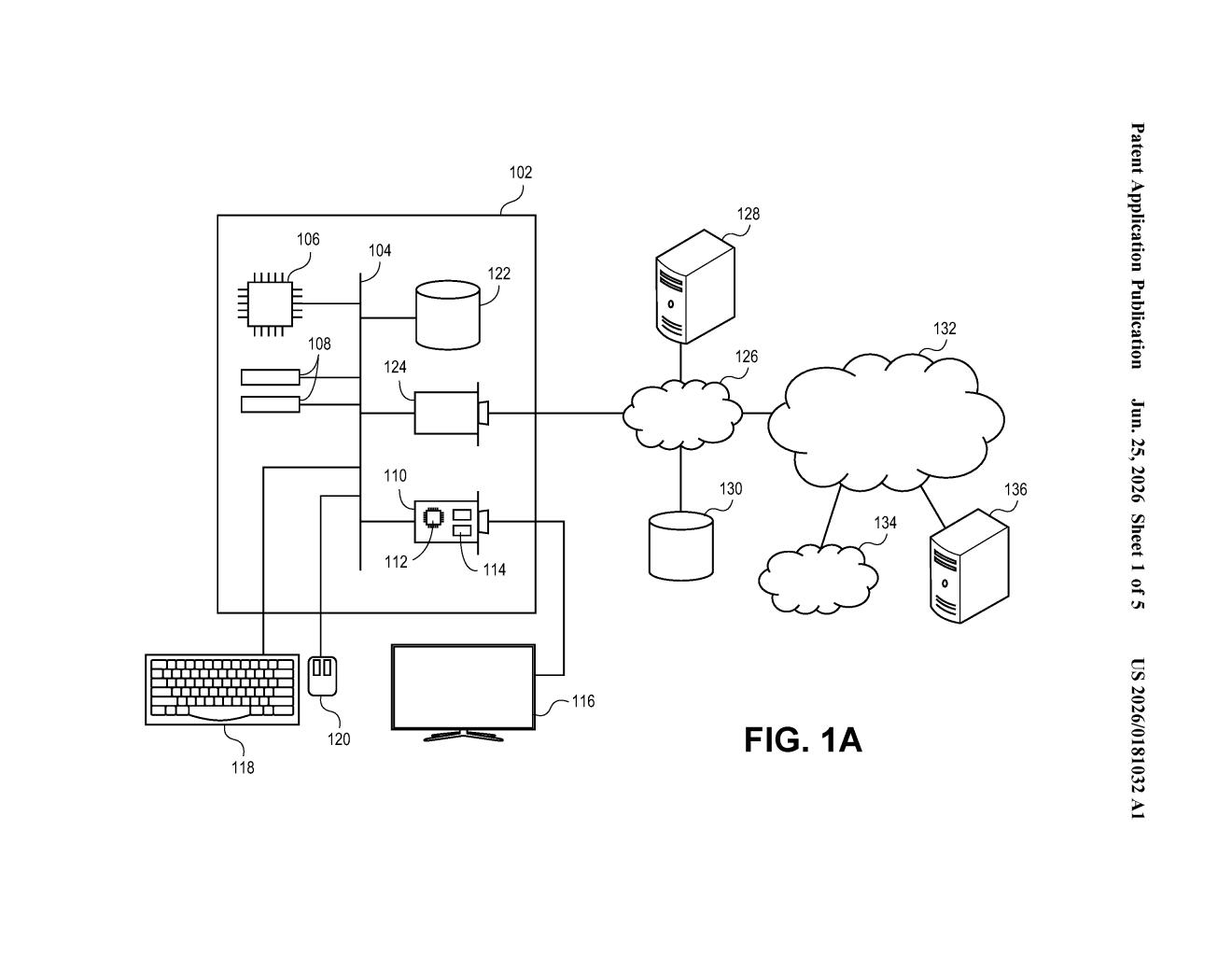
The patent describes a system built into a group-based communication platform (think Slack) that adds a persistent, tappable element inside a chat channel. When a member clicks it, a synchronous video session (a live, real-time call) kicks off immediately for anyone in that channel.
The key technical points are:
- The session is ambient, meaning it stays open in the background. Members can join or leave at any time without the call ending or disrupting others.
- There is no separate scheduling step. The meeting is tied to the channel itself, not to a calendar event.
- Once inside the session, any participant can trigger a second selectable element that loads an in-call application, causing that app's interface to appear alongside the video feed for the whole group.
The claim is deliberately broad: it covers the display logic, the initiation flow, and the app-sharing layer as a unified method rather than three separate features.
What this means for Slack's future as a meeting tool
For Slack, which Salesforce owns, this patent maps closely onto a feature direction the company has been exploring since it introduced Slack Huddles in 2021. A patent like this, covering the core interaction loop of one-click ambient video, could give Salesforce legal footing to defend that feature set as competitors build similar drop-in call tools.
For you as a user, the practical bet here is that future versions of Slack could blur the line between a chat channel and a persistent virtual office space. Instead of a channel being a place where you read messages, it becomes a place where you and your team can also be, live, without any ceremony.
This is a fairly direct patent on Salesforce Slack Huddles functionality, and the timing suggests Salesforce is shoring up its IP position around ambient calling before competitors like Microsoft Teams or Google Meet get closer to the same interaction model. The in-call app-sharing wrinkle is the most genuinely interesting piece, but the core claim is bread-and-butter collaboration infrastructure.
There are more where this came from
We read every patent application Big Tech publishes and send you the ones worth knowing. Plain English, free, every week.
Want this weekly breakdown for a company we don't cover? Patentlyze Pro →