
Samsung Patents an Audio Editor That Lets You Adjust Tracks Before the AI Finishes Splitting Them
Samsung is patenting an audio editor that shows you individual volume controls for voice, music, and background noise the moment it recognizes those sounds exist, without making you wait for the full audio separation to finish first.
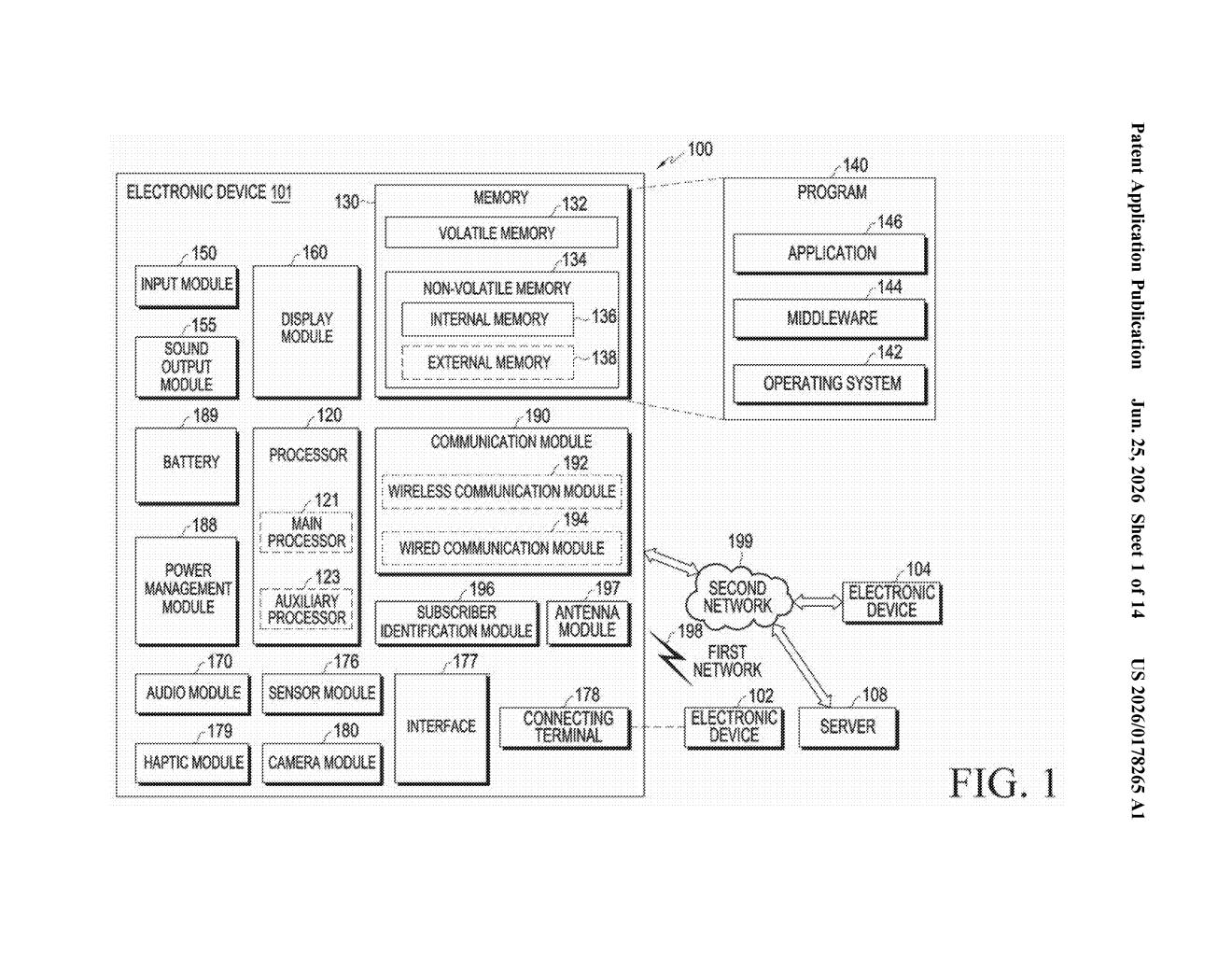
What Samsung's per-track audio editing actually does
Imagine you record a video at a noisy cafe. You want to turn down the background chatter and keep your own voice loud and clear. Normally, any app that can do that has to fully process and separate every audio layer before it hands you any controls. That wait can feel like forever.
Samsung's patent describes a system that skips the waiting room. The moment the device's AI identifies that your recording contains, say, a voice layer and a background noise layer, it puts the volume sliders for those two things right on screen. You can start making adjustments while the deeper audio separation work is still running in the background.
The result is a faster, more responsive editing experience. You don't have to stare at a progress bar before you can do anything. The controls appear early, and the audio catches up to your adjustments as the processing completes.
How Samsung separates classification from separation
The patent describes two distinct AI modules working in sequence, and crucially, the user interface doesn't wait for the slower one to finish.
- Audio classification module: This is the fast first pass. It listens to the recording and identifies what general types of sound are present, for example a human voice, background music, or ambient noise. This step is relatively quick.
- Audio separation module: This is the heavier, slower process. It actually pulls apart the audio into isolated tracks, one per sound type, so each can be manipulated independently.
The key invention is that the on-screen editing controls (represented as objects for each sound type) appear after classification finishes, not after separation finishes. So when a user adjusts the volume slider for "voice," the device begins applying that change to the audio being separated in real time, or queues it to apply once that track is ready.
This approach means the user interface feels immediate and responsive even though the computationally expensive work is still ongoing. The patent covers the device, the software method, and the stored instructions that make this behavior happen.
What this means for video editing on Galaxy devices
For anyone who edits video on a phone, this kind of responsiveness matters a lot. The biggest friction point in mobile audio editing has always been waiting for processing to complete before you can touch anything. By decoupling the UI from the slowest part of the pipeline, Samsung could make on-device audio mixing feel much closer to a desktop experience.
This fits directly into Samsung's Galaxy AI push, where the company has been adding AI-powered video and audio tools to its flagship phones and tablets. A feature like this would be a natural addition to Samsung's native video or voice recorder apps, giving everyday users pro-level audio control without requiring them to export files to a separate editor.
This is a genuinely practical UX improvement, not just an AI capability showcase. The insight that classification is faster than separation, and that you can build a useful interface on the faster result, is the kind of detail that separates a frustrating app from a smooth one. If Samsung ships this in a Galaxy AI feature, people will notice the difference even if they never read a word about how it works.
There are more where this came from
We read every patent application Big Tech publishes and send you the ones worth knowing. Plain English, free, every week.
Want this weekly breakdown for a company we don't cover? Patentlyze Pro →