
Apple Patents Technology That Shrinks Files by Skipping Already-Known Data
Apple has filed a patent for a text compression system that works by predicting what the next piece of data will be before it even writes it. If the system is confident enough, it skips writing that piece entirely.
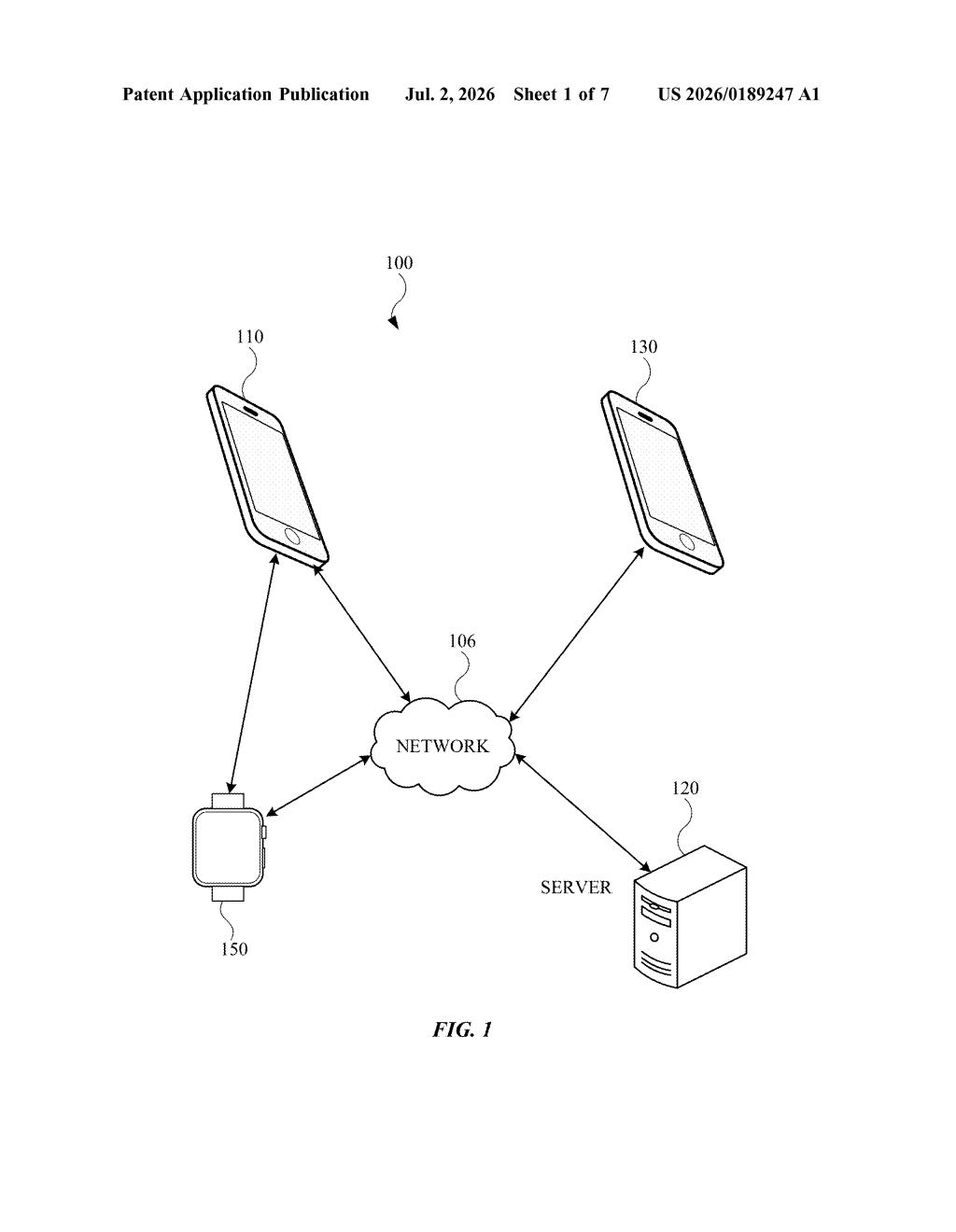
What Apple's predictive text compression actually does
Imagine you're sending a message to a friend, and they already know the next word you're about to type. You could just skip it and say 'you know what comes next.' Apple's patent describes a compression system that works on a similar idea, but at a much more granular level, bit by bit inside each letter or character.
When your device prepares text to send somewhere, this system analyzes each tiny chunk of data and makes a prediction about what comes next, based on both the recent characters and the broader word being formed. If the prediction is confident and correct, that piece of data doesn't need to be included in what gets sent. The receiving device can figure it out on its own.
The result is a smaller data stream for the same amount of text. That can mean faster transfers, less bandwidth used, or more efficient storage, especially when lots of text is moving between devices or through Apple's services.
How Apple's encoder decides which bits to skip
The patent describes a context-adaptive arithmetic coder, a type of compression that assigns shorter codes to more predictable data and longer ones to surprises, squeezing the whole thing down.
Here's the process step by step:
- The input text is broken into a sequence of bytes (each byte represents one character or part of one).
- Each byte is processed one bit at a time, from the most significant (highest-value) bit down to the least significant.
- Two separate 'contexts' are built in parallel: an n-byte length context (what have the last several bytes looked like?) and a word context (what word is currently being formed?).
- Each context feeds its own prediction model, which outputs a probability that the next bit will be a 0 or a 1.
- The two probabilities are combined via a multi-dimensional mapping (think of it as a lookup table that blends the two guesses into one final guess).
- That final guess drives arithmetic coding, which encodes the bit very efficiently when the guess is highly confident.
If the prediction is confident enough to uniquely determine the bit, the system can effectively skip writing it to the output stream. The output also includes a header flag so the receiving device knows compression was used and can decode accordingly.
What this means for data sent between Apple devices
Text compression is not glamorous, but it sits underneath almost everything Apple's devices do: syncing notes, sending iMessages, backing up to iCloud, processing on-device AI tokens. A more efficient compression method at this level could reduce the data overhead across all of those systems. Apple's approach here is notable because it uses two separate prediction models simultaneously, one tracking recent byte history and one tracking word structure, then merges them. That dual-context design is meant to capture both short-range and linguistic patterns, which plain byte-level compressors miss.
For you as a user, the most direct benefit would be faster syncing and lower data usage in text-heavy tasks, particularly on slower connections or where Apple enforces data limits like cellular iCloud backups.
This is a solid but narrow engineering patent. It's not the kind of thing Apple will announce at a keynote, but compression quality matters enormously at scale across iCloud and on-device AI pipelines. The dual-context prediction approach is technically interesting and meaningfully different from standard dictionary-based compression like LZ4 or LZFSE. Worth watching if you follow Apple's infrastructure bets.
There are more where this came from
We read every patent application Big Tech publishes and send you the ones worth knowing. Plain English, free, every week.
Want this weekly breakdown for a company we don't cover? Patentlyze Pro →
Be the first to weigh in