
Apple Patents a Stylus That Changes How It Tracks Itself When It Touches a Surface
When a stylus touches a surface, one dimension of movement becomes irrelevant. Apple has filed a patent for a tracking system smart enough to notice that and stop wasting effort measuring it.
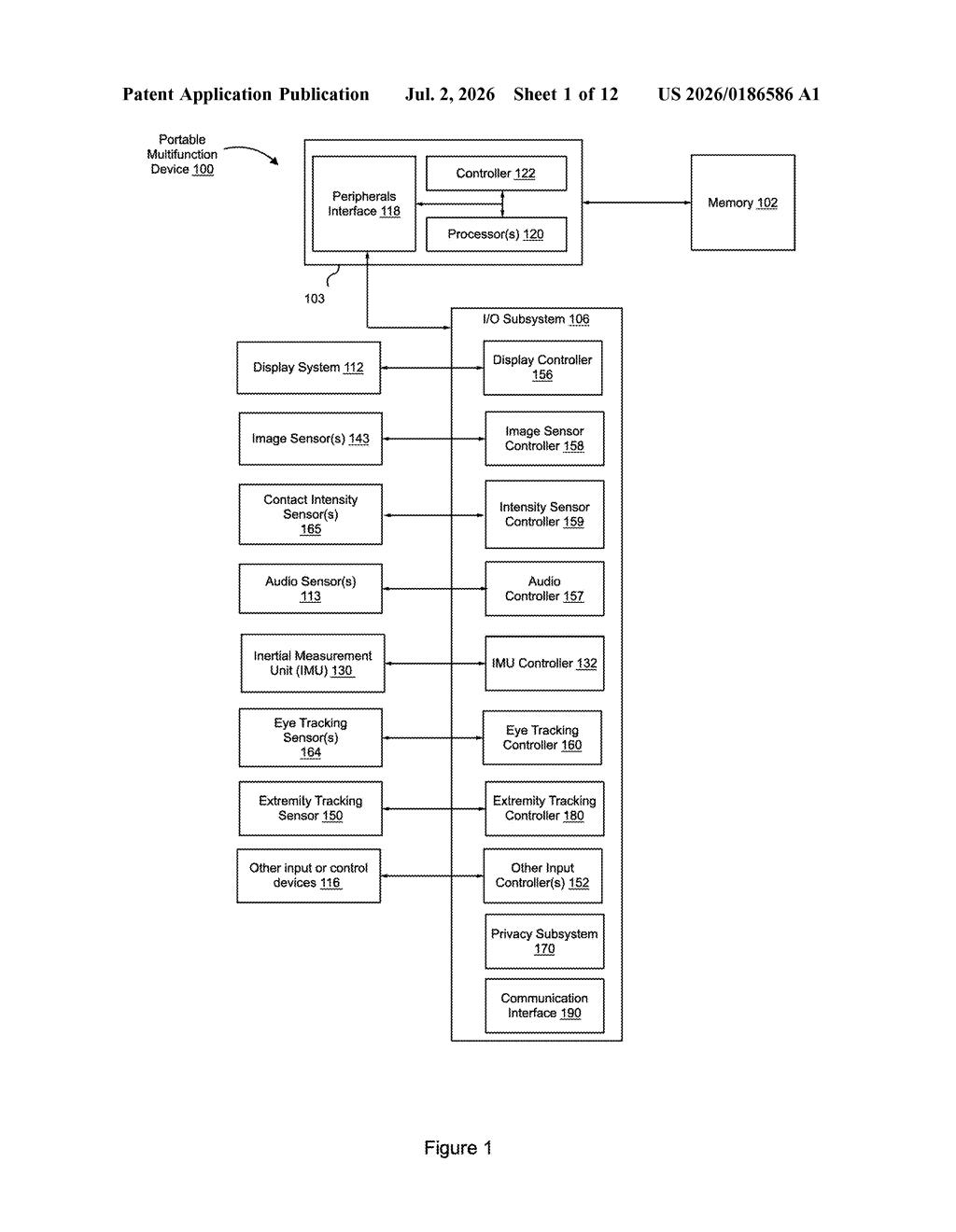
What Apple's touch-triggered stylus tracking actually does
Imagine you're drawing with a digital pen on an iPad. While your pen is hovering in the air above the screen, the device needs to track where it is in three directions: left-right, up-down, and how far away it is from the screen. That last one, the depth, matters while the pen is floating.
But the moment your pen actually touches the surface, the depth question answers itself. The pen is on the screen, full stop. Apple's patent describes a system that detects that contact and immediately switches to a simpler, more focused tracking mode that drops the depth measurement entirely.
The idea is that by shedding work the device no longer needs to do, the system can concentrate its resources on the measurements that still matter, such as the precise angle and position of your pen on the surface. It's a small change in approach, but precision tools live and die by small changes.
How the system drops depth tracking on contact
The patent describes a two-phase tracking system for a paired peripheral input device (think Apple Pencil or a similar stylus paired with a host device like an iPad).
Phase one is standard hover tracking. The device monitors the stylus using a full set of positional degrees of freedom (the number of independent ways an object can move in space). In three-dimensional space that means tracking position along three axes, including depth, the distance between the pen tip and the screen.
Phase two kicks in when the system determines that a contact criterion has been met, meaning sensor data from the stylus confirms it is touching a physical surface. At that point, the device drops to a reduced set of positional degrees of freedom that excludes depth determination entirely. Depth is now a known constant, so measuring it is redundant.
The patent does not specify exactly which sensors trigger the criterion, but the language covers any sensor data from the peripheral itself, which could include pressure sensors, capacitive contact detection, or accelerometer readings. The host device's processor makes the mode-switch decision based on that incoming data, without requiring any manual input from the user.
What this means for Apple Pencil precision
For everyday Apple Pencil users, this is the kind of under-the-hood change that could tighten up line accuracy and responsiveness when drawing or writing. Tracking systems have a finite amount of computational attention. When contact with a surface is confirmed, dropping a now-unnecessary variable means the remaining calculations can be done faster or with more precision.
More broadly, this patent fits into Apple's longer pattern of making the Apple Pencil feel less like a Bluetooth accessory and more like a physical extension of the display. If the device knows exactly what state the pen is in and adapts its tracking accordingly, the gap between a real pencil on paper and a digital one on glass gets a little smaller.
This is genuinely thoughtful low-level engineering. The insight that depth tracking is wasteful the moment the pen hits a surface is obvious in retrospect, which is usually the mark of a good idea. Whether it produces a noticeable improvement in the next Apple Pencil is impossible to say from the patent alone, but the logic is sound and the approach is clean.
Get our take in your Top Stories
Liked this breakdown? Add Patentlyze as a preferred source on Google, and our plain-English take shows up more often in your Top Stories the next time Apple patent news breaks.
There are more where this came from
We read every patent application Big Tech publishes and send you the ones worth knowing. Plain English, free, every week.
Want this weekly breakdown for a company we don't cover? Patentlyze Pro →