
Google Patents a System That Keeps 3D Surround Sound Smooth When Your Wireless Connection Struggles
Spatial audio sounds great until your Bluetooth wobbles and the sound cuts out. Google's new patent describes a system that switches headphones to a safer audio mode before you ever notice a problem.
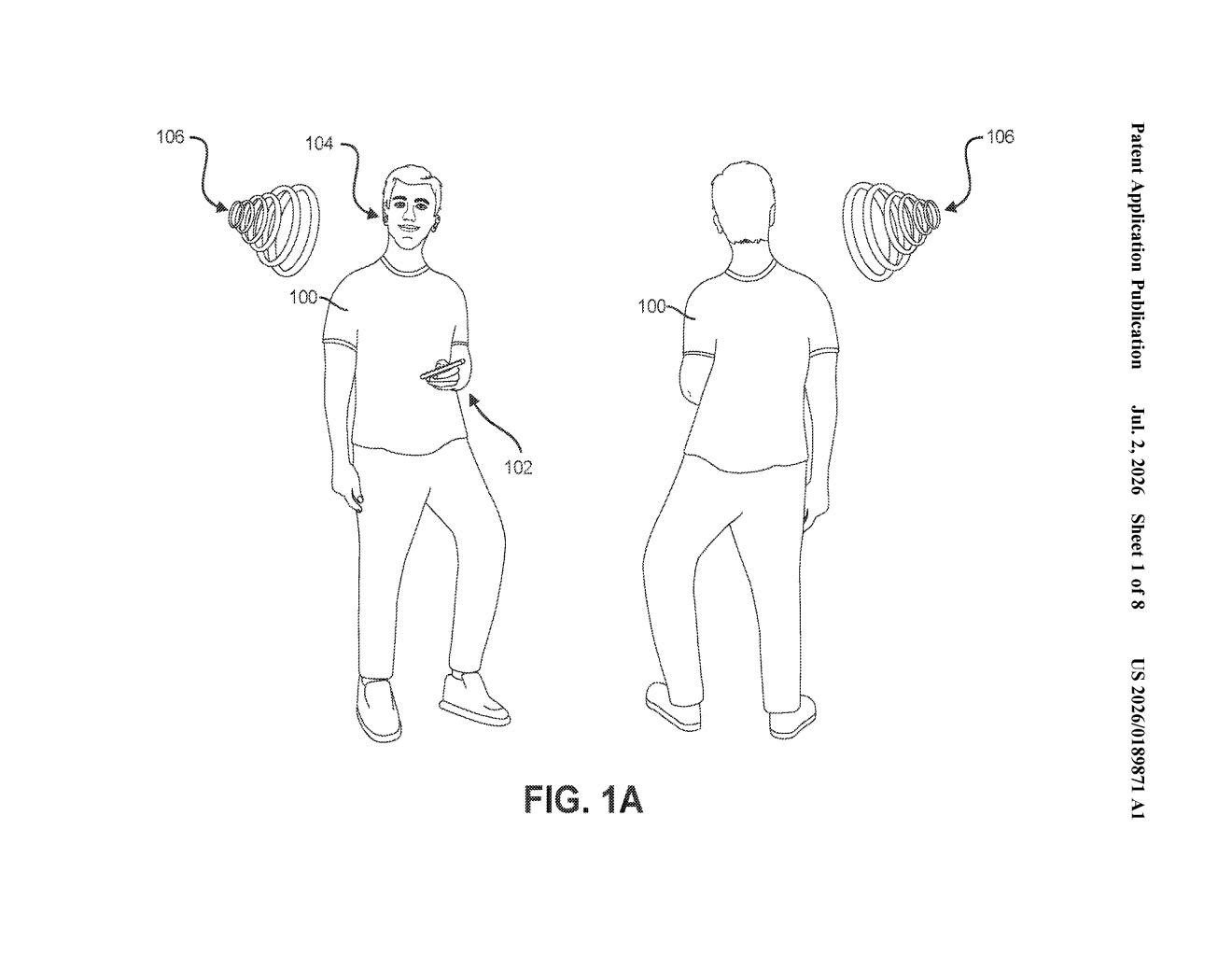
What Google's spatial audio fallback actually does
Imagine you're watching a movie on your phone with wireless earbuds that support spatial audio, the kind that makes sound feel like it's coming from around you rather than just inside your head. It sounds impressive, but that effect requires your phone and earbuds to stay in tight sync. If anything disrupts the connection even briefly, the audio can glitch or drop.
Google's patent describes a system designed to prevent that. When your earbuds are working well, the phone sends audio in a mode that keeps the buffer (the small stash of audio your earbuds hold in reserve) very small, which keeps the sound tightly synced with what's on screen. If the system detects something going wrong, like a weak signal or battery strain, it automatically switches to a simpler audio mode and tells the earbuds to hold more audio in reserve.
The result is that you get the best possible audio when conditions allow, and a graceful fallback when they don't, all without you having to touch a setting.
How the buffer-switching logic handles the mode change
The patent describes a method for managing two distinct audio transmission modes over a wireless link (think Bluetooth between a phone and earbuds).
In dynamic spatial audio mode, the sending device (your phone or tablet) keeps the buffer on the playback device deliberately small. A smaller buffer means the audio arrives and plays back faster, which is necessary for head-tracking spatial audio to feel convincing. If you turn your head and the sound takes too long to adjust, the illusion breaks.
When the system detects a qualifying condition (the patent describes things like the state of the audio playback device, which could include connection quality, battery level, or processing load), it switches to basic audio mode. In this mode, the buffer on the earbuds is set to hold more audio in reserve. A larger buffer gives the connection more breathing room to recover from interference without causing an audible dropout, at the cost of tighter sync.
The key engineering idea here is that the buffer size is adjusted dynamically as part of the mode switch, not just the audio encoding format. The system actively tells the playback device how much audio to pre-load, which is a more complete solution than simply sending a different audio stream.
What this means for wireless headphone listeners
For anyone who uses wireless earbuds for video or gaming, audio sync is a persistent, low-grade annoyance. Spatial audio makes the sync requirement even stricter, which is why some devices disable it automatically in certain conditions. A system that manages the tradeoff automatically rather than forcing you to toggle settings manually is a real usability improvement.
For Google, this patent fits directly into its Pixel Buds product line and the broader Android audio stack. If this logic were implemented at the platform level, any Android device and compatible earbuds could benefit. It also signals that Google is thinking carefully about making spatial audio reliable enough for everyday use, not just a demo feature.
This is a practical, unglamorous patent that solves a real problem. Spatial audio on wireless earbuds is only useful if it stays stable, and the buffer-management approach described here is a sensible way to protect the experience without burdening the user with manual controls. It's worth watching if you follow the Pixel Buds ecosystem.
Get our take in your Top Stories
Liked this breakdown? Add Patentlyze as a preferred source on Google, and our plain-English take shows up more often in your Top Stories the next time Google patent news breaks.
There are more where this came from
We read every patent application Big Tech publishes and send you the ones worth knowing. Plain English, free, every week.
Want this weekly breakdown for a company we don't cover? Patentlyze Pro →