
Google Patent Reveals Scored Social Media Posts May Appear in Search Results
Google is exploring a system that would pull in posts from social platforms and rank them alongside regular web results. The twist is that social content would go through a separate scoring step before it earns a spot on the results page.
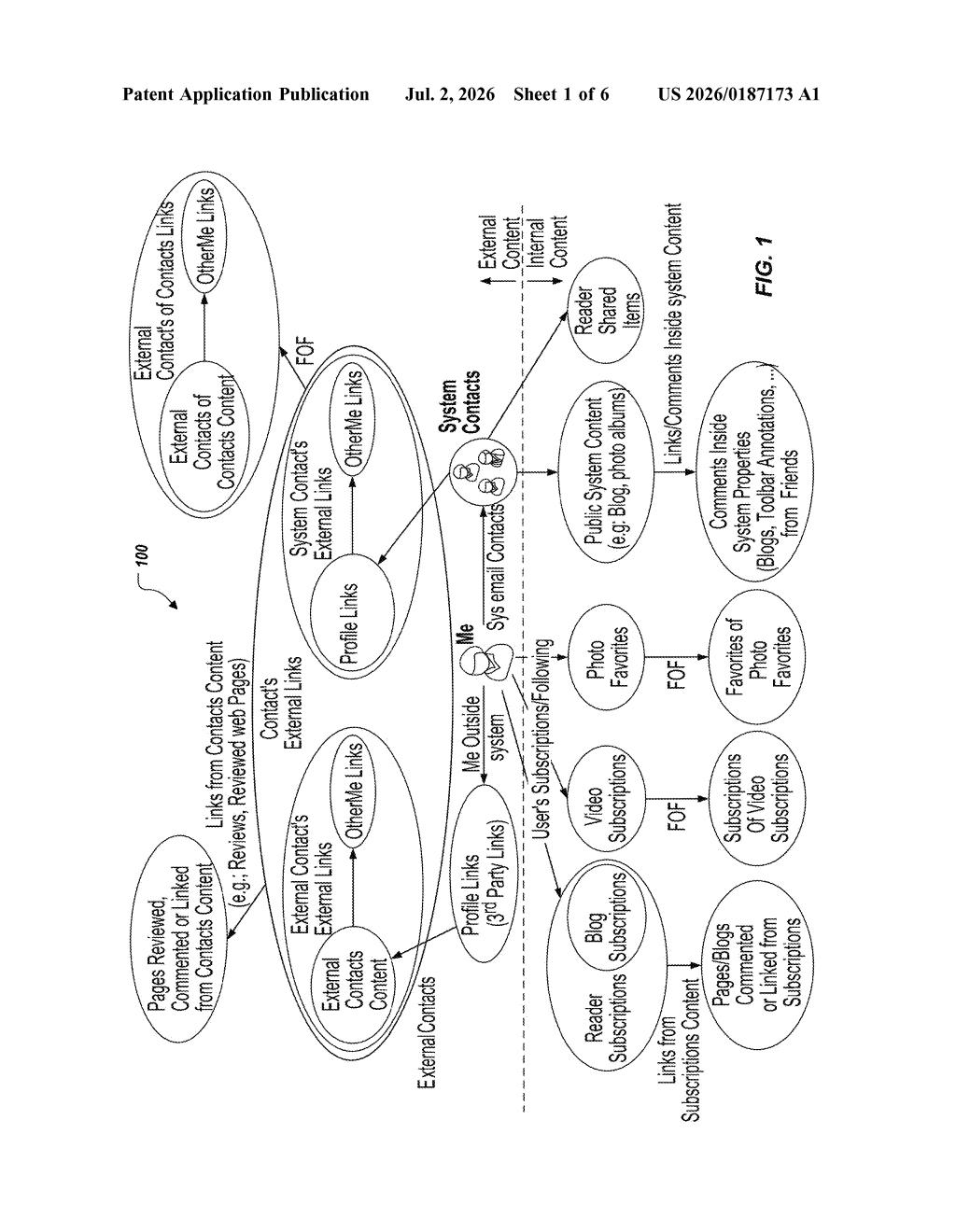
How Google would blend social posts into your search
Imagine you search for "best ramen in Chicago" and instead of only seeing blog posts and Yelp pages, you also see a Reddit thread or an Instagram caption from someone who visited last week. That's the direction this patent points toward.
Google's system would collect potential results as usual, then specifically identify which ones came from social platforms. Those posts get evaluated with a set of quality scores before Google decides whether they're good enough to show you alongside standard web results.
The goal appears to be giving you fresher, more human-voiced content without flooding your results with low-quality social noise. Only social posts that clear a scoring threshold would make the final cut.
How Google scores social content before surfacing it
The patent describes a pipeline with a few distinct steps:
- Query intake: Google receives your search query and identifies a pool of candidate results as it normally would.
- Social content detection: Within that pool, the system flags content that came from "computer-implemented social services" (think Reddit, YouTube, social networks, or similar platforms where users post directly).
- Scoring: Each piece of user-generated content receives one or more scores. The patent doesn't define exactly what those scores measure, but the implication is signals like quality, relevance, or trustworthiness.
- Threshold decision: Based on those scores, the system decides whether the social content clears the bar for inclusion in your final results page.
- Blended output: The results sent back to your browser combine traditional web results with whichever social posts made the cut.
The key technical move here is treating user-generated content as a separate class with its own scoring pass, rather than running all content through a single unified ranking model. That separation gives Google more control over how much social content surfaces and under what conditions.
What this means for social platforms and searchers
Social content has become one of the more searched-for formats online. Many people add "reddit" or "tiktok" to their search queries specifically to find firsthand opinions rather than SEO-optimized articles. This patent suggests Google wants to capture that behavior natively, without users having to work around its results.
For social platforms, it cuts both ways. More Google exposure could drive traffic, but it also means their content gets indexed and scored by Google's criteria. For you as a searcher, it could mean less friction when you want real opinions, though the quality of what surfaces will depend entirely on how well that scoring system works.
This is a sensible, unsexy piece of search infrastructure. The real story isn't the blending of social content into results (Google already does versions of this) but the explicit scoring gate that keeps low-quality social posts out. Whether that gate is tight enough to be useful is an execution problem, not a patent problem. Worth tracking as a signal of where Google sees search behavior heading.
There are more where this came from
We read every patent application Big Tech publishes and send you the ones worth knowing. Plain English, free, every week.
Want this weekly breakdown for a company we don't cover? Patentlyze Pro →
Be the first to weigh in