
Google Patents a System That Lets Apps Request Services in Plain English
Right now, when one app wants to talk to another, a developer has to write exact, unforgiving instructions in a specific format. Google is patenting a system that lets apps just describe what they want, and an AI figures out the rest.
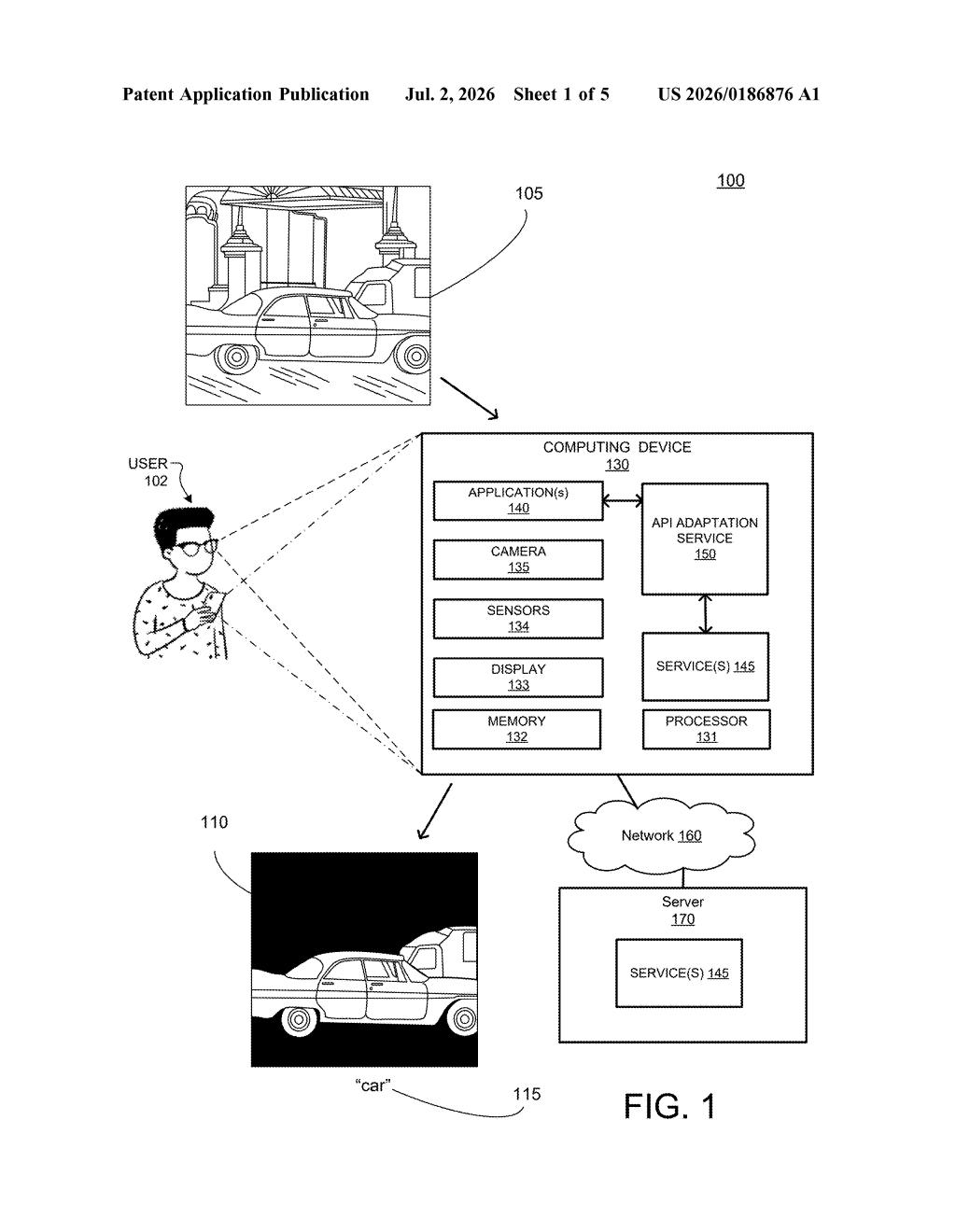
What Google's plain-language API system actually does
Imagine you need directions and instead of opening a map app, typing an address, and hitting search, you could just say 'get me to the nearest coffee shop.' That's the basic idea here, but for how apps talk to each other behind the scenes.
Today, when a piece of software needs something from another service (say, a weather reading, a translation, or a database lookup) it has to send a very precise, formally structured request. One wrong character and the whole thing breaks. Google's patent describes a system where an app can describe what it needs in a loose, flexible way, even plain English, and an AI model converts that into the exact technical request the target service needs.
The result is that apps don't need to be pre-programmed with rigid instructions for every service they might ever contact. The AI layer acts as a universal translator, making the connection on the fly.
How the generative model translates requests into API calls
The patent describes what Google calls an adaptation service, a middleware layer that sits between an application and whatever external service that application wants to reach.
Instead of an app sending a hard-coded, syntactically exact request (an API call, which is the standard way software talks to other software), the app sends a service description. That description can be written in natural language, a loose schema, or any other format the app finds convenient.
The adaptation service passes that description to a generative model (an AI similar to the kind that powers chatbots). The model does two things:
- Figures out which service the app is trying to reach, based on the description
- Writes a properly formatted API call that the target service will actually accept
The target service receives a normal-looking API call, responds with data, and that response goes back to the app. The app never had to know the exact technical syntax required. The generative model handled the translation invisibly.
What this means for how apps talk to each other
The big headache in software development today is that every API is different, and they change over time. When a service updates its API, every app that talks to it potentially breaks. Google's system shifts that burden from developers writing rigid code to an AI that can adapt on the fly, which could mean far fewer integration failures and far less maintenance work.
For you as a user, the practical upside is apps that are more reliable and more capable of connecting to new services without waiting for a developer to manually update the integration. For Google, this kind of AI-mediated infrastructure layer fits squarely into its broader push to embed generative AI into the operating system and cloud platform levels, not just consumer-facing products.
This is a real infrastructure bet, not a flashy consumer feature. If it works at scale, it attacks one of the most tedious and expensive parts of software development: keeping app-to-service integrations alive as APIs evolve. Google is essentially proposing to replace a whole category of developer busywork with an AI shim, and that's worth paying attention to.
Get our take in your Top Stories
Liked this breakdown? Add Patentlyze as a preferred source on Google, and our plain-English take shows up more often in your Top Stories the next time Google patent news breaks.
There are more where this came from
We read every patent application Big Tech publishes and send you the ones worth knowing. Plain English, free, every week.
Want this weekly breakdown for a company we don't cover? Patentlyze Pro →