
Google Patents a System That Uses AI to Read Websites and Profile the Companies Behind Them
Google has filed a patent describing a system that feeds an entire website into an AI, which then reads the pages and writes a summary profile of the organization behind the domain. It's not just scraping text, the AI interprets and synthesizes what it finds.
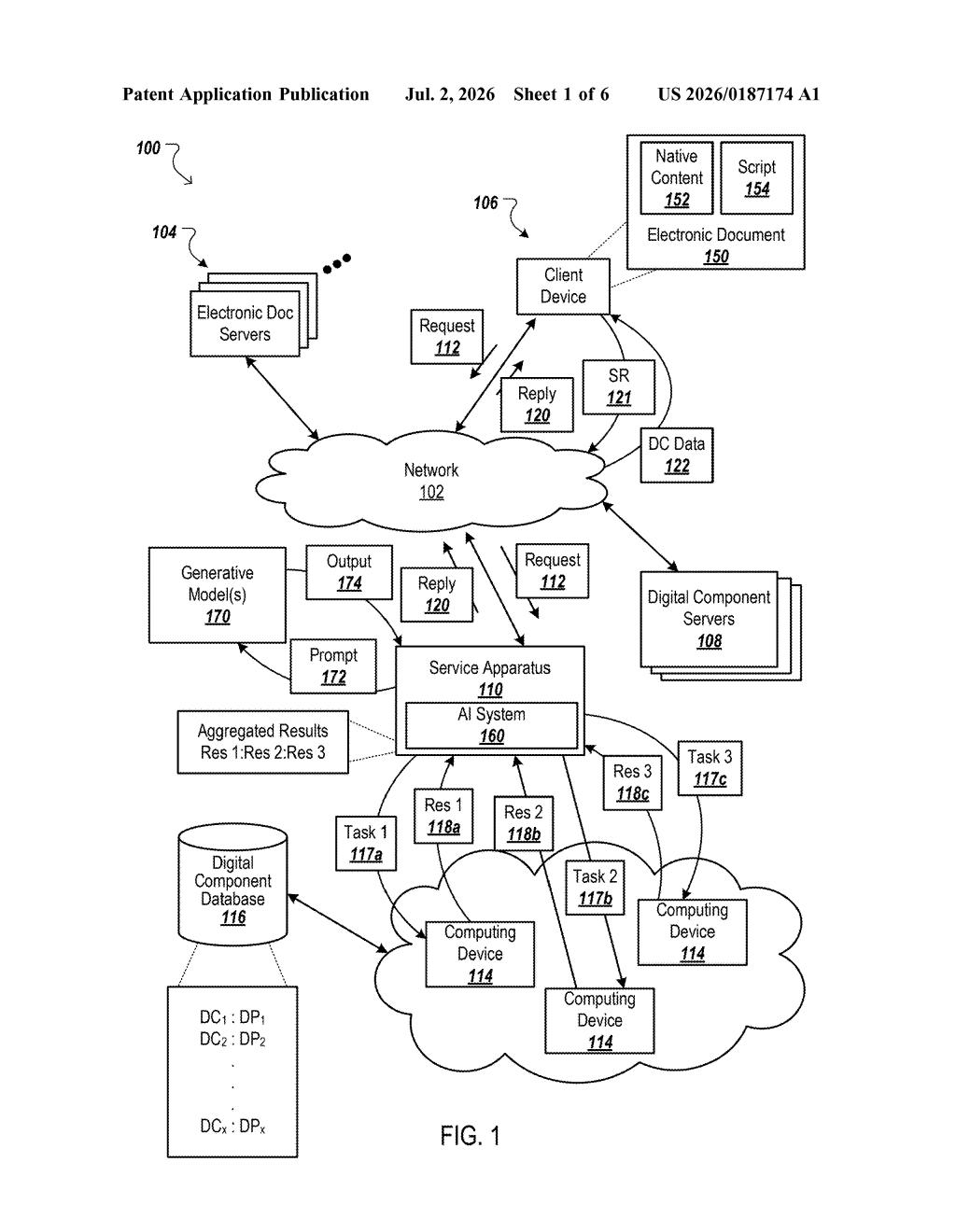
What Google's AI website-profiling system actually does
Imagine you're trying to quickly understand what a company does. Instead of reading every page of their website yourself, you hand the job to an AI assistant that crawls all the pages and writes you a clear summary. That's the core idea here.
Google's patent describes feeding a website's pages into a large language model (the same kind of AI behind tools like ChatGPT). The AI reads pages that might be formatted differently from one another, such as a product page versus a blog post, and pulls relevant information from each. Then it combines what it found and writes a description of the business or organization.
The key detail is that the output is an interpretation, not just copy-pasted text. The AI is supposed to actually understand and characterize the entity, not just quote lines back at you. Google likely sees this as a way to automatically build or update its knowledge of businesses and organizations across the web.
How the LLM pulls and interprets pages across a domain
The system starts by receiving a domain name to investigate and identifying the entity (a business, organization, or other party) associated with it.
- It crawls the domain and retrieves multiple web pages.
- It feeds those pages into an AI system built around a large language model (LLM), a type of AI trained to read, understand, and generate text.
- The LLM extracts content from different pages, even when those pages use different formats. A structured product listing and a freeform press release, for example, would each be handled appropriately.
- Finally, the system generates a characterization of the entity: a synthesized, interpreted description based on everything it extracted.
The patent specifically states the output must be an interpretation rather than a verbatim copy of the source material. That distinction matters because it signals the AI is doing real comprehension work, not just text extraction.
The result is sent to either a display or another data processing system, suggesting it could feed into a database, a search index, or a downstream analytics tool.
What this means for Google Search and business data
Google's ability to understand what a website is about sits at the heart of search ranking, local business listings, and its Knowledge Graph (the information panels you see when searching for a company). A system that uses an LLM to automatically read and characterize any domain could let Google keep that knowledge fresher and more accurate, across far more businesses than manual review allows.
For businesses, this raises real questions about how Google's AI interprets their websites. If the system profiles your company based on what your pages say, the accuracy and completeness of your website content becomes even more consequential than it already is.
This is a practical, unglamorous filing that does something Google clearly needs: an automated, AI-driven way to read websites and understand the organizations behind them at scale. It won't make headlines the way a consumer product would, but it slots neatly into Google's core business of knowing what's on the web.
Get our take in your Top Stories
Liked this breakdown? Add Patentlyze as a preferred source on Google, and our plain-English take shows up more often in your Top Stories the next time Google patent news breaks.
There are more where this came from
We read every patent application Big Tech publishes and send you the ones worth knowing. Plain English, free, every week.
Want this weekly breakdown for a company we don't cover? Patentlyze Pro →