
Google's New Patent Fixes the Step Where AI Misreads Your Documents
When an AI assistant gives you a wrong answer because it misread a report, the problem often starts at the index. Google's latest patent targets exactly that step, before the AI even begins to answer.
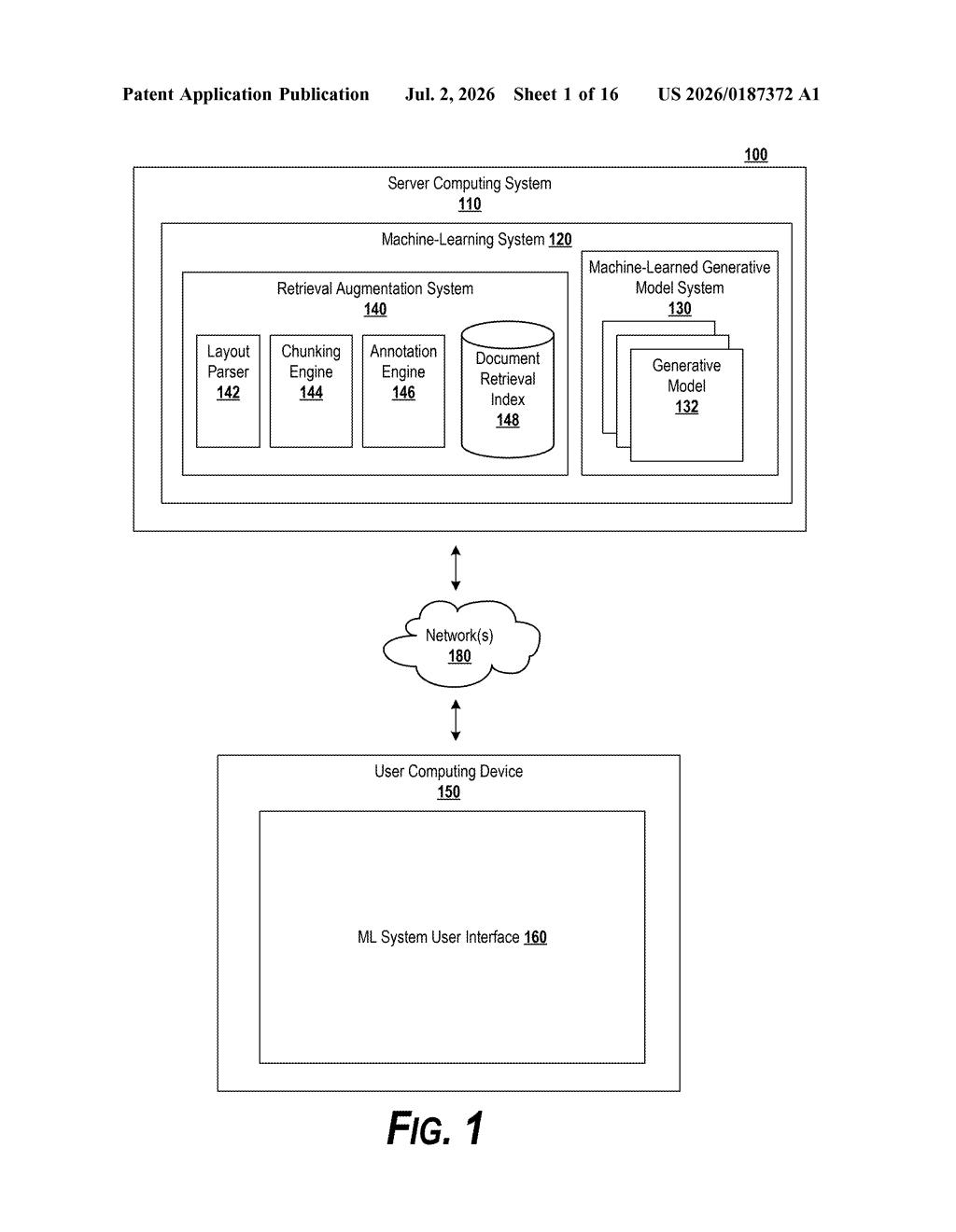
What Google's document-chunking system actually does
Imagine asking an AI assistant a question about a long PDF report, and it confidently gives you the wrong answer because it grabbed a sentence out of context. That frustration is a known weak spot in AI systems today, and Google is filing a patent aimed at fixing it before the AI ever opens its mouth.
The idea is to break documents apart more carefully before storing them. Instead of slicing a file into random chunks of text, Google's system reads the document's structure (think: headings, sections, sub-sections) and uses that layout to decide where the cuts should go. It then adds extra notes, called annotations, to each chunk so the AI has more context when it retrieves a piece later.
The result is a tidier filing system for the AI's "memory." When you ask a question, the system can pull a more relevant, better-labeled piece of text rather than a fragment that happens to contain the right words but lacks the surrounding meaning.
How Google parses, chunks, and annotates each document
The patent describes a pipeline for building an index used in retrieval augmented generation (RAG) systems. RAG is the technique behind many enterprise AI tools: instead of relying purely on what a model memorized during training, the AI looks up relevant text from a document store at query time, then generates an answer based on what it finds. The quality of that lookup depends heavily on how well the documents were indexed in the first place.
Google's method starts by parsing each document into a hierarchical representation, meaning the system maps out the document's structure using a layout schema (a defined set of rules about what counts as a section, a heading, a table, a caption, and so on). This is more structured than simply splitting text every N words.
From that structural map, the system generates document chunks: discrete, retrievable units of text that respect the document's natural boundaries rather than cutting across them arbitrarily. A chunk might correspond to a section, a table, or a captioned figure.
Critically, the system also generates annotations for each chunk. An annotation is extra metadata attached to a piece of text, such as a summary, a label indicating what type of content it is, or a note about where in the document it came from. These annotations give the retrieval model more signal when deciding which chunk best answers a query.
- Parse document structure using a layout schema
- Divide into semantically meaningful chunks
- Attach annotations with additional context
- Store everything in a retrieval index for AI lookup
What this means for AI search and enterprise tools
RAG systems are increasingly the backbone of enterprise AI tools, from internal knowledge bases to customer-service bots to legal research platforms. The bottleneck in most of these systems is not the AI model itself but the quality of the index it searches. Poorly chunked or unannotated documents produce AI answers that sound confident but miss the point, which is a real liability in professional settings.
If Google folds this approach into its Vertex AI or NotebookLM platforms, enterprise customers uploading large document libraries could see meaningfully better retrieval accuracy without changing the underlying AI model at all. For anyone evaluating Google's AI tools against competitors, this kind of infrastructure detail is where the real performance gap tends to live.
This is unglamorous infrastructure work, but it matters. The difference between a useful AI assistant and an annoying one often comes down to exactly this step: how carefully documents are prepared before the AI touches them. Google filing a structured patent here suggests it is taking RAG quality seriously as a competitive differentiator in the enterprise market, not just a background implementation detail.
Get our take in your Top Stories
Liked this breakdown? Add Patentlyze as a preferred source on Google, and our plain-English take shows up more often in your Top Stories the next time Google patent news breaks.
There are more where this came from
We read every patent application Big Tech publishes and send you the ones worth knowing. Plain English, free, every week.
Want this weekly breakdown for a company we don't cover? Patentlyze Pro →