
Meta's New Patent Lets Your Phone Download Posts Before You Scroll to Them
Meta has patented a system where a server sends your device a quiet heads-up about content before you scroll to it, letting your phone start downloading while the app is still figuring out how to display it.
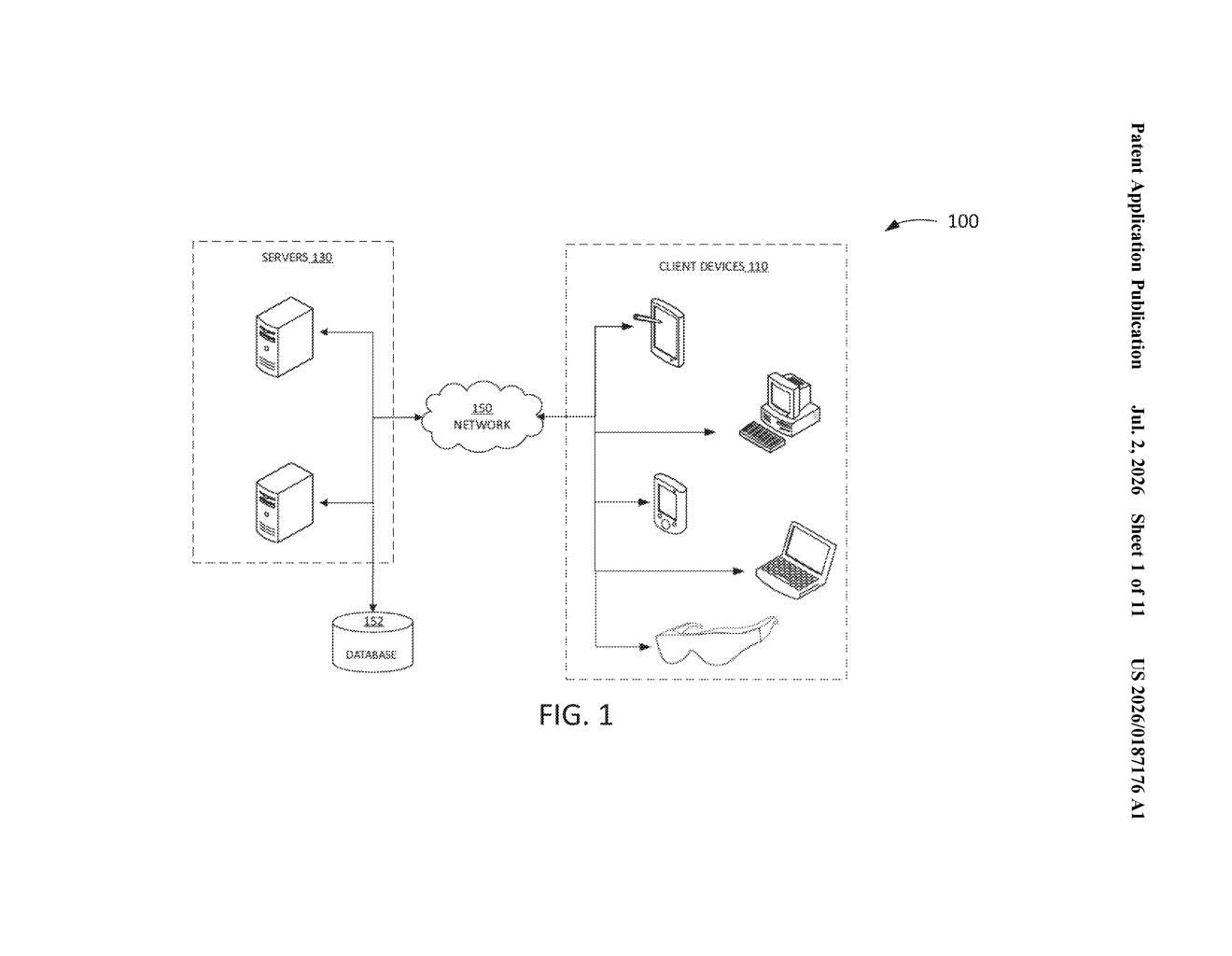
How Meta's early-download trick cuts your wait time
Imagine a waiter who brings your food to the table before you've even finished ordering, because they spotted what you were pointing at on the menu. Meta's patent works on a similar idea: instead of waiting until your phone knows exactly what to show you, a server sends a quick tip early on that says, in effect, "this piece of content is coming, and here's where to find it."
Your device uses that tip to start fetching the actual content right away, from a separate server where it lives. A moment later, when the main server sends the full instructions for how to display it, the file is already there waiting. The app puts it together and shows it to you with barely any delay.
The practical result is that things like videos or photos in your feed could appear faster because the two steps (grabbing the file and getting the display instructions) happen in parallel instead of one after the other.
How the hint-and-fetch sequence actually works
The patent describes a two-step communication flow between a client device (your phone or headset) and a pair of servers.
Step one is the "hint": a first server sends a message ahead of time containing a URL (the web address of a piece of content). The device parses that hint and immediately begins downloading the actual content from a second server at that address.
Step two is the metadata: the first server follows up with the full instructions needed to display the content (things like layout, captions, or rendering parameters). Because the file itself was already being downloaded in the background during step one, both pieces arrive close together.
The key insight is parallelism. In a normal flow, a device waits to receive all instructions before it fetches a file. Here, the "hint" decouples the fetch from the display logic, so the two network operations overlap in time. The patent covers the receiving, parsing, downloading, and display steps as a unified method, and applies broadly to any content type the hint system can reference.
What this means for Instagram and Facebook load speeds
For Meta's platforms (Instagram, Facebook, and its Quest VR headsets in particular), shaving even a fraction of a second off how fast content loads has a measurable impact on how long people stay in the app. This kind of pre-fetching technique is especially useful in VR and AR environments where a slow-loading image or video can break the sense of presence entirely.
For you as a user, the benefit is invisible by design: things just load faster. The interesting detail here is that Meta is applying this at the server-hint level, which means it could work across many content types and surfaces without requiring the app itself to be rebuilt each time.
This is a quiet but practical infrastructure patent, not a flashy product announcement. Pre-fetching content is a well-understood technique across the web, but patenting a specific hint-based protocol with this two-server split is a real engineering approach worth watching, especially given how critical low-latency content loading is for Meta's Quest headset ambitions. It's not exciting, but it's the kind of plumbing that actually ships.
There are more where this came from
We read every patent application Big Tech publishes and send you the ones worth knowing. Plain English, free, every week.
Want this weekly breakdown for a company we don't cover? Patentlyze Pro →
Be the first to weigh in