
Nvidia Patents a System That Filters Video Down Before an AI Answers Questions
Asking an AI to answer a question about a two-hour video is slow and expensive because the AI has to sift through thousands of frames. Nvidia's new patent describes a way to let a cheaper, faster filter do that work first.
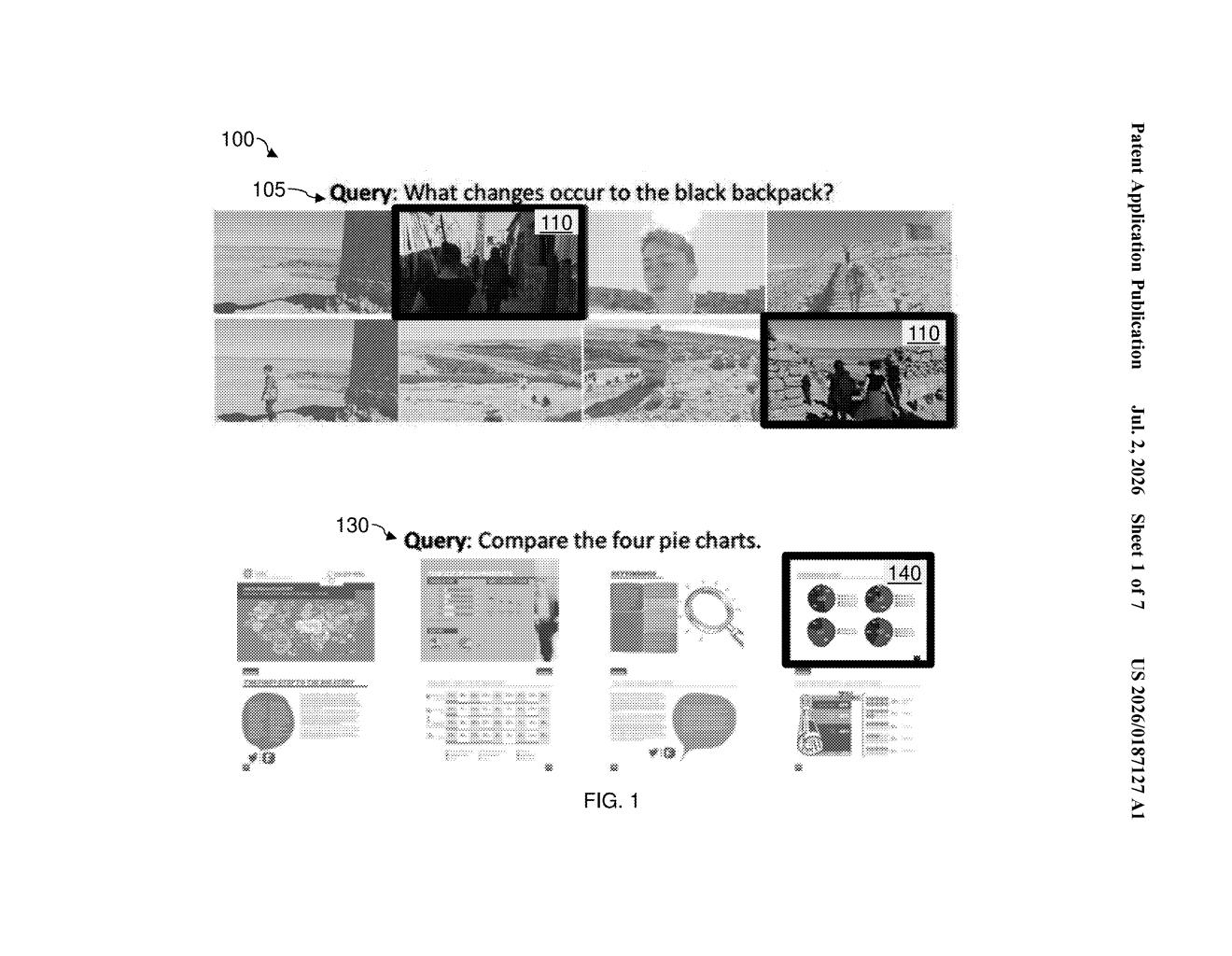
What Nvidia's video-filtering AI actually does
Imagine asking an AI assistant, "At what point in this three-hour conference recording did the speaker mention pricing?" Right now, most AI systems would chew through every single frame of that video before answering you. That takes time and costs real money.
Nvidia's patent describes a two-step approach it calls FRAG. First, a lighter-weight system quickly scores every frame (or page, if you're dealing with a long document) on how relevant it is to your question. Frames that score low get dropped entirely. Only the frames that score above a set threshold get passed to the big, expensive AI model.
The result: the powerful AI only sees the footage that actually matters, so it can give you a faster, more focused answer. Think of it like a research assistant who skims a book and flags only the relevant chapters before handing it to the expert.
How FRAG scores and cuts frames before the AI reads them
The patent describes a pipeline Nvidia calls FRAG (Frame Relevance and Grounding) designed for large multimodal models (LMMs), which are AI systems that can process video, images, and text together.
The pipeline works in two stages:
- Stage 1 - Down-sampling: The raw input (a video, a slide deck, a document) is first reduced using techniques like temporal proximity (dropping frames that are nearly identical to nearby frames) and visual similarity (cutting frames that look the same as others already in the set). This gets the total frame or page count down to a manageable number without discarding anything distinctive.
- Stage 2 - Scoring and selection: A dedicated "long input scorer" evaluates each remaining unit against the user's query and assigns it a relevance score. A Top-K parameter (keep the best K results) or a score threshold then filters the list down further to only the most relevant frames or pages.
The surviving set of high-relevance frames or pages is then handed off to the full LMM, which generates a response using only that curated input. The claim covers both video (where data units are frames) and documents (where they are pages), making it a general-purpose filtering layer.
What this means for AI tools that analyze long videos
Processing long videos is one of the most resource-intensive tasks in AI right now. Every extra frame an LMM has to process increases computing cost and response time. A filtering step that reliably drops irrelevant frames before the main model ever sees them could make video-question-answering dramatically cheaper to run at scale, which matters for any AI product built on top of Nvidia's hardware or software stack.
For enterprise users, this kind of efficiency gain translates directly to lower API bills and faster turnaround when querying things like earnings call recordings, training videos, or lengthy product demos. Nvidia is clearly building toward a world where its AI platforms handle very long, unstructured inputs without requiring brute-force processing of every data unit.
This is practical infrastructure work, not a flashy consumer feature, but it solves a real and expensive problem. Nvidia is essentially patenting a smart pre-filter for its AI stack, and given how central video understanding is to enterprise AI right now, this kind of efficiency tooling has a clear path to showing up in products like Nvidia NIM or its cloud AI services.
Get our take in your Top Stories
Liked this breakdown? Add Patentlyze as a preferred source on Google, and our plain-English take shows up more often in your Top Stories the next time Nvidia patent news breaks.
There are more where this came from
We read every patent application Big Tech publishes and send you the ones worth knowing. Plain English, free, every week.
Want this weekly breakdown for a company we don't cover? Patentlyze Pro →