
Samsung Patents a Way to Run Physical Lab Experiments by Writing Code
Imagine writing a script that automatically picks up a piece of lab equipment, runs a test, and hands you back the results, no one physically touching the machine. That's the core idea behind this Samsung patent.
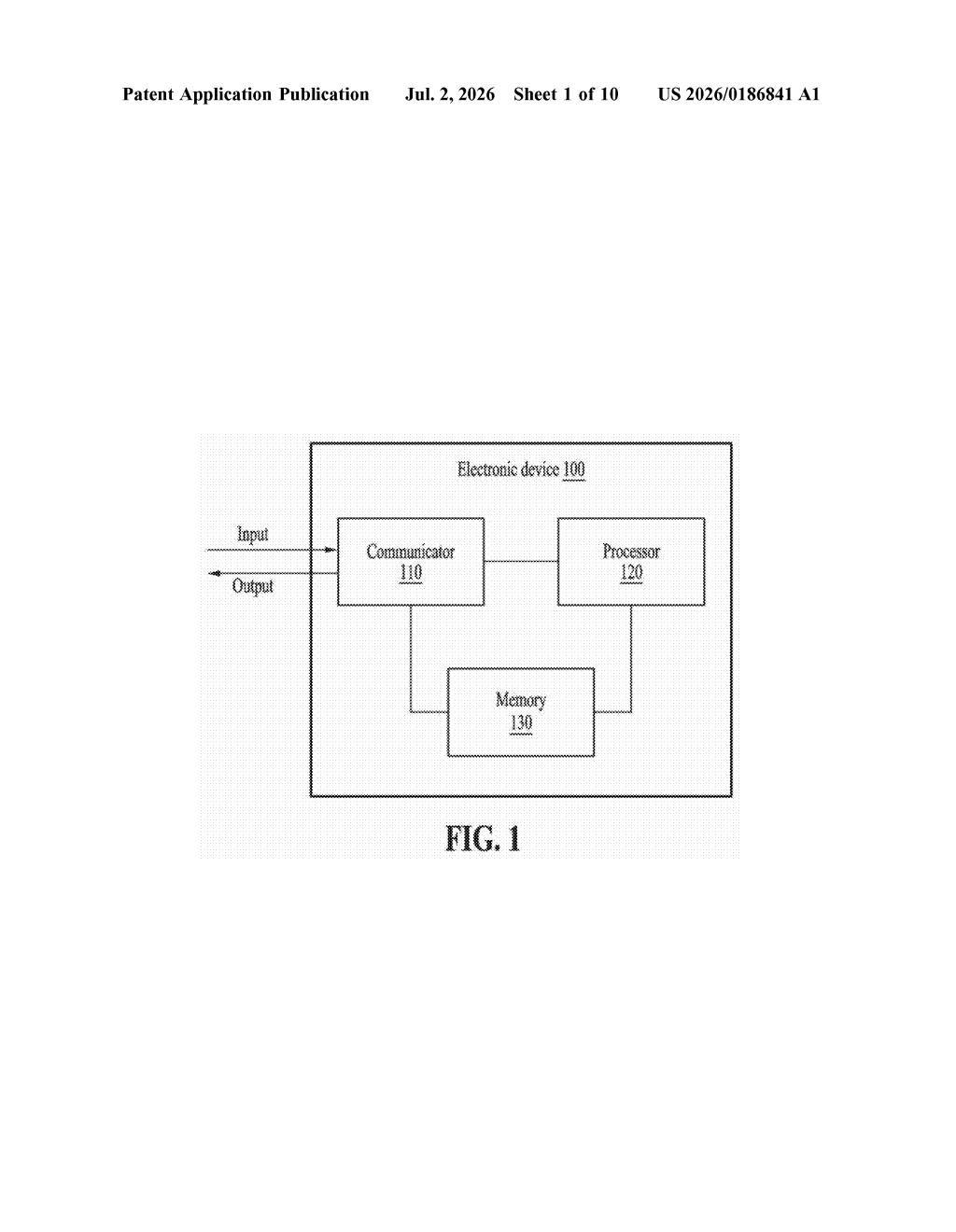
What Samsung's automated lab-control system actually does
Picture a scientist who needs to run dozens of experiments using expensive instruments like signal generators, sensors, or measurement devices. Today, setting up each test usually means manually configuring equipment or writing complicated control software tied to one specific machine. Samsung's patent describes a different approach: a system where you write a program that describes what you want to do with a piece of hardware, and a central device figures out which physical instrument fits the job and sends commands to it automatically.
The program treats each instrument as a variable, almost like a placeholder. You say "I need a device that can measure voltage," and the system finds one, assigns it, and runs your function on it. The results come back to your program just like any other data.
This means a researcher could write one workflow program and run it across different labs or different sets of equipment without rewriting anything. The code stays the same; the hardware just slots in.
How the device translates program requests into hardware actions
The patent describes a two-device setup: a host electronic device (think a laptop or server running the experiment program) and an external electronic device that physically controls the hardware resources, which could be lab instruments like oscilloscopes, power supplies, or test chambers.
The host device reads a target program, a workflow script that defines what an experiment should do step by step. When the program needs a piece of hardware, the host sends a resource assignment request to the external controller, specifying what feature or capability it needs, not a specific machine by name. The external controller finds a matching instrument and reports back.
Once a hardware resource is assigned to a data variable in the program, the host can send function requests through that same variable, telling the external controller to perform operations on that instrument and return results.
- The host device handles program logic and request generation
- The external device handles physical hardware discovery and execution
- Results flow back as standard program data, keeping the workflow portable
What this means for research labs and automation
In research and engineering environments, the cost of reconfiguring test setups for different instruments is real, both in time and in the specialized knowledge required. A system that abstracts hardware behind a programmable interface means teams could share experiment workflows across different facilities or upgrade their equipment without touching the code that runs their tests.
For Samsung, which operates large-scale semiconductor and device testing operations, this kind of programmatic lab automation could reduce friction in R&D pipelines. It also positions Samsung in the broader market for laboratory automation software, where companies like National Instruments have long held ground.
This is a fairly niche patent aimed squarely at research and industrial testing environments, not consumer products. It's a solid engineering idea for anyone running repeatable hardware experiments at scale, but it won't show up in a Galaxy phone. Worth watching if you follow Samsung's semiconductor or enterprise equipment businesses.
Get our take in your Top Stories
Liked this breakdown? Add Patentlyze as a preferred source on Google, and our plain-English take shows up more often in your Top Stories the next time Samsung patent news breaks.
There are more where this came from
We read every patent application Big Tech publishes and send you the ones worth knowing. Plain English, free, every week.
Want this weekly breakdown for a company we don't cover? Patentlyze Pro →