
Samsung Patent Targets Static Electricity Damage in Foldable Display Screens
Foldable phones have a hidden weak spot where the display bends around the frame, and static electricity can fry that edge. Samsung is patenting a fix.
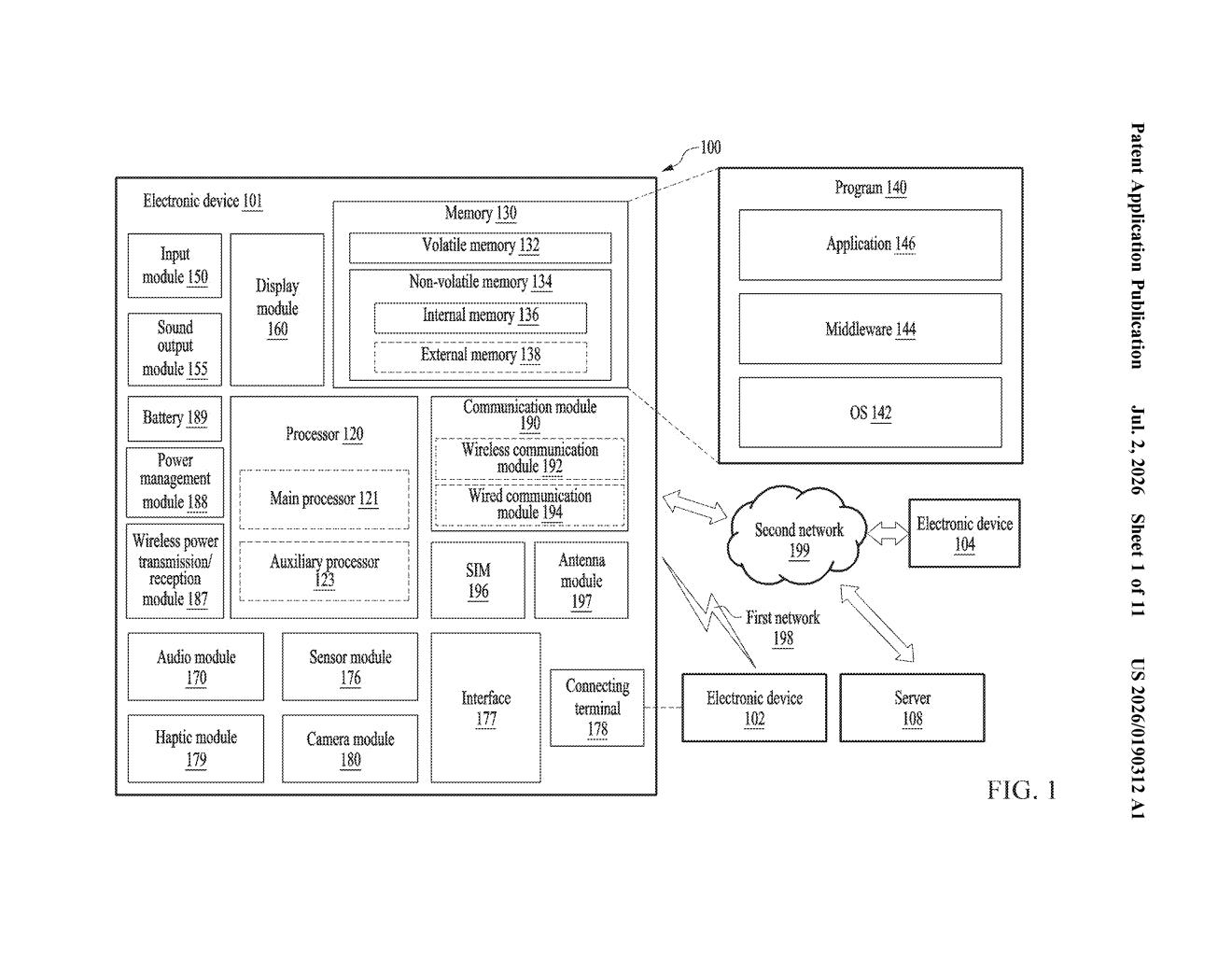
What Samsung's static-protection layer actually does
Imagine you're using a foldable phone and a small static shock, the kind you might not even feel, hits the edge of the screen. On a traditional flat phone, that's rarely a problem. But on a foldable, the display wraps around the inside of the frame, and that curved edge is more exposed and more vulnerable.
Samsung's patent describes a thin conductive (electrically conducting) cover that runs along that wrapped edge of the screen. When static builds up, this cover catches it and channels it safely into the phone's metal frame, away from the delicate display electronics underneath.
The cover also sits at the same height as, or slightly above, the screen surface. That means it acts as a physical shield too, not just an electrical one. It's a small structural detail, but it addresses one of the less-talked-about reasons foldable displays can fail over time.
How the conductive cover routes static away from the display
The patent describes a foldable phone with two connected housings (the two halves you fold). The flexible display has a flat front section that you look at, plus a bent section called a first extension that wraps around the edge and tucks toward the back of the device.
That bent section is where the trouble starts. It overlaps the metal housing but isn't well-protected from electrostatic discharge (ESD), which is a sudden, brief burst of static electricity. ESD can degrade or destroy display circuitry if it jumps through unprotected paths.
Samsung's solution is a conductive cover that runs along that bent display extension. A separate conductive member (essentially a small electrical bridge) connects this cover directly to the phone's metal housing. That creates a deliberate path for static to follow, one that bypasses the sensitive display layers.
Critically, the patent specifies that the top surface of this conductive cover must be at the same height or higher than the display's front surface. That positioning means the cover can absorb both physical contact and any static charge before either reaches the screen edge.
What this means for foldable phone durability
Foldable phones are the most expensive category in Samsung's phone lineup, and their displays are also the most fragile. ESD damage is one of those failure modes that's hard to diagnose and easy to dismiss as normal wear, so a structural fix at the hardware level matters more than it might sound.
If this design makes it into future Galaxy Z Fold or Z Flip devices, it could meaningfully extend display lifespan at the most vulnerable point of the phone's construction. For people spending over $1,000 on a foldable, that's a practical durability improvement worth watching.
This is a narrow, specific engineering patent with no glamour to it, but it's exactly the kind of unglamorous work that determines whether foldables become genuinely reliable everyday devices. Samsung has shipped enough foldable generations to know where displays fail, and this patent targets one of those exact spots.
Get our take in your Top Stories
Liked this breakdown? Add Patentlyze as a preferred source on Google, and our plain-English take shows up more often in your Top Stories the next time Samsung patent news breaks.
There are more where this came from
We read every patent application Big Tech publishes and send you the ones worth knowing. Plain English, free, every week.
Want this weekly breakdown for a company we don't cover? Patentlyze Pro →