
Apple Patents Glasses That Automatically Tighten Their Grip on Your Nose
Apple is working on eyewear that can sense when it's slipping and physically clamp down on your nose to stay in place. It sounds small, but for anyone who has ever lost glasses mid-run or mid-sweat, it's a genuinely practical idea.
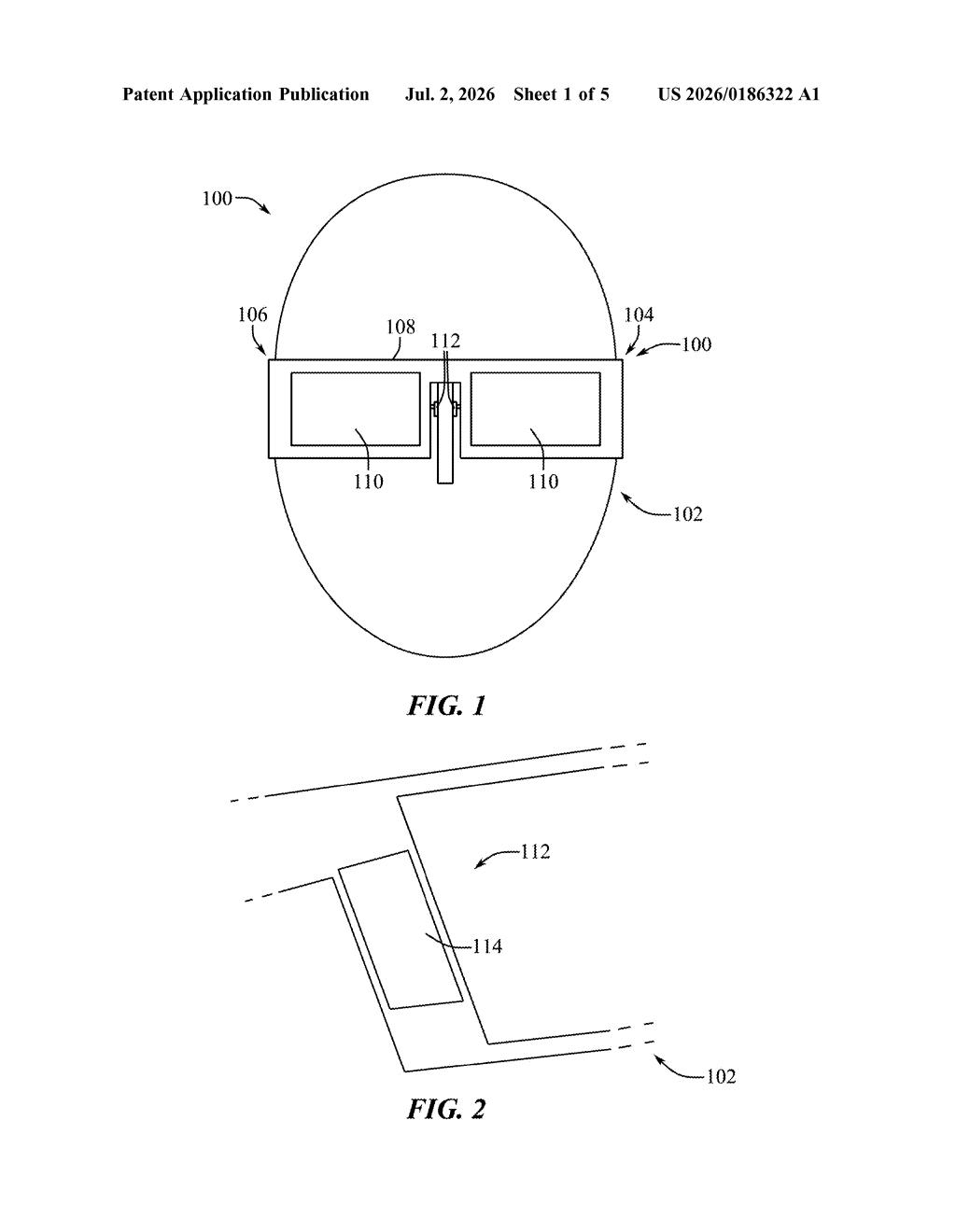
What Apple's auto-gripping nose pad actually does
Picture this: you're on a run, sweating, and your glasses start sliding down your nose. You either stop to push them back up or squint through a blurry lens for the next mile. Apple's patent is trying to fix exactly that.
The design describes a nose pad built into a pair of glasses that can automatically increase its grip when it detects a certain condition, like movement, sweat, or the glasses shifting position. An internal actuator (think of it as a tiny motor or mechanism) engages the gripping system and physically holds the frame more firmly against your nose.
You don't press a button. The glasses sense the situation and respond on their own. It's a small comfort feature, but for prescription glasses, sports eyewear, or even future AR headsets that need to stay perfectly aligned on your face, reliable fit is a real engineering problem.
How the actuator and grip system respond to conditions
The patent describes an eyewear system with a standard lens frame and two arms, but the key innovation is in the nose pad. That pad contains two linked components:
- An adjustable grip enhancement system: a physical mechanism inside the nose pad that can change how firmly it presses against or grips the wearer's nose.
- An actuator: a device that triggers the grip system automatically when a condition is detected (the patent does not specify exactly what that condition is, leaving room for sensors measuring sweat, pressure, acceleration, or frame displacement).
The core idea is that the nose pad is not passive. Instead of a fixed rubber pad, it is an active component that adjusts in response to real-time feedback. When the glasses detect a sensed condition (loosening grip, physical activity, tilting), the actuator fires and the grip enhancement system increases friction or pressure to hold the frame in place.
The patent is deliberately broad about what triggers the system and what the grip mechanism looks like physically, which is typical of early-stage filings that want to protect the general concept before nailing down a specific implementation.
What this means for Apple's glasses ambitions
For ordinary glasses, this might seem like a minor quality-of-life fix. But Apple's interest in eyewear extends well beyond sunglasses. The company has been working on AR glasses for years, and those devices depend on the lenses staying in exact alignment with your eyes to work correctly. A nose pad that slips even a few millimeters can break the optical or sensor calibration entirely.
An auto-adjusting grip system solves a real fit problem for everyday prescription glasses and sports eyewear, and it also lays groundwork for any future product where precise, stable positioning on the face is non-negotiable. That's a much bigger target than keeping your sunglasses on during a jog.
This is a practical useful patent that solves a real annoyance. On its own it would be a nice feature for sports glasses. In the context of Apple's known interest in face-worn computing, it reads more like foundational engineering for a product where optical alignment is critical. Worth watching as a signal, not just a feature.
Get our take in your Top Stories
Liked this breakdown? Add Patentlyze as a preferred source on Google, and our plain-English take shows up more often in your Top Stories the next time Apple patent news breaks.
There are more where this came from
We read every patent application Big Tech publishes and send you the ones worth knowing. Plain English, free, every week.
Want this weekly breakdown for a company we don't cover? Patentlyze Pro →