
IBM Patents a System That Predicts What You're Ready to Learn Next
IBM has patented a learning platform that builds a map of everything a topic covers, tracks which parts you already understand, and uses that history to predict whether you're ready for the next concept before you even try it.
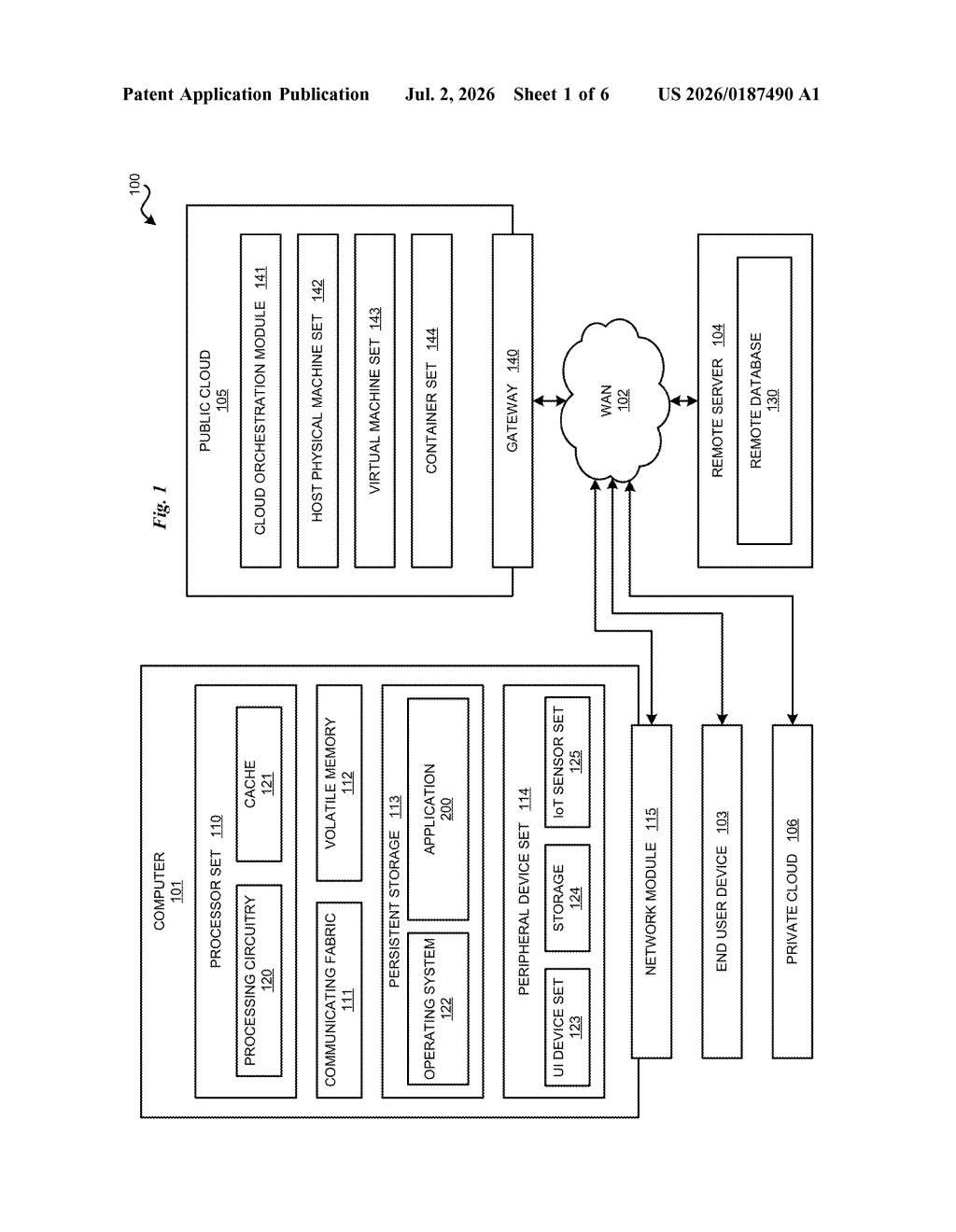
How IBM's learning map figures out your knowledge gaps
Imagine you're learning data analysis at work. Some ideas build on others: you need to understand averages before you can make sense of standard deviation. Most training tools just serve up content in a fixed order and call it done. IBM's patent describes something more responsive.
The system builds a kind of knowledge map of a subject, where every concept is connected to the concepts that come before and after it. As you interact with the material, the system scores how well it thinks you understand each piece, updating that score based on what you've already shown you know about related topics.
When you get something right or wrong, the system adjusts its predictions about what you're likely to understand next. The goal is a training tool that doesn't just move you through a syllabus but actually adapts to your specific gaps, serving up the right material at the right time.
How the knowledge graph scores and updates your understanding
The patent describes a system built around a knowledge base, which is essentially a graph of nodes. Each node represents a concept or entity pulled from a dataset (think: a curriculum, a product manual, or a training corpus). Nodes are connected in a hierarchical relationship, meaning the system knows that some concepts are prerequisites for others.
When the system encounters a concept that isn't yet in the knowledge base, it can create a new node using a familiarity metric, a score derived by traveling through the existing nodes to estimate how well-trodden that conceptual territory already is.
For each node, the system generates a prediction metric for a specific user. This score represents the system's best guess at how well that user understands the concept. Critically, the prediction is seeded using an ancestor node (a prerequisite concept that already exists in the graph), so the system doesn't start from zero when you hit something new.
After you interact with the material and provide feedback (answering questions, completing exercises, and so on), the system adjusts the prediction metric based on your actual responses. The result is a continuously updated model of your understanding that propagates through the knowledge graph.
What this means for corporate training and e-learning tools
Corporate training and e-learning platforms are a large and crowded market, and the core complaint about most of them is the same: they treat every learner identically. IBM's approach, if it performs as described, would let a system skip content you've already mastered and flag gaps you might not know you have, which is the kind of personalization that's easy to promise and hard to actually build.
IBM's existing Watson and enterprise AI portfolio make this a natural fit for its consulting and workforce-development business. For you as a learner, the practical upshot would be a training tool that stops wasting your time on things you know and stops throwing advanced material at you before you're ready.
This is a solid, focused patent covering a genuinely useful idea in enterprise learning. It's not flashy AI, but the hierarchical knowledge graph approach to predicting learner readiness is more principled than the quiz-and-retry loops most corporate LMS platforms rely on. Worth watching to see if it surfaces in IBM's consulting or skills-development products.
Get our take in your Top Stories
Liked this breakdown? Add Patentlyze as a preferred source on Google, and our plain-English take shows up more often in your Top Stories the next time IBM patent news breaks.
There are more where this came from
We read every patent application Big Tech publishes and send you the ones worth knowing. Plain English, free, every week.
Want this weekly breakdown for a company we don't cover? Patentlyze Pro →