
IBM Patents a System That Auto-Upgrades Smart Home Device Chips to Cut Power Use
Managing thousands of smart sensors and connected devices is already a headache — IBM wants a system that handles chip upgrades and power tuning for all of them automatically, without anyone touching the hardware.
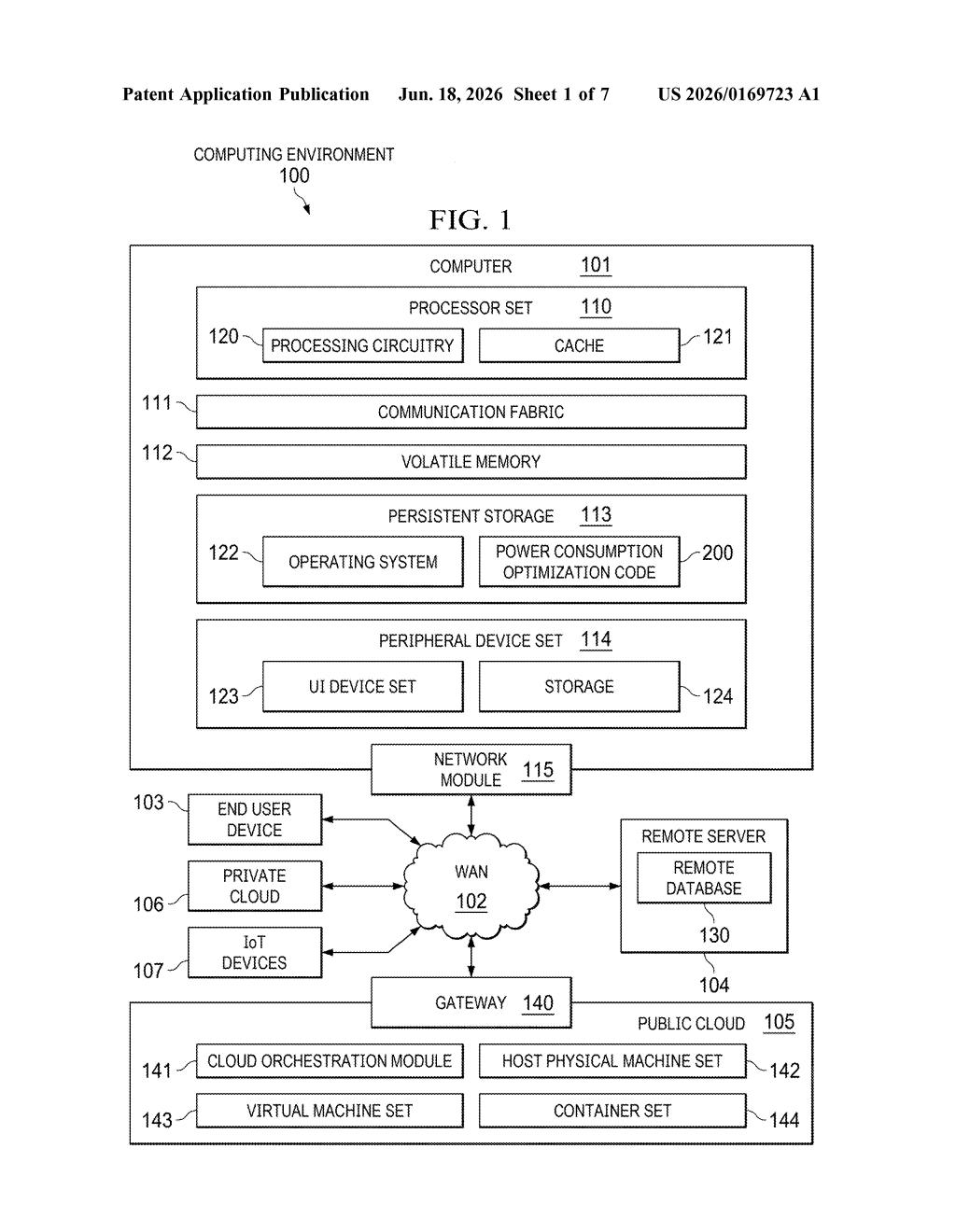
What IBM's automated IoT chip upgrade actually does
Imagine a factory floor with hundreds of connected sensors, thermostats, and cameras — each running on different chips, different software, and drawing different amounts of power. Figuring out how to make all of them more energy-efficient by hand would take an army of engineers.
IBM's patent describes a system that does this automatically. It scans each device's hardware and software specs, runs simulations to find the chip configuration that uses the least power while still doing the job, then pushes the right firmware and settings to each device over the air — no human intervention required.
The whole process is tailored per device, not one-size-fits-all. So your older sensor might get a different configuration than a newer camera on the same network, because the system picked what's actually best for each one individually.
How IBM simulates and picks the best chip configuration
The patent describes a three-stage pipeline for upgrading IoT devices to more power-efficient AI chip configurations.
- Assessment: The system reads the hardware and software specification details of each IoT device on the network and checks whether it qualifies for an AI chip upgrade — essentially building a profile of what each device is currently running and what it can support.
- Simulation: A set of predefined AI chip configurations is tested in a virtual environment using each device's real operational parameters (think: how often it sends data, what sensors it uses, what performance it needs to maintain). The simulation identifies which configuration delivers the lowest predicted power draw while still hitting the required performance benchmarks for that specific device.
- Deployment: Once the best configuration is identified for each device, the system automatically transmits the right firmware updates, driver software, and configuration settings to each device — no manual rollout needed.
The key distinction here is that the upgrade plan is individualized. Each device gets a sequence of actions tailored to its own specs, not a blanket update pushed to everything at once.
What this means for managing large IoT deployments
IoT deployments — think smart building systems, industrial sensors, or retail inventory trackers — often involve thousands of devices that were never designed to be managed at scale. As AI-capable chips become cheaper and more energy-efficient, there's a real incentive to upgrade older hardware, but the logistics of doing that across a large network have historically required significant manual effort.
If this system works as described, it could make large-scale IoT refreshes significantly cheaper to run and easier to maintain. For you as an end user, the most likely payoff is longer battery life on wireless devices and lower energy bills in smart-building environments — but the more immediate audience is IT teams and enterprise operators who manage these networks day to day.
This is a practical, unglamorous patent aimed squarely at enterprise IT pain points — and that's actually a point in its favor. The simulation-before-deployment approach is a sound idea for avoiding bricked devices during mass firmware rollouts. It's not a headline-grabber, but IBM has a long track record of turning this kind of infrastructure work into real products.
There are more where this came from
We read every patent application Big Tech publishes and send you the ones worth knowing. Plain English, free, every week.
Want this weekly breakdown for a company we don't cover? Patentlyze Pro →