
Apple Patents a System That Detects When Your Device Is in a Case and Dials Back Its Radio
Your iPhone already knows when it's in Low Power Mode — Apple's new patent wants it to also know when it's stuffed inside a case, and automatically turn down its radio to avoid signal chaos.
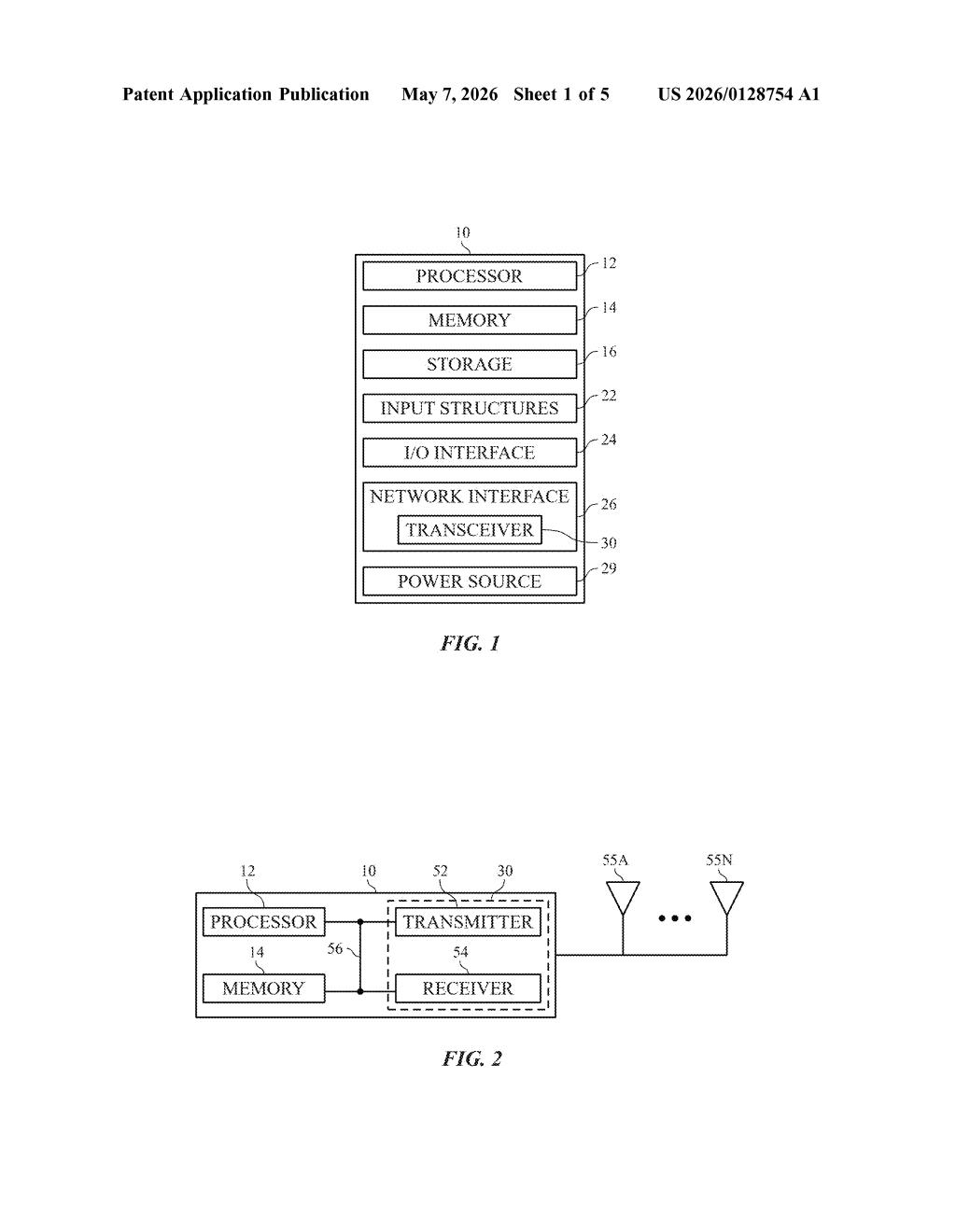
What Apple's VSWR-based case-detection actually does
Imagine you're driving with your phone sitting inside a chunky MagSafe battery case or a smart accessory dock. Both the phone and the case have radios — Wi-Fi, Bluetooth, maybe cellular — and when they're crammed together, those radios can interfere with each other in ways that hurt performance or drain your battery faster.
Apple's new patent describes a smarter way for a device to figure out it's been placed inside another device or enclosure. Instead of relying on a sensor or a manual setting, it uses something called VSWR — a measure of how well your antenna is actually radiating energy into open air. When you slide your phone into a case, that number shifts in a predictable way, and the device can pick up on that signal.
Once it knows it's enclosed, the device can take action automatically — like reducing its transmit power or temporarily turning off a radio — to avoid stepping on the accessory's toes. It's the kind of invisible, behind-the-scenes housekeeping that keeps your wireless experience from getting messy.
How VSWR values signal 'I'm inside an enclosure'
The patent describes a detection-and-response system built around Voltage Standing Wave Ratio (VSWR) measurements. VSWR is essentially a ratio that tells you how much of your antenna's transmitted energy is actually leaving the device versus bouncing back — a high VSWR means the antenna's environment has changed, like being surrounded by a metal or plastic enclosure.
The first device (say, an iPhone or AirPod) continuously monitors VSWR readings at its transceiver. If those readings cross a threshold consistent with being enclosed in a second device, the system flags it as "inside an enclosure." The patent also notes the system can factor in motion data — if the device is moving, it's probably not sitting stationary inside a case, which helps reduce false positives.
Once enclosure is confirmed, the device can execute RF coexistence actions, which include:
- Reducing transmit power (backing off the radio signal strength)
- Deactivating a radio entirely to free up the spectrum for the host accessory
- Adjusting which frequency bands are active
This is all automatic — no user input required. The system is designed to handle the messy real-world situation where two wirelessly capable devices share extremely close physical proximity, which standard RF coexistence protocols (like Bluetooth's frequency-hopping) don't fully address.
What this means for AirPods, MagSafe cases, and RF health
RF coexistence is one of those unsexy problems that quietly degrades wireless performance across millions of devices. When an iPhone sits inside a smart case with its own Bluetooth or NFC radio, both radios are competing in an extremely tight space — and the current approach relies mostly on static power rules baked in at design time, not dynamic real-world awareness.
This patent suggests Apple is building a more adaptive layer into its radio stack — one that responds to the actual physical context of the device rather than predetermined assumptions. For accessory makers in Apple's ecosystem, this could mean better interoperability out of the box. For users, it likely means fewer inexplicable Bluetooth dropouts or sluggish wireless charging sessions when your device is docked or cased.
This is quiet but genuinely useful engineering. Most RF coexistence work happens in chip-level standards negotiations that nobody reads — Apple is instead pushing the logic up into the device firmware where it can respond dynamically to real conditions. That's a meaningful architectural choice, and VSWR is a clever proxy for 'am I enclosed' that doesn't require extra sensors.
Get our take in your Top Stories
Liked this breakdown? Add Patentlyze as a preferred source on Google, and our plain-English take shows up more often in your Top Stories the next time Apple patent news breaks.
There are more where this came from
We read every patent application Big Tech publishes and send you the ones worth knowing. Plain English, free, every week.
Want this weekly breakdown for a company we don't cover? Patentlyze Pro →