
Meta's New Patent Keeps AR Glasses Running Smoothly When Your Signal Drops
Meta is patenting a system that makes AR and VR devices automatically dial down video quality when your cellular connection is shaky or you're on the move, rather than letting the experience freeze or buffer.
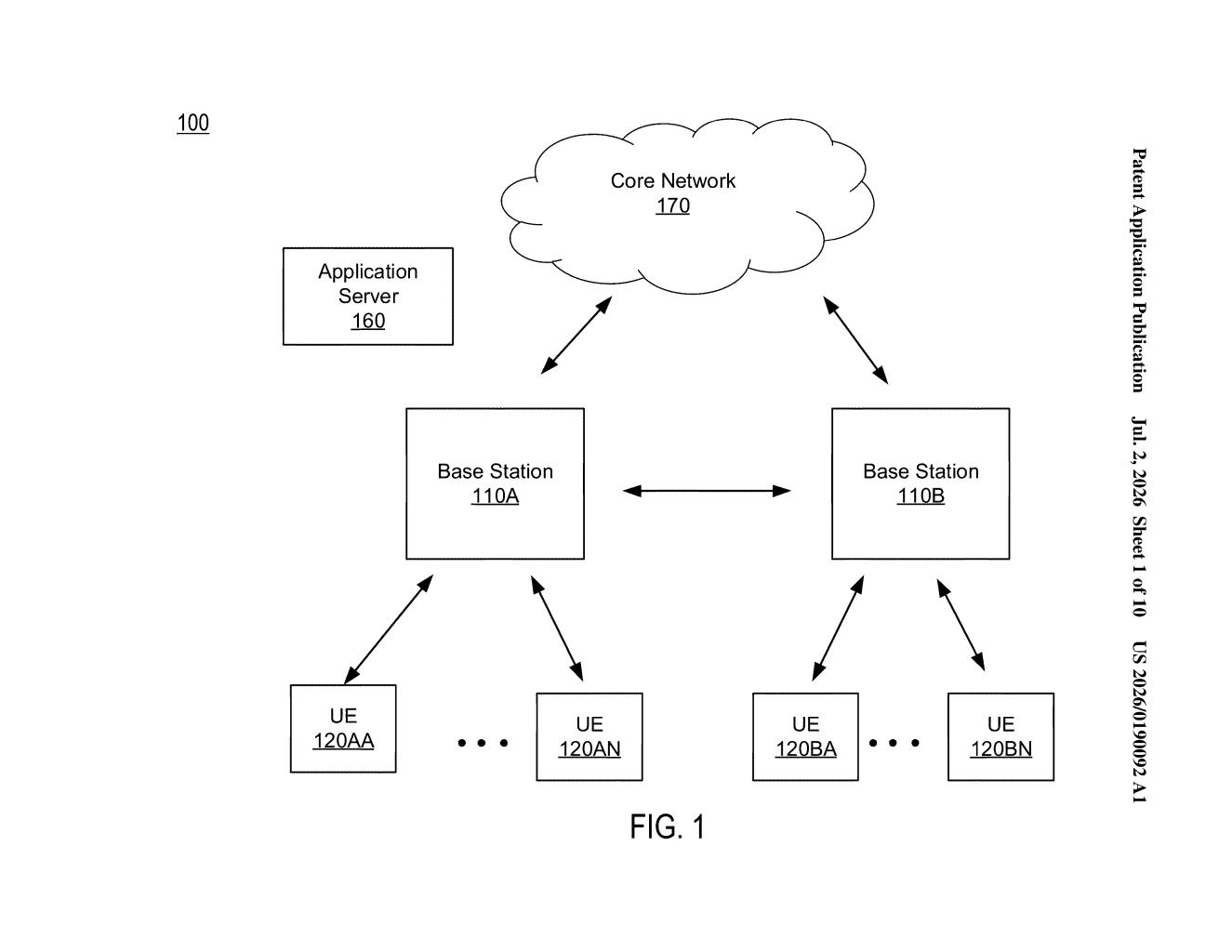
What Meta's signal-aware AR streaming actually does
Imagine you're wearing a pair of AR glasses and you step outside onto a busy street. Your signal drops, the glasses keep trying to stream crisp, high-detail visuals, and the whole experience stutters. Meta's patent describes a fix for exactly that.
The idea is straightforward: the device watches two things constantly, how fast you're moving and how strong your cellular connection is. If you're sitting still with a solid signal, it streams at the highest quality it can. If you're walking around or the signal gets spotty, it automatically cuts the resolution or the frame rate to keep things running without interruption.
You'd never have to touch a setting. The device handles it in the background, trading a bit of visual sharpness for a much smoother experience whenever the network can't keep up.
How the device ties frame rate to network conditions
Dynamic precision adjustment is the core idea here. The device monitors two signals: its own mobility (how fast it's moving, likely using GPS or motion sensors) and its cellular connectivity (signal strength, bandwidth available on the network).
Based on those two inputs, the system calculates a degree of precision, which is just a fancy way of saying it picks a frame rate and resolution that the network can actually handle right now. It then tells the running application to generate data at that quality level before transmitting it wirelessly.
The key move is that this happens before the data is sent, not after. The device isn't compressing a high-quality stream on the fly (which wastes processing power). It's generating the right quality from the start and sending only that.
- Device detects motion and signal quality
- Picks an appropriate frame rate and resolution
- Runs the application at that quality level
- Sends only what the network can support
What this means for Quest and future Meta AR glasses
Meta is betting heavily on cellular-connected AR glasses as the next major computing platform. For that to work, the experience has to hold up in the real world, outdoors, on subways, in crowded venues where Wi-Fi is unreliable and 5G coverage is inconsistent. A system that adapts quality automatically is table stakes for making that pitch credible.
For you as a user, this matters because it's the difference between an AR device that feels reliable and one you give up on after a few frustrating outings. It's the same logic that makes Spotify drop to a lower bitrate on a bad connection, just applied to a much more demanding real-time visual medium.
This is unglamorous but genuinely necessary work. Any AR device that depends on cellular streaming will fall apart without some version of this, and filing a patent around the specific combination of mobility and connectivity signals as inputs is a defensible technical position. It's not a headline feature, but it's the kind of thing that determines whether Meta's AR glasses are usable outside a demo room.
Get our take in your Top Stories
Liked this breakdown? Add Patentlyze as a preferred source on Google, and our plain-English take shows up more often in your Top Stories the next time Meta patent news breaks.
There are more where this came from
We read every patent application Big Tech publishes and send you the ones worth knowing. Plain English, free, every week.
Want this weekly breakdown for a company we don't cover? Patentlyze Pro →