
Apple Patents Instant Visual Filters on Live Camera Video for Headsets Without Lag
When you look through an AR headset and see the real world overlaid with digital content, every frame of that live camera feed has to be processed and displayed in milliseconds. Apple's new patent describes a system for applying custom visual effects to that live footage without blowing the tight timing window that keeps everything looking real.
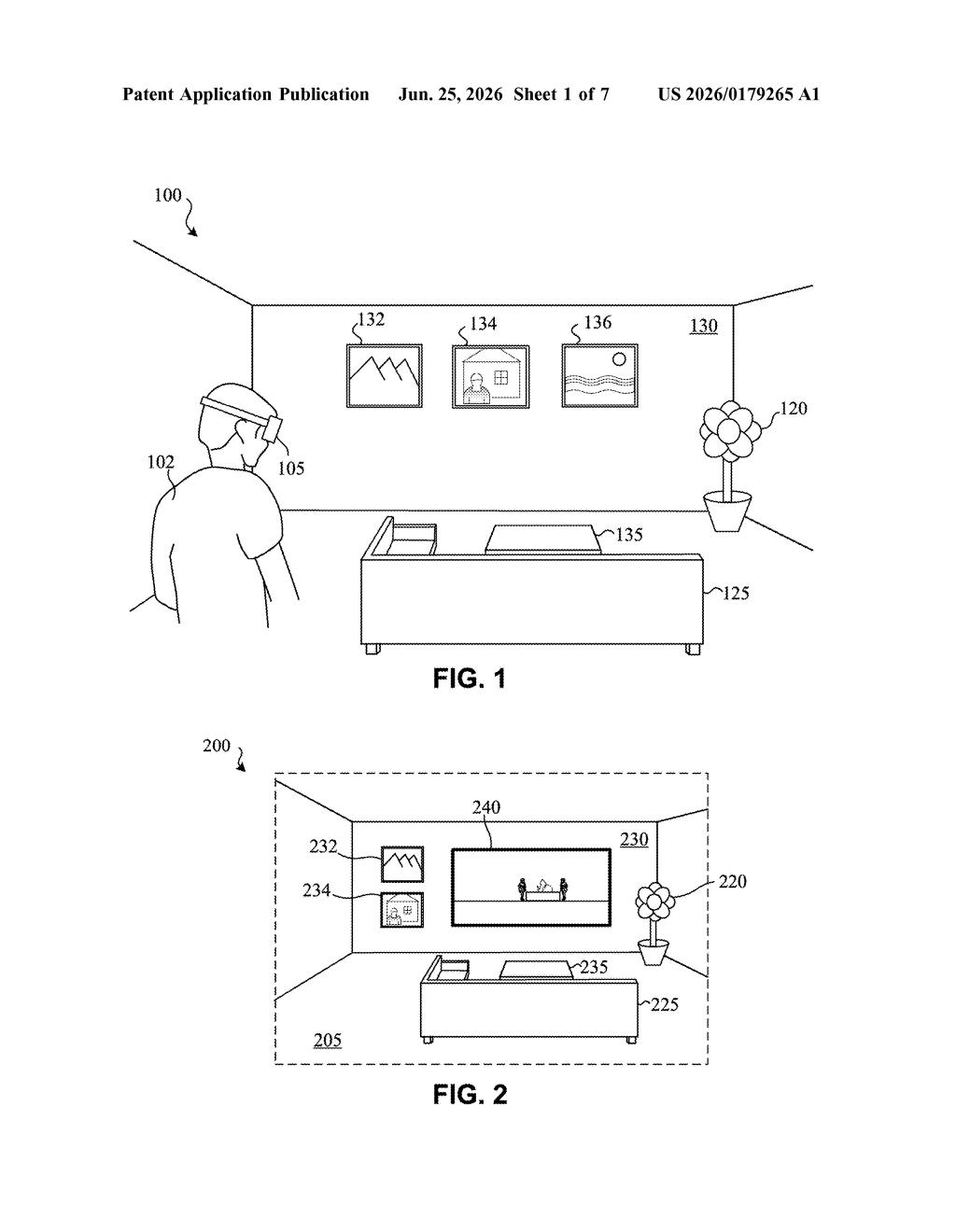
What Apple's AR pass-through effects pipeline actually does
Imagine wearing a headset like Apple Vision Pro, where you see the real room around you because tiny cameras feed live video to the screens in front of your eyes. That live video has to be processed and displayed so quickly that any delay would make the world look wrong, maybe shifted or stuttery.
Apple's patent describes a way to insert a programmable graphics step (the GPU, the chip that draws game graphics) into that super-tight video pipeline. Right now, the pipeline uses fixed, hard-wired processing steps that can't easily be changed. Apple wants to wedge in a flexible, programmable block that can apply visual effects like color filters, depth-based effects, or blending tweaks to each slice of the video frame as it races toward the display.
The key trick is doing all of this in strips of the image rather than waiting for a full frame to arrive. That lets the processing keep pace with the strict timing the display demands, so your live view stays smooth and in sync with whatever digital content is layered on top.
How the GPU slots into Apple's fixed display pipeline
At the core of this patent is what Apple calls a pass-through pipeline: the chain of processing steps that takes raw camera footage, applies corrections and effects, layers in rendered 3D content, and pushes the result to the display in real time.
Traditionally, the hardware at the end of this chain (the fixed display pipe) is hard-wired. It's fast and predictable, but you can't reprogram it to do new tricks after the chip is built. Apple's patent proposes inserting a programmable element (specifically a GPU, which runs flexible software instructions) between the image signal processor (the chip that does initial camera corrections) and that fixed display hardware.
The tricky part is timing. AR displays use a technique sometimes called beam chasing, where the display begins showing the top of an image before the bottom has even been fully processed. That means the pipeline must work in segments, processing strips of each frame in a strict sequence, each strip hitting the display exactly on schedule.
The patent's claim is that a GPU, properly coordinated, can apply effects to each strip within those tight deadlines. The result:
- Flexible, software-defined visual effects on live camera video
- Correct blending of real-world footage with rendered 3D graphics
- All of it happening fast enough that the display never has to wait
What this means for Vision Pro and future AR headsets
For Apple Vision Pro and any headset that follows it, the quality of pass-through video (how realistic the real world looks through the cameras) is one of the central selling points. Right now, the effects you can apply to that live video are limited by what the fixed hardware was designed to do at chip design time. A programmable GPU step means Apple's software team could ship new visual effects or corrections in a software update without redesigning the chip.
For you as a user, that could mean better low-light performance, more natural color matching between the real world and digital overlays, or entirely new types of AR effects that don't exist yet. It's the same reason modern cameras improved so dramatically with software updates: once the processing is programmable, the hardware doesn't have to change.
This is genuinely interesting infrastructure work for Apple's AR ambitions. The problem it solves (how do you add flexible, software-driven effects to a pipeline that has microsecond timing tolerances) is a real engineering constraint, not a theoretical one. Whether it ships in Vision Pro or a future device, this kind of programmable flexibility is what separates a one-generation product from a platform.
There are more where this came from
We read every patent application Big Tech publishes and send you the ones worth knowing. Plain English, free, every week.
Want this weekly breakdown for a company we don't cover? Patentlyze Pro →