
Google's New Patent Doubles the Screen Space Inside AR Glasses
One of the biggest complaints about AR glasses is that the digital overlay only fills a small slice of your vision. Google is patenting a way to split the light-guiding work across two parallel optical systems so the visible display area grows.
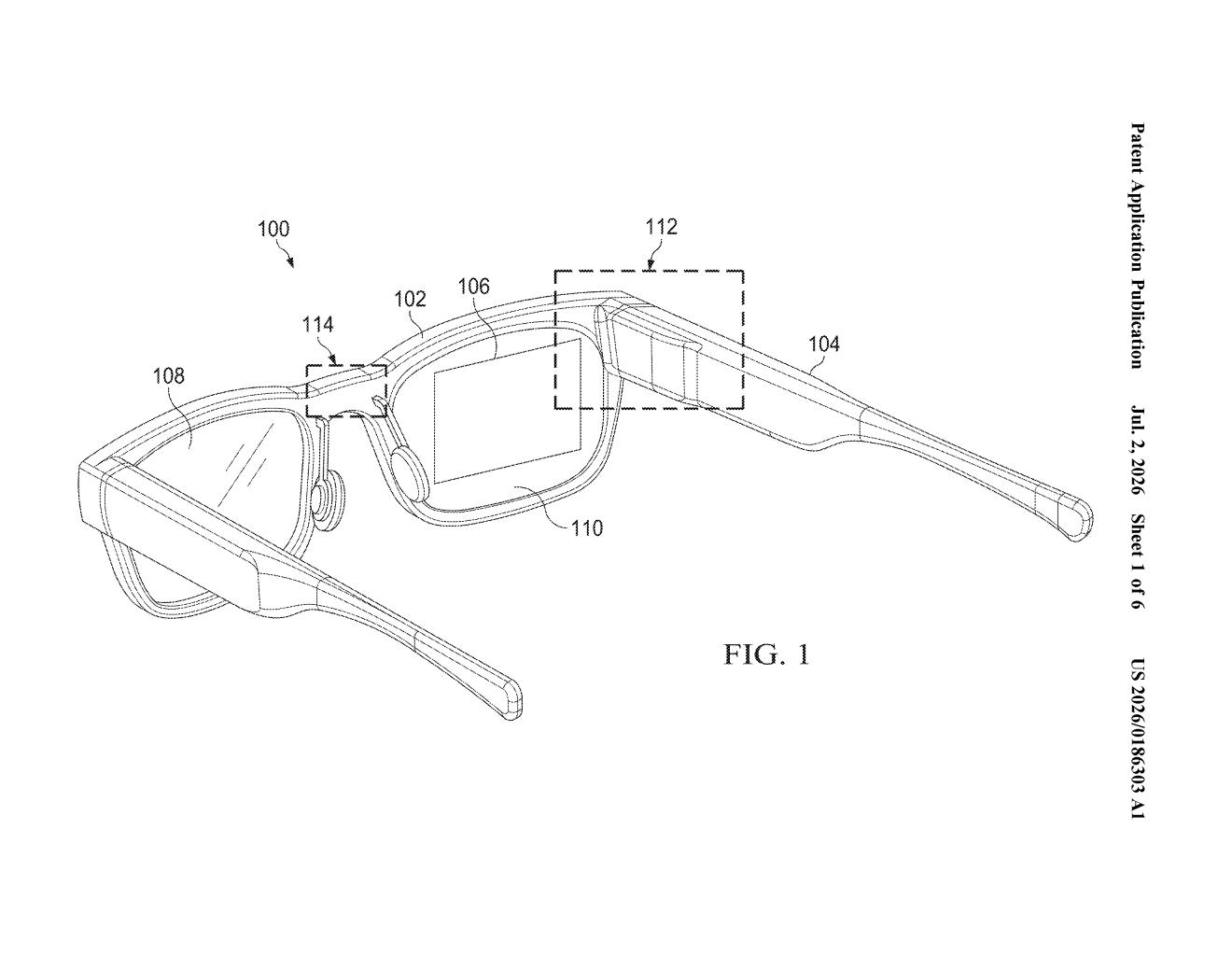
How Google's dual-path waveguide expands your AR view
Imagine wearing AR glasses where the digital information, such as a map or text overlay, only floats in a tiny window in front of you. That cramped feeling is a known limitation of current AR eyewear, and it comes down to the thin piece of glass (called a waveguide) that carries the display image to your eye.
Google's patent describes a waveguide with two independent sets of optical parts built into a single lens. Each set grabs light from the display, guides it through the lens, and delivers it to a different portion of your field of view. The first system covers one section of the image area, the second covers another section, and together they tile a larger picture than either could manage alone.
The practical goal is a wider, more comfortable viewing area without making the glasses thicker or heavier. Instead of one optical path doing all the work and running out of room, two paths share the job.
How two optical paths cover separate parts of the display area
A waveguide is a thin, transparent slab inside AR glasses that acts like a light highway. A tiny projector shines display light into one edge (the incoupler), the light bounces through the glass via internal reflection, gets spread across a larger area by an exit pupil expander (so the image stays visible even if your eye moves slightly), and then exits the waveguide toward your eye through an outcoupler.
The problem: a single set of these optical components can only handle a limited field of view (FOV), the angular size of the image you actually see. Push it too far and the optics degrade or the lens gets impractically thick.
Google's patent addresses this with a dual-path architecture:
- A first incoupler, expander, and outcoupler handles display light for one region of the image (say, the left or top section).
- A second incoupler, expander, and outcoupler handles a different, non-overlapping region.
- Together they tile the full display area, covering more total FOV than a single path allows.
The two sets can coexist in the same physical waveguide slab, meaning the glasses don't need to be bulkier to gain the wider view.
What this means for Google's next AR glasses push
Field of view is one of the most user-visible limitations of current AR glasses. A narrow FOV makes digital overlays feel like you're looking through a small porthole rather than seeing information naturally integrated with the real world. Widening it without adding weight or bulk is a core engineering challenge every AR hardware company is working on.
Google has been working on AR eyewear for years, from the original Google Glass to more recent projects. A patent like this suggests the company is investing in the optics layer specifically to make everyday AR glasses more practical. If this approach ships in a consumer product, you'd notice it as simply having more room to display information without turning your head.
This is solid, focused optics work rather than a flashy concept. Splitting FOV coverage across two independent waveguide paths is a practical and well-motivated engineering approach, and it's the kind of incremental progress that actually makes AR glasses usable. Worth watching if you follow Google's AR hardware ambitions.
Get our take in your Top Stories
Liked this breakdown? Add Patentlyze as a preferred source on Google, and our plain-English take shows up more often in your Top Stories the next time Google patent news breaks.
There are more where this came from
We read every patent application Big Tech publishes and send you the ones worth knowing. Plain English, free, every week.
Want this weekly breakdown for a company we don't cover? Patentlyze Pro →