
Samsung Patent Reveals Multiport Adapter That Prioritizes Laptop Power Over Accessories
Anyone who has plugged a USB-C hub into a laptop knows the frustration: add too many accessories and your laptop stops charging. Samsung's new patent describes a hub that actively manages that power fight so your laptop always gets what it needs.
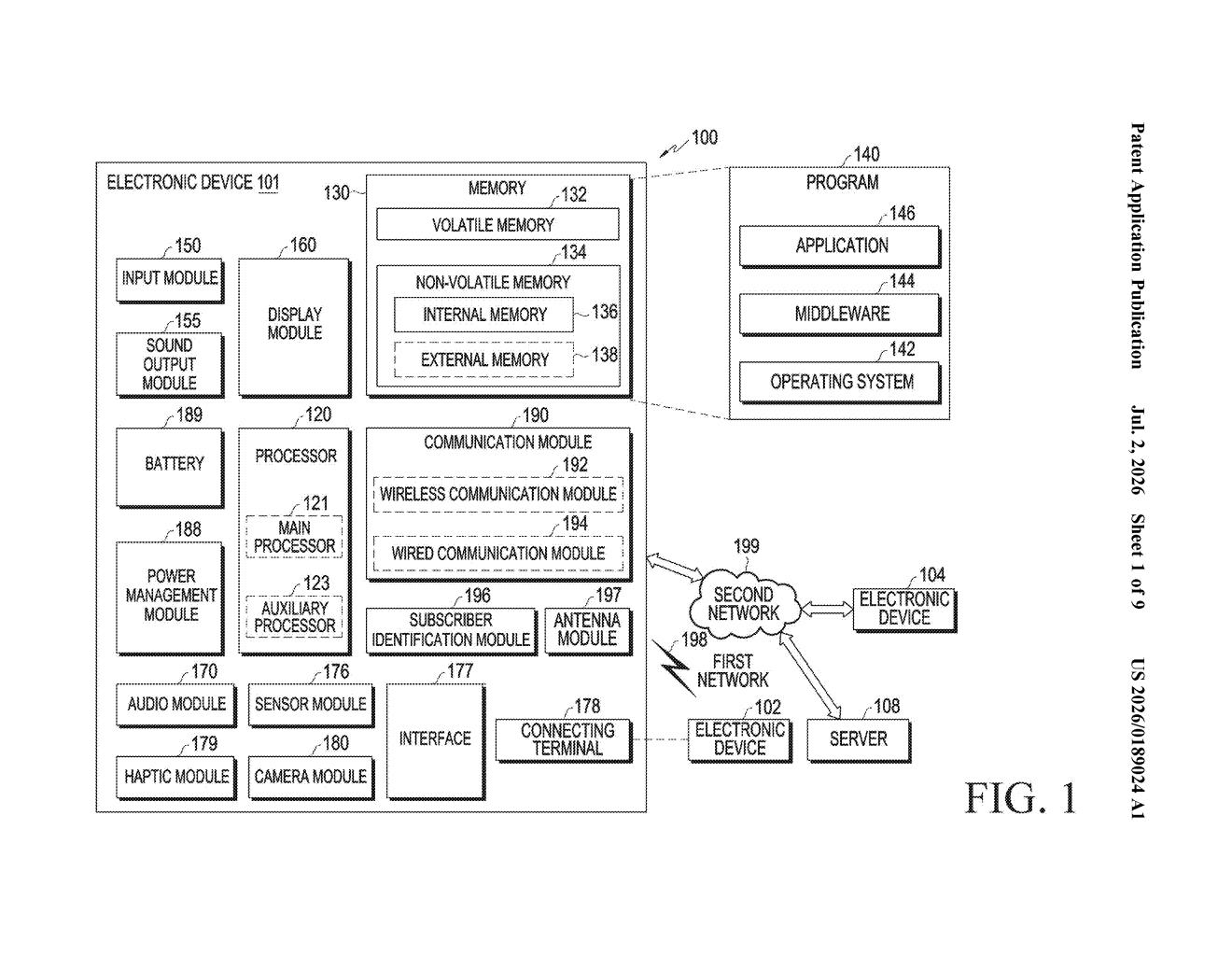
How Samsung's adapter decides who gets power first
Imagine you plug a USB-C hub into your laptop. The hub connects your laptop to power, plus a hard drive, a mouse, and a monitor. The problem is that all those accessories eat into the electricity available for actually charging your laptop, and most hubs just split the power without thinking.
Samsung's patent describes a hub with a built-in controller that does the math in real time. It figures out how much power your laptop needs first, checks how much the connected accessories are consuming, and then adjusts a reserved buffer to make sure your laptop gets a proper charge regardless of what else is plugged in.
The key idea is that the hub doesn't treat every device equally. Your laptop gets priority, and the hub recalculates its power budget on the fly as you plug things in or unplug them. It's the difference between a dumb power strip and one that actually pays attention.
How the controller splits and reserves wattage
The adapter has four main components working together: a power connection port (where your wall charger plugs in), a host connector (where your laptop connects), one or more peripheral device ports (for accessories), and a controller that manages the whole system.
The controller runs a two-step process. First, it identifies first power, the amount the laptop should ideally receive based on what's coming in from the wall. Then it looks at how much the accessories are drawing and adjusts a reserve power amount, a buffer set aside specifically to protect the laptop's share.
Using those figures, it then calculates second power, the actual amount delivered to the laptop. That number accounts for accessory load and the reserve buffer, so the laptop charge rate can be protected even when peripherals are active. The calculation runs dynamically, meaning it updates as device usage changes.
In practical terms, this is a software-plus-hardware power negotiation loop built directly into the hub's controller, rather than relying on the laptop or the charger to sort it out.
What this means for USB-C hub users
USB-C hubs have become essential for anyone using a modern thin laptop, but power delivery through them is notoriously inconsistent. A hub following Samsung's approach would give you more predictable charging behavior, especially in setups where you're powering several accessories at once. If you've ever noticed your laptop battery draining slowly even while plugged in through a hub, this is exactly the problem being addressed.
For Samsung, the filing also signals continued investment in accessories that work intelligently with Galaxy laptops and tablets. A smarter adapter could become a meaningful differentiator in a market where most hubs are generic commodity hardware.
This is a real and practical problem that millions of USB-C hub users deal with, even if they don't know what to call it. The patent describes a sensible engineering fix, and if Samsung ships it in a real product, it would be genuinely useful. That said, the core idea isn't surprising, and similar power-negotiation logic exists in various forms already, so the patent's novelty may be in the specific implementation details.
Get our take in your Top Stories
Liked this breakdown? Add Patentlyze as a preferred source on Google, and our plain-English take shows up more often in your Top Stories the next time Samsung patent news breaks.
There are more where this came from
We read every patent application Big Tech publishes and send you the ones worth knowing. Plain English, free, every week.
Want this weekly breakdown for a company we don't cover? Patentlyze Pro →