
Sony's New Patent Stops AR Glasses from Tinting the World the Wrong Color
If you've ever tried AR glasses and noticed the world looks slightly tinted or that colors seem off, this Sony patent is aimed squarely at that problem. It describes a two-material optical design that keeps red, green, and blue light in proper balance as images pass through the lenses.
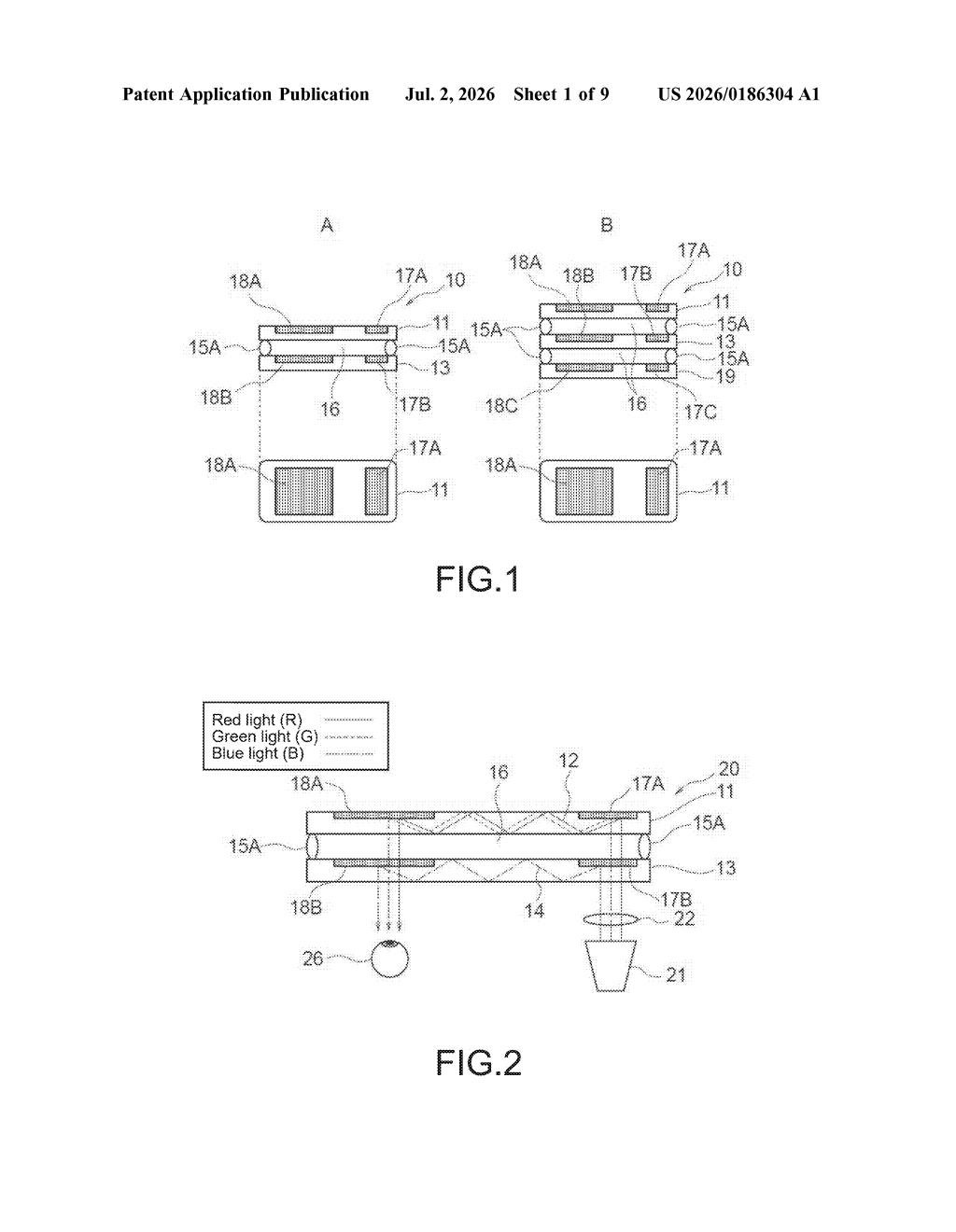
Why AR glasses make colors look wrong, and Sony's fix
Imagine putting on a pair of AR glasses and noticing that everything looks a bit yellow, or that the blue in an image seems washed out. That color shift is a real problem in see-through displays, where light has to travel through physical materials before reaching your eye.
Sony's patent describes a solution built around using two different types of light-guiding plates inside the lens, each made from a different material. The key insight is that some materials are better at passing through short-wavelength light (which is the blue end of the color spectrum) than others. By pairing a more transmissive material with a standard one, Sony aims to keep all three color channels, red, green, and blue, arriving at your eye in proper proportion.
The result, in theory, is a display that shows you colors closer to what was originally intended, without the tint or color drift that can make AR overlays look unnatural against the real world behind them.
How Sony's two-plate design balances RGB light transmission
The patent describes an optical device made up of two separate light guide plates (thin slabs of transparent material that bounce and steer light toward your eye using internal reflection). Each plate is made from a different material.
The critical difference between the two materials is their light transmittance at short wavelengths, specifically at 493 nanometers and below. That wavelength range covers blue and violet light. The second material is specified to transmit more of that short-wavelength light than the first material does.
This matters because in a see-through AR display, light from a tiny projector has to travel through the lens material before it reaches the viewer's eye. If the material absorbs blue light more than red or green light, the image will appear warmer or more yellow than intended. By using a second plate made from a material that is more transparent to blue wavelengths, Sony's design compensates for that imbalance.
- First light guide plate: standard material, handles part of the light path
- Second light guide plate: higher-transmittance material, particularly for wavelengths at or below 493 nm (blue/violet light)
- Combined effect: the RGB balance of the output image more closely matches the original input
What this means for Sony's next AR headset ambitions
Color accuracy is one of the more persistent complaints about consumer AR headsets. When the real world and a digital overlay don't share the same color temperature, the effect feels fake and tiring over time. Sony's approach is a materials-level fix rather than a software correction, which means it could work without adding processing overhead or draining battery life on color-compensation algorithms.
Sony has been active in both consumer (PlayStation VR) and professional display technology for decades. A patent like this fits into a broader effort to bring AR glasses to a quality level where colors look natural, not just acceptable. Whether this specific design ends up in a shipping product is uncertain, but it signals that Sony is working on the optical fundamentals that tend to separate good AR hardware from mediocre hardware.
This is a fairly narrow optics patent, and it won't mean much to readers who aren't already invested in AR hardware. But the problem it addresses is real and genuinely annoying to anyone who has used current-generation AR glasses. Solving color balance at the materials level rather than in software is the right instinct, and this is the kind of incremental engineering work that eventually adds up to hardware that people actually want to wear.
Get our take in your Top Stories
Liked this breakdown? Add Patentlyze as a preferred source on Google, and our plain-English take shows up more often in your Top Stories the next time Sony patent news breaks.
There are more where this came from
We read every patent application Big Tech publishes and send you the ones worth knowing. Plain English, free, every week.
Want this weekly breakdown for a company we don't cover? Patentlyze Pro →