
Meta's Latest Patent Reveals AR Trophies, AI Scene Reading, and a Skin-Scanning Login
Meta just filed a single patent that covers five completely different technologies at once, including virtual trophies you can display in shared AR spaces, an AI that interprets what kind of scene you want to create, and a login system that scans the structure of your skin using polarized light.
What Meta's five-in-one AR patent actually covers
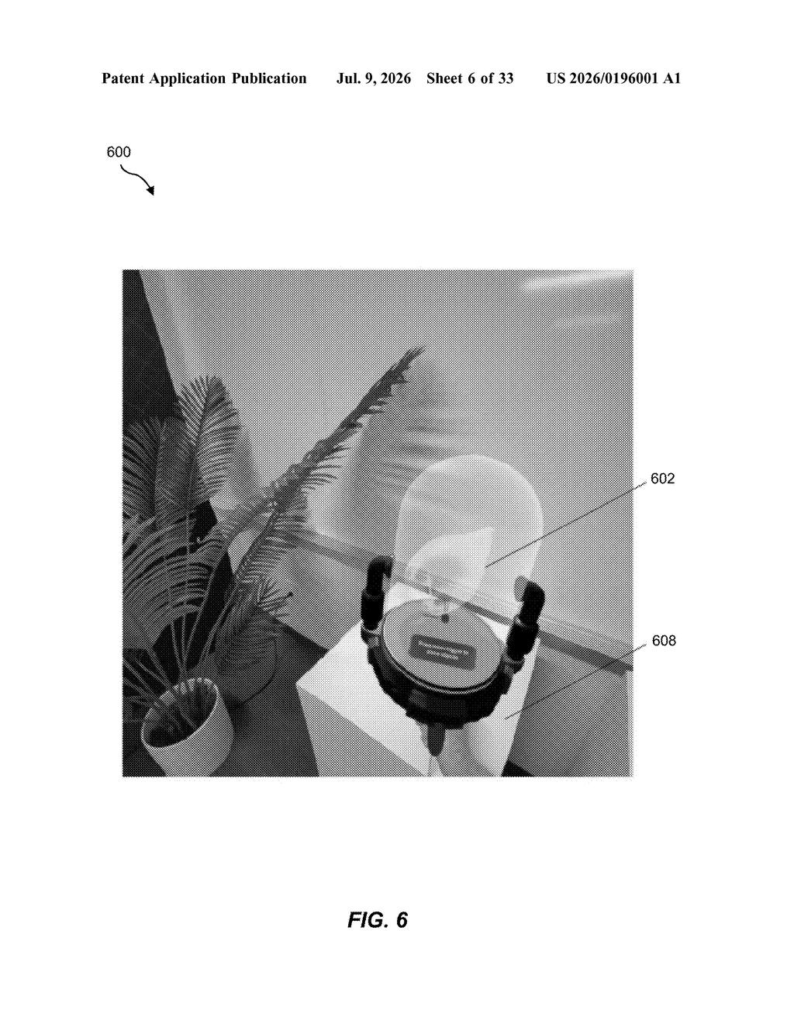
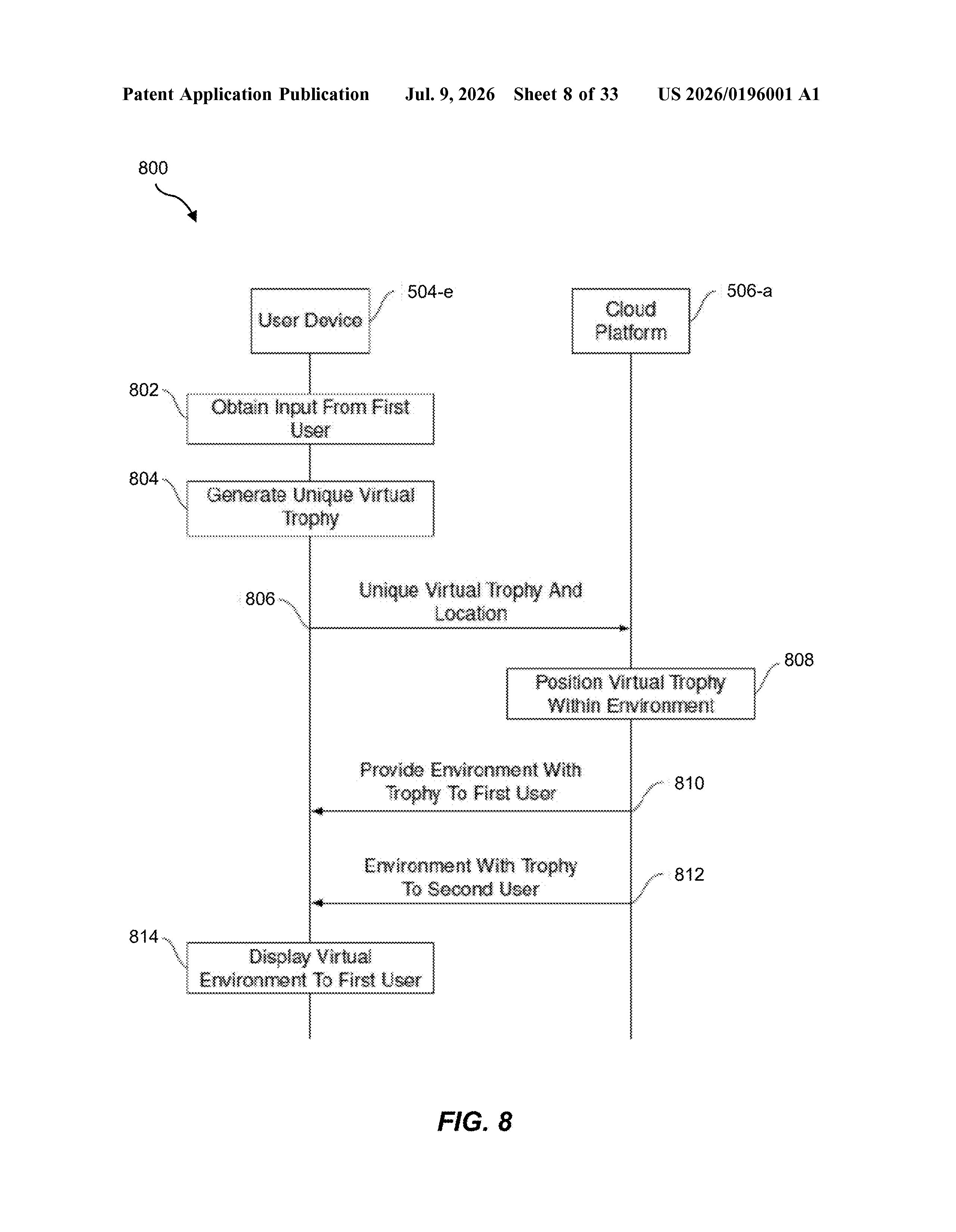
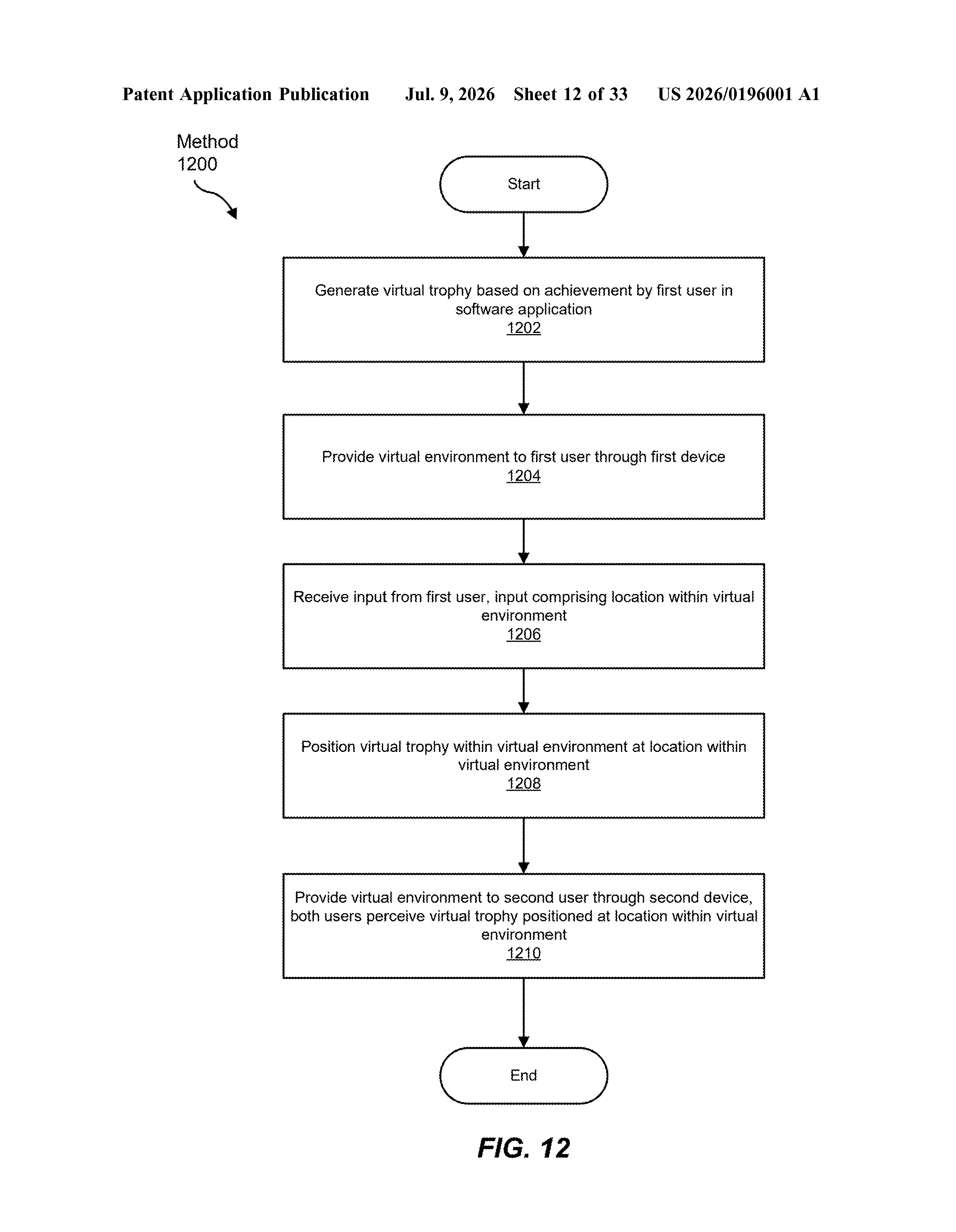
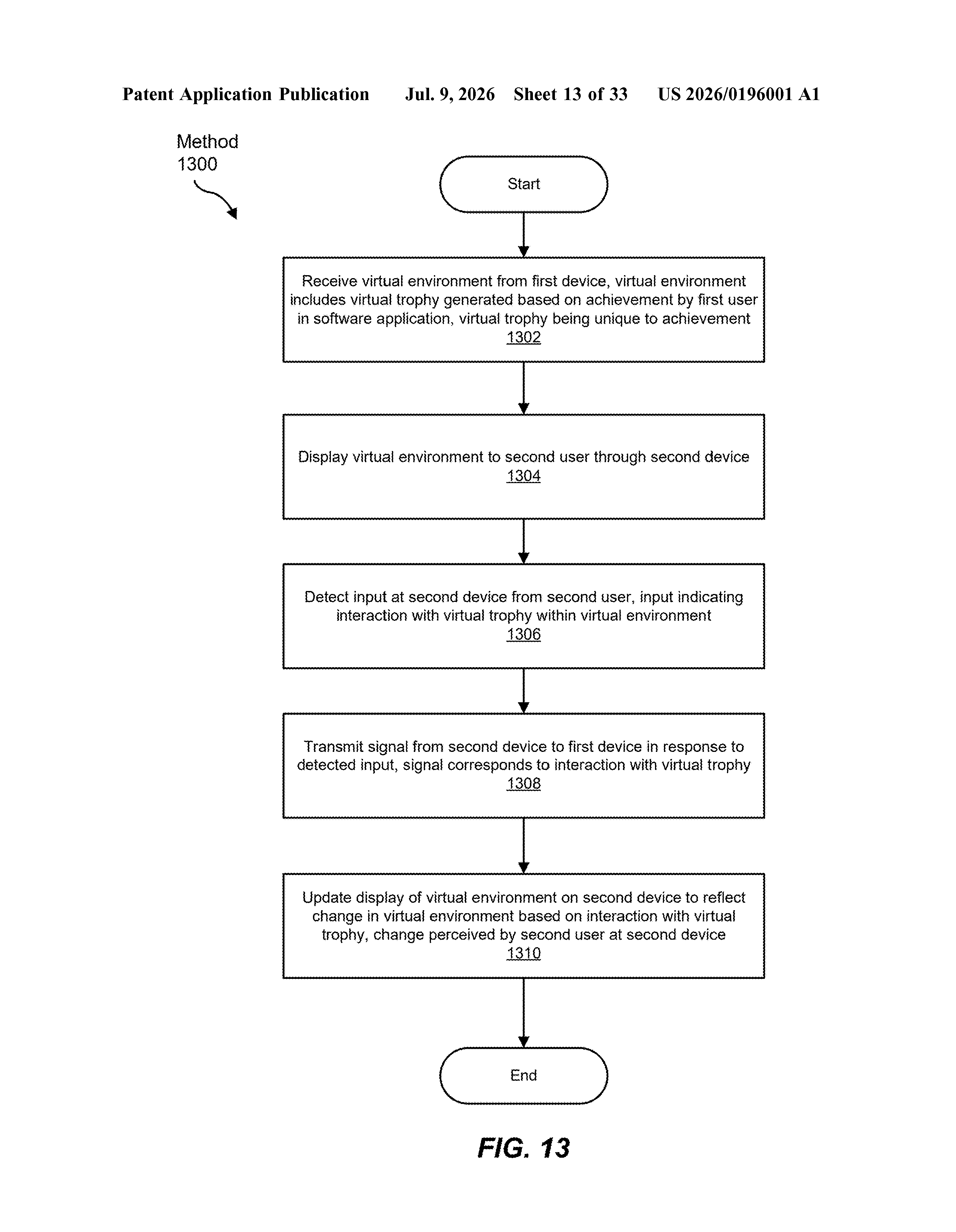
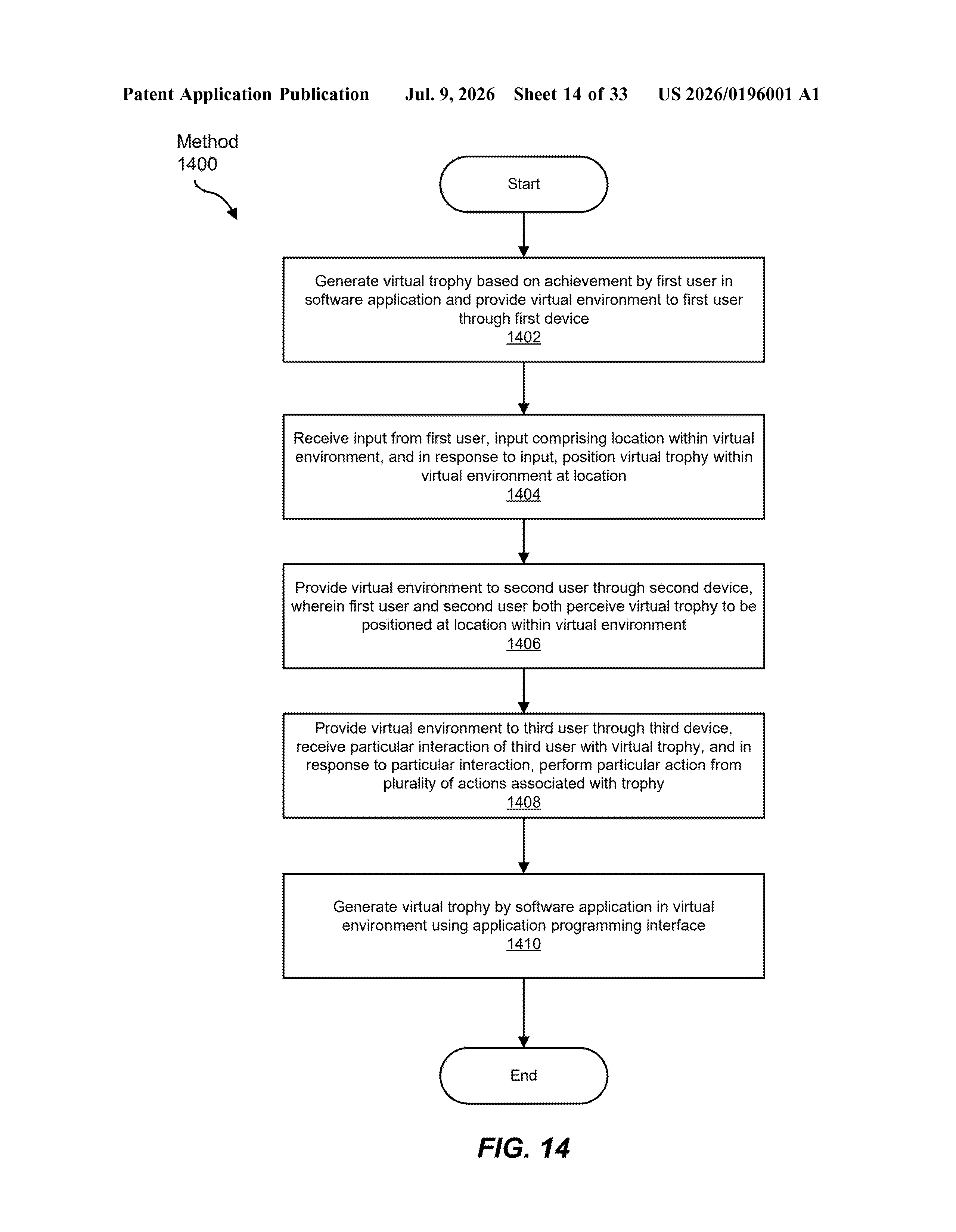
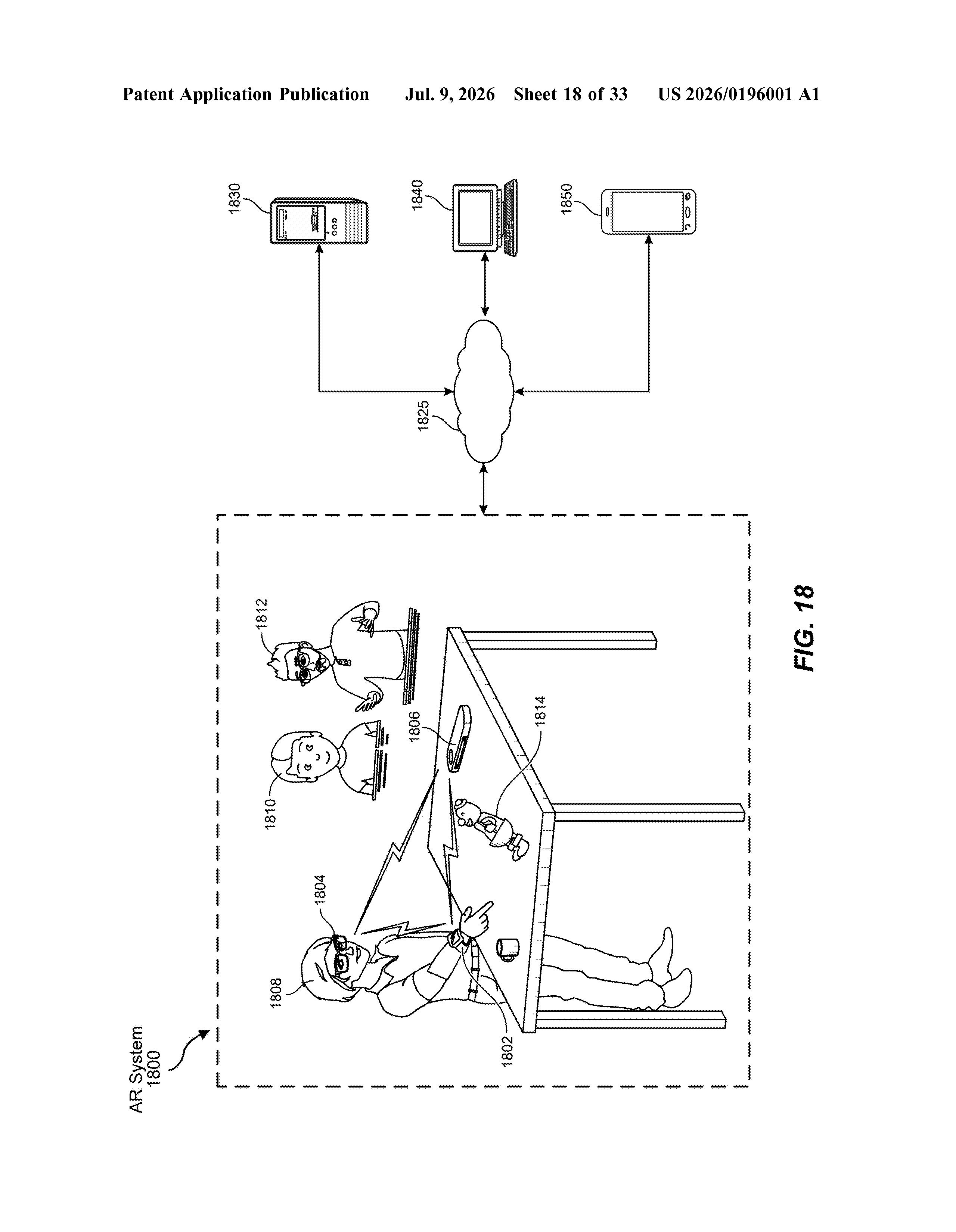
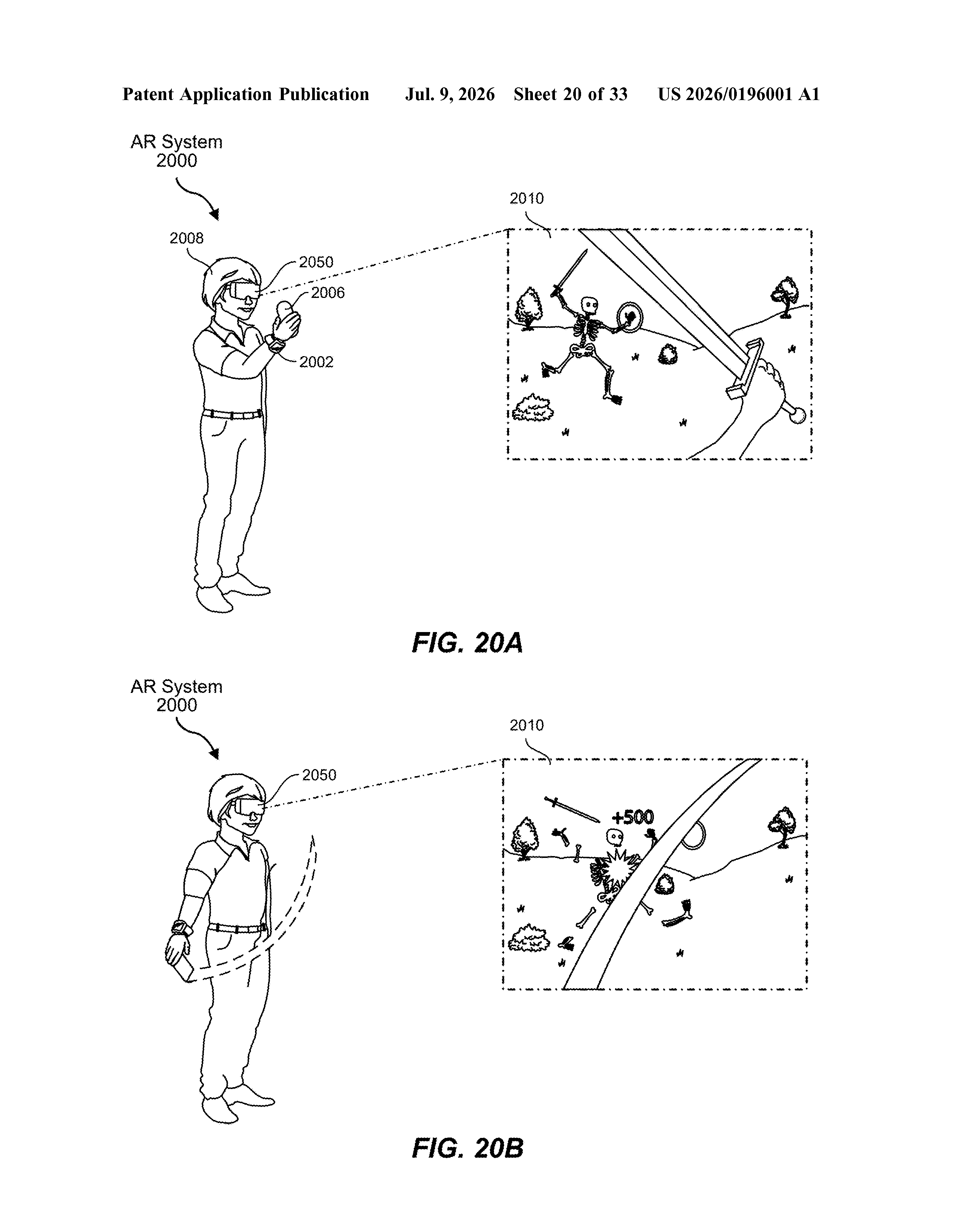
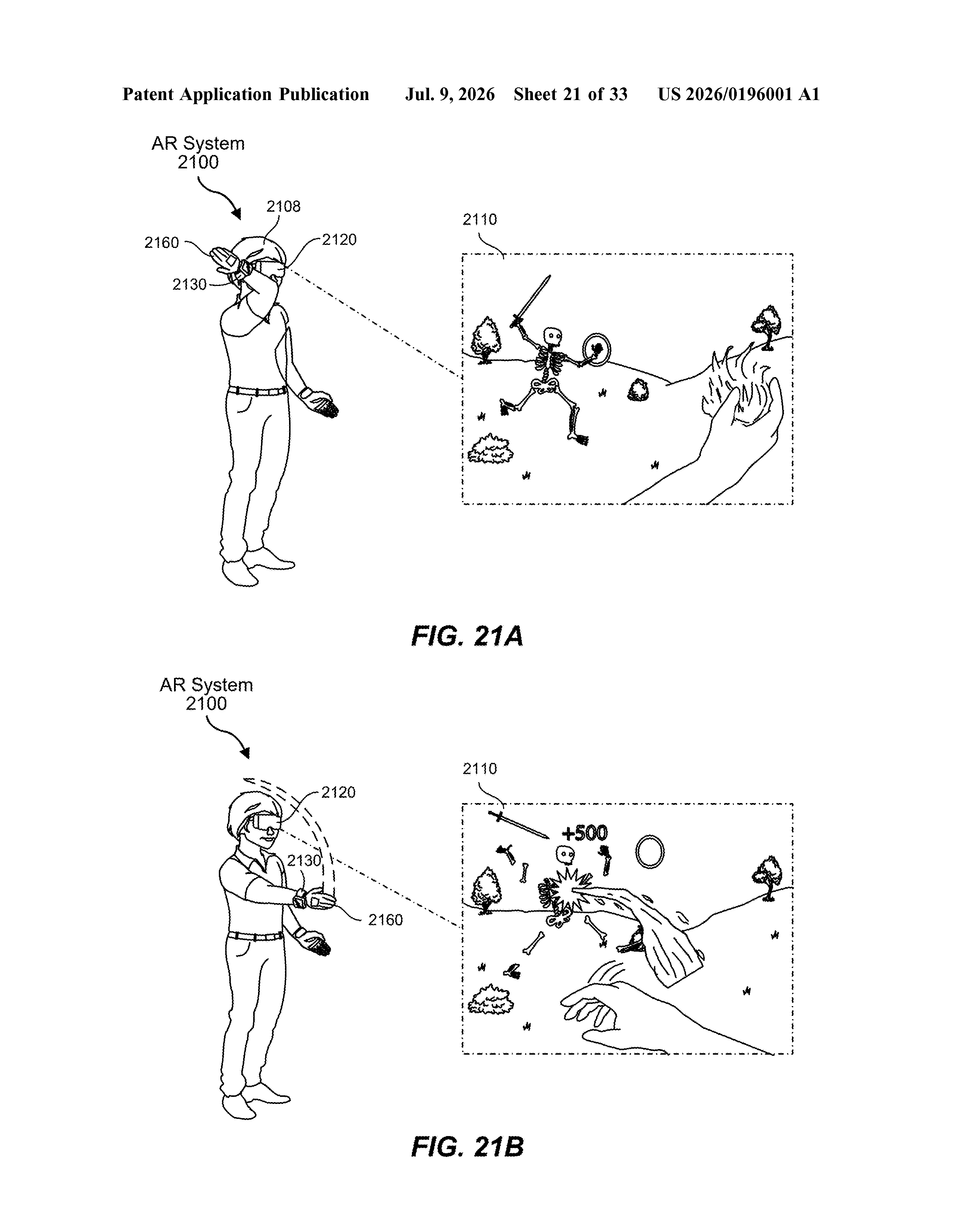
Imagine you finish a difficult level in a game on your AR headset and, instead of a digital badge no one sees, you get a unique virtual trophy you can physically place somewhere in your home that your friends can also see when they visit your shared AR space. That's one piece of what Meta is patenting here.
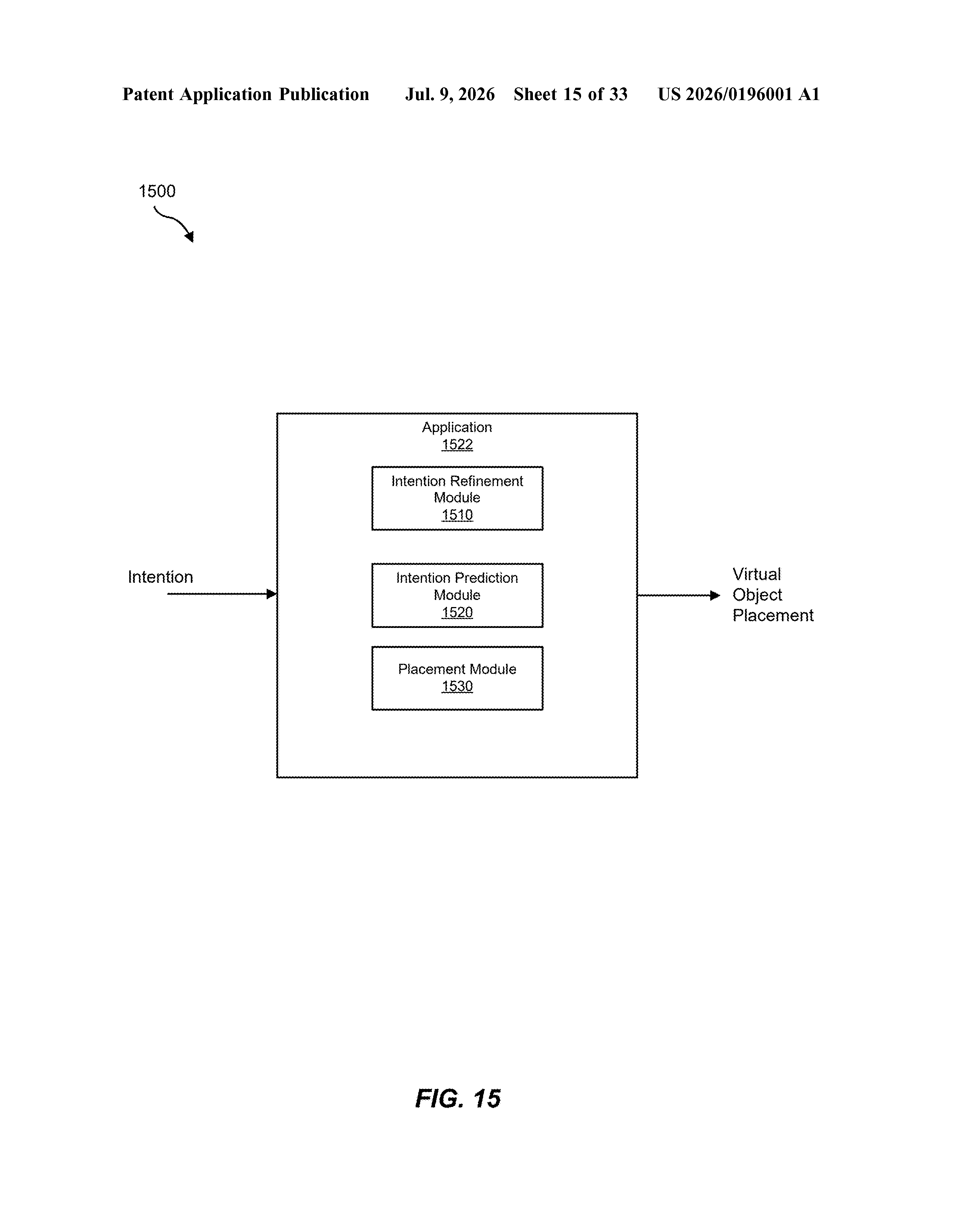
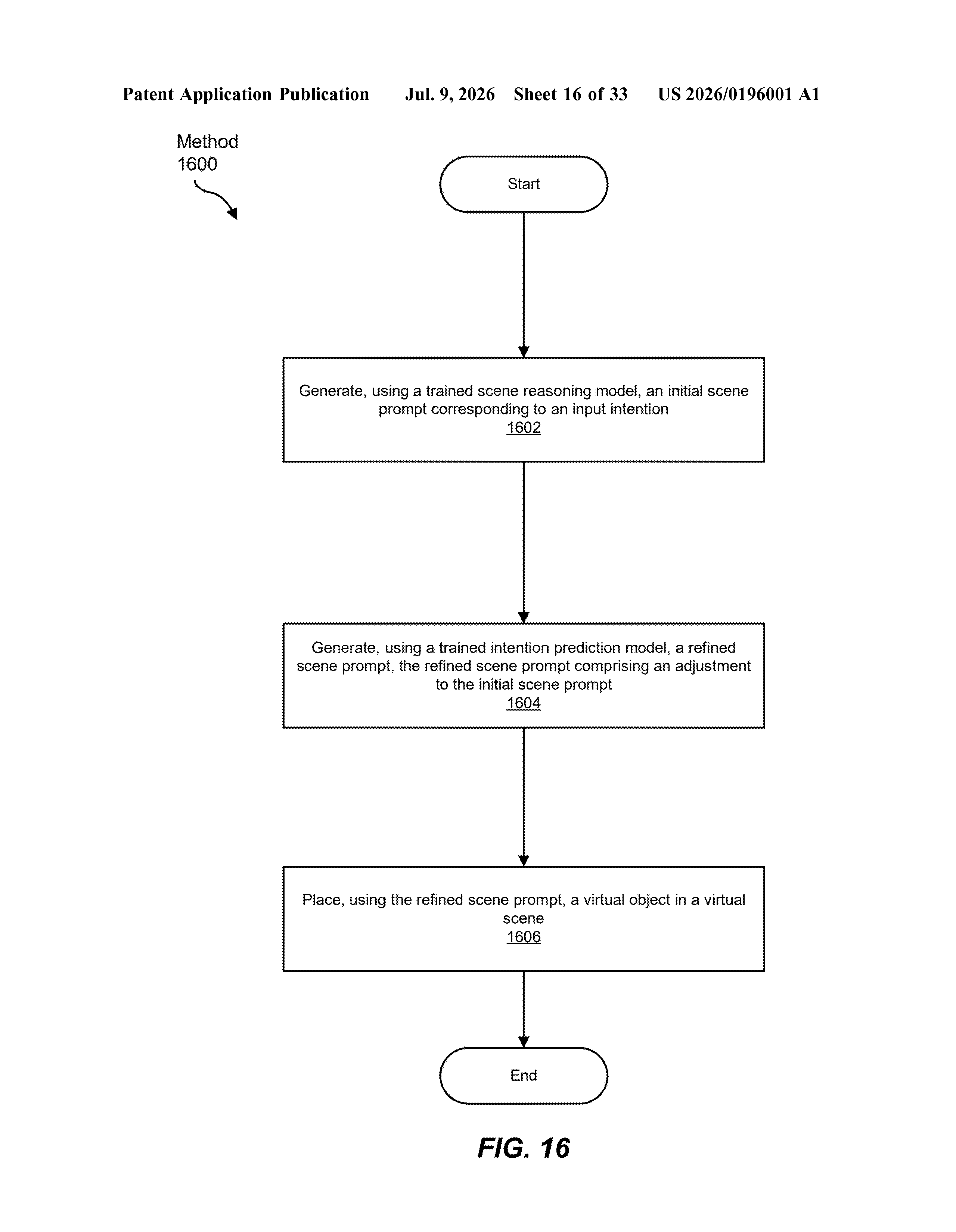
Another piece is an AI assistant for building mixed-reality scenes. You describe roughly what you want, and the system uses two AI models in sequence: one to generate an initial layout and a second to refine it based on what you probably actually meant, not just what you typed.
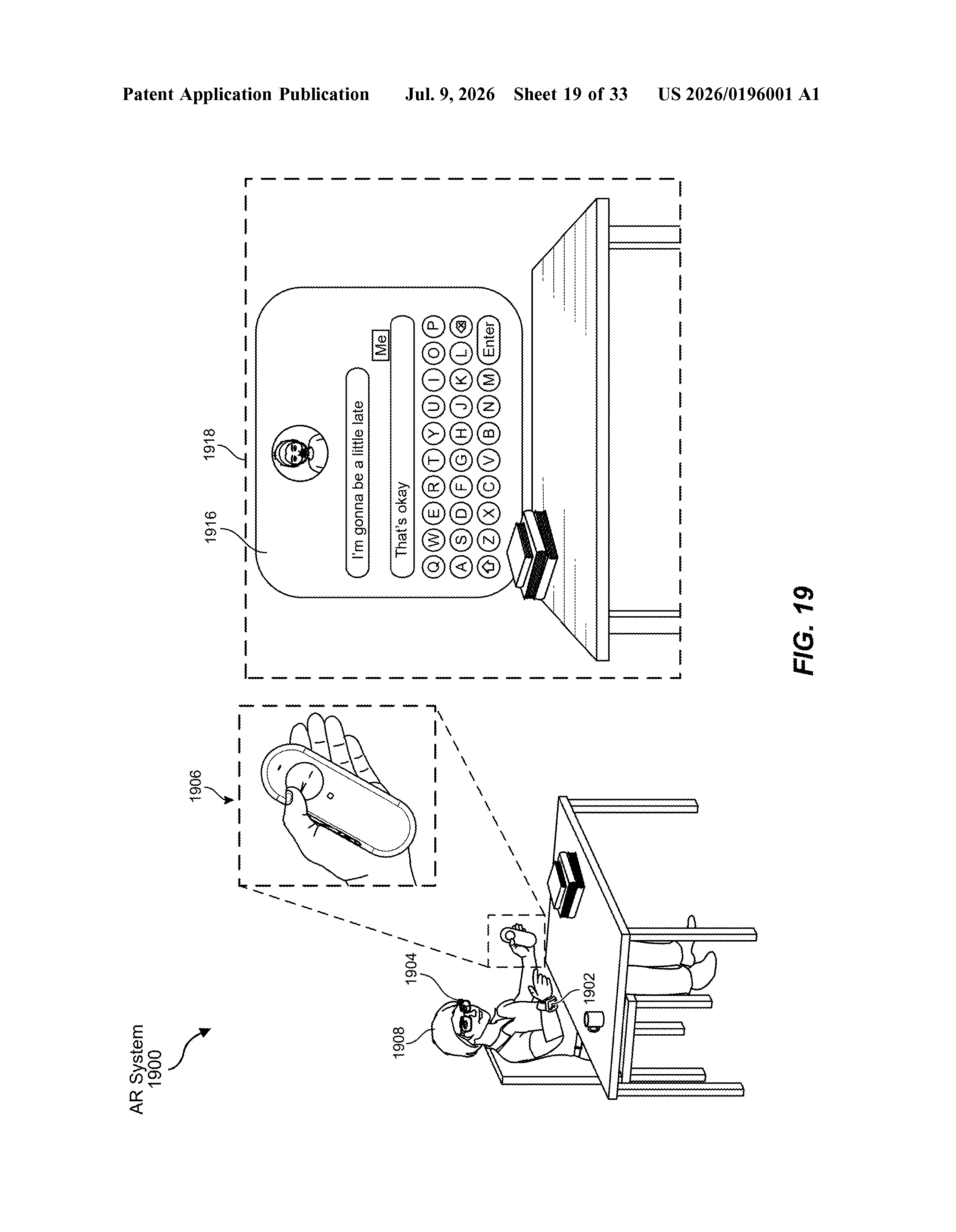
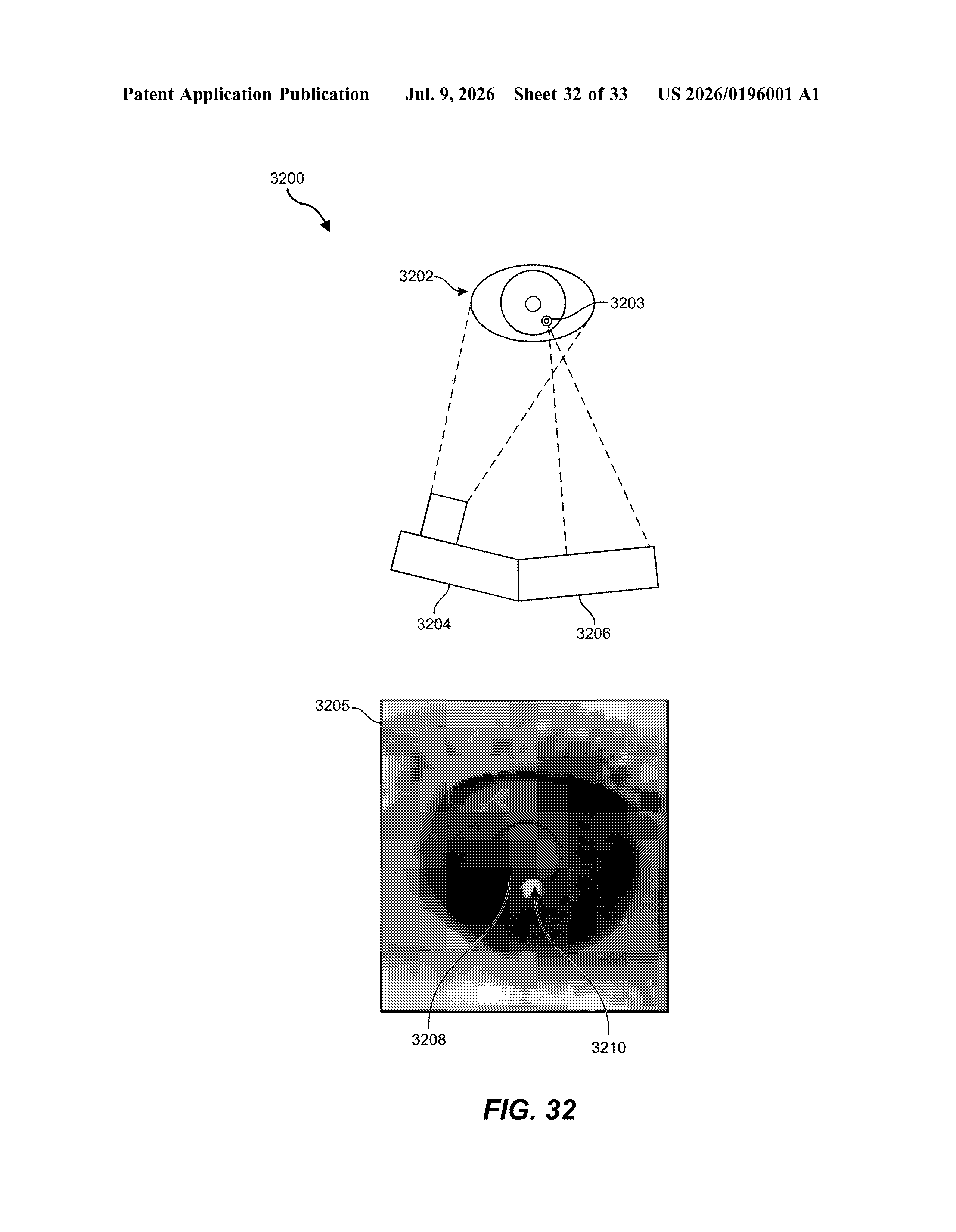
The most unusual piece is a new way to log in to your headset. Instead of a PIN or face scan, a special camera reads polarized light bouncing off your skin to detect patterns from the structure underneath, like the arrangement of collagen fibers, which are unique to each person. Think of it as a fingerprint reader, but for your skin's interior.
How each of Meta's five systems works under the hood
This patent is a bundle filing, meaning Meta has grouped five separate inventions under one application. That's unusual and worth calling out.
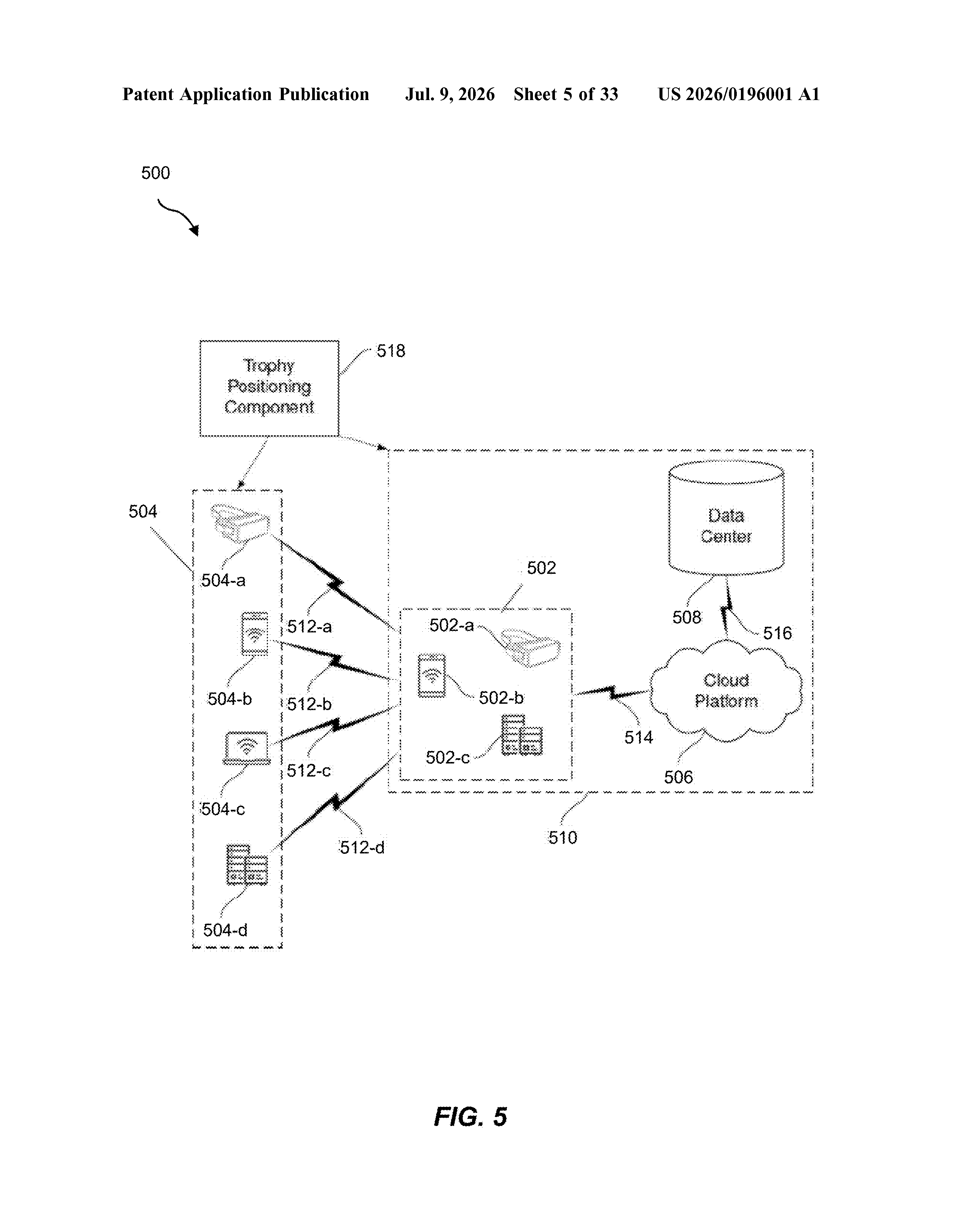
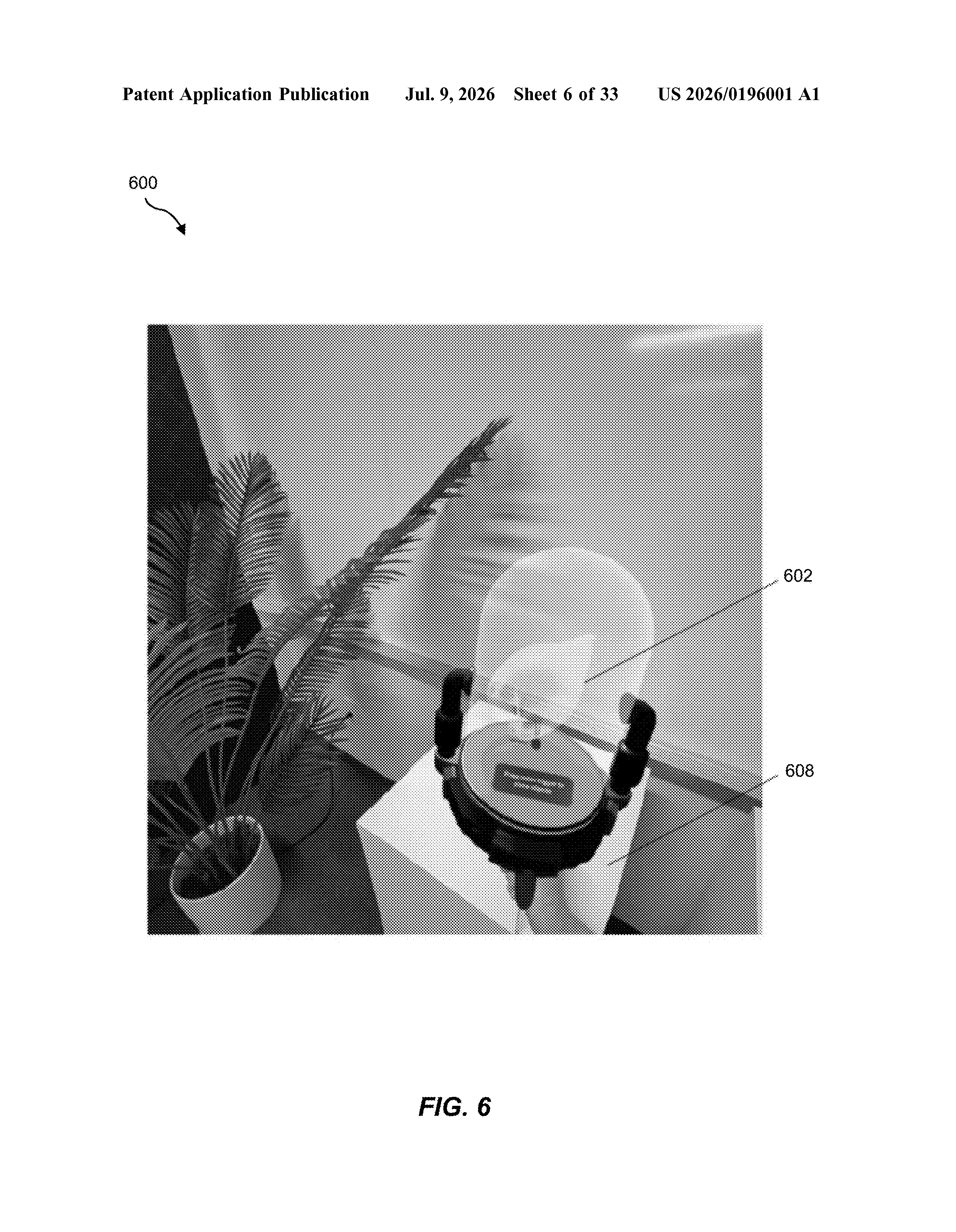
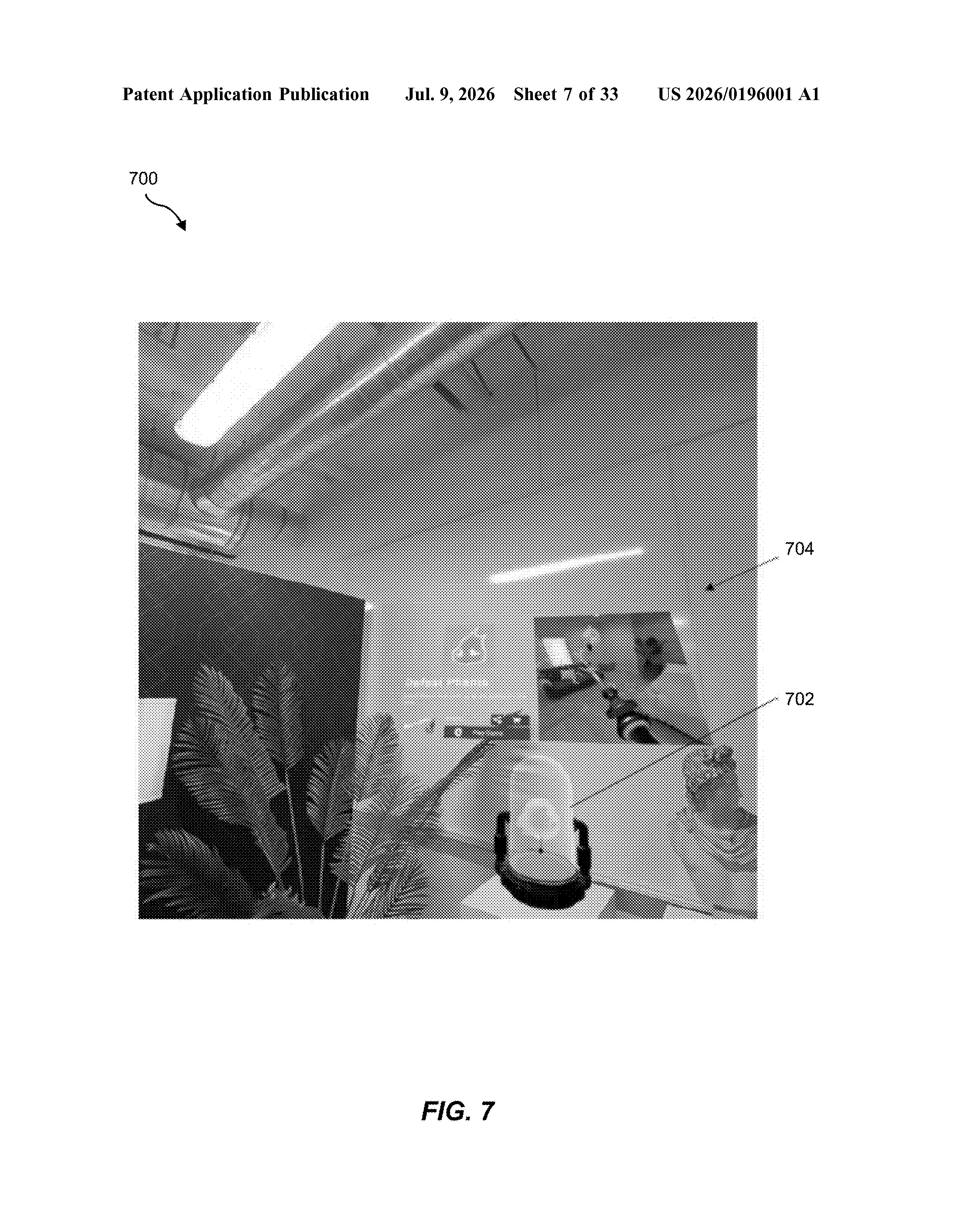
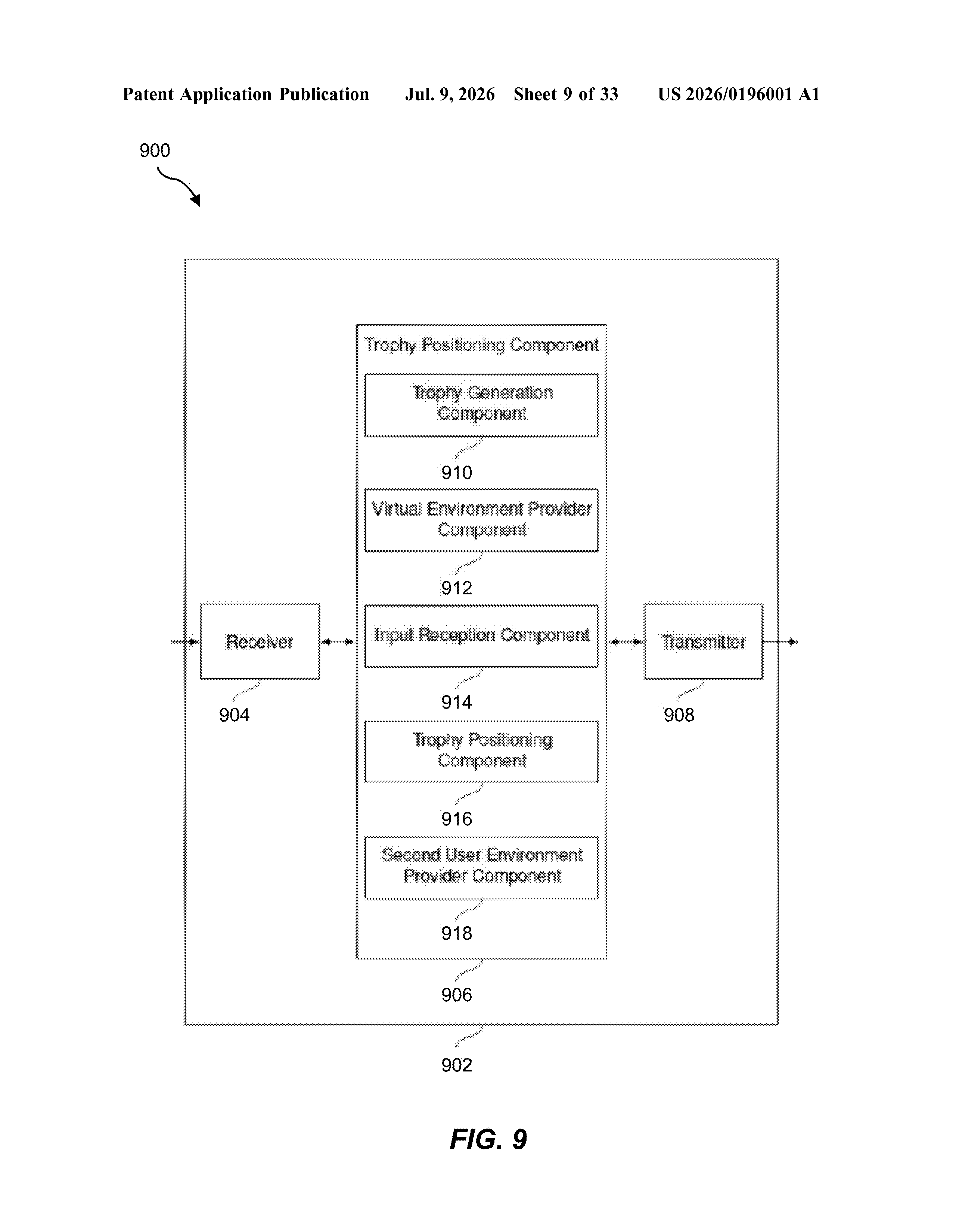
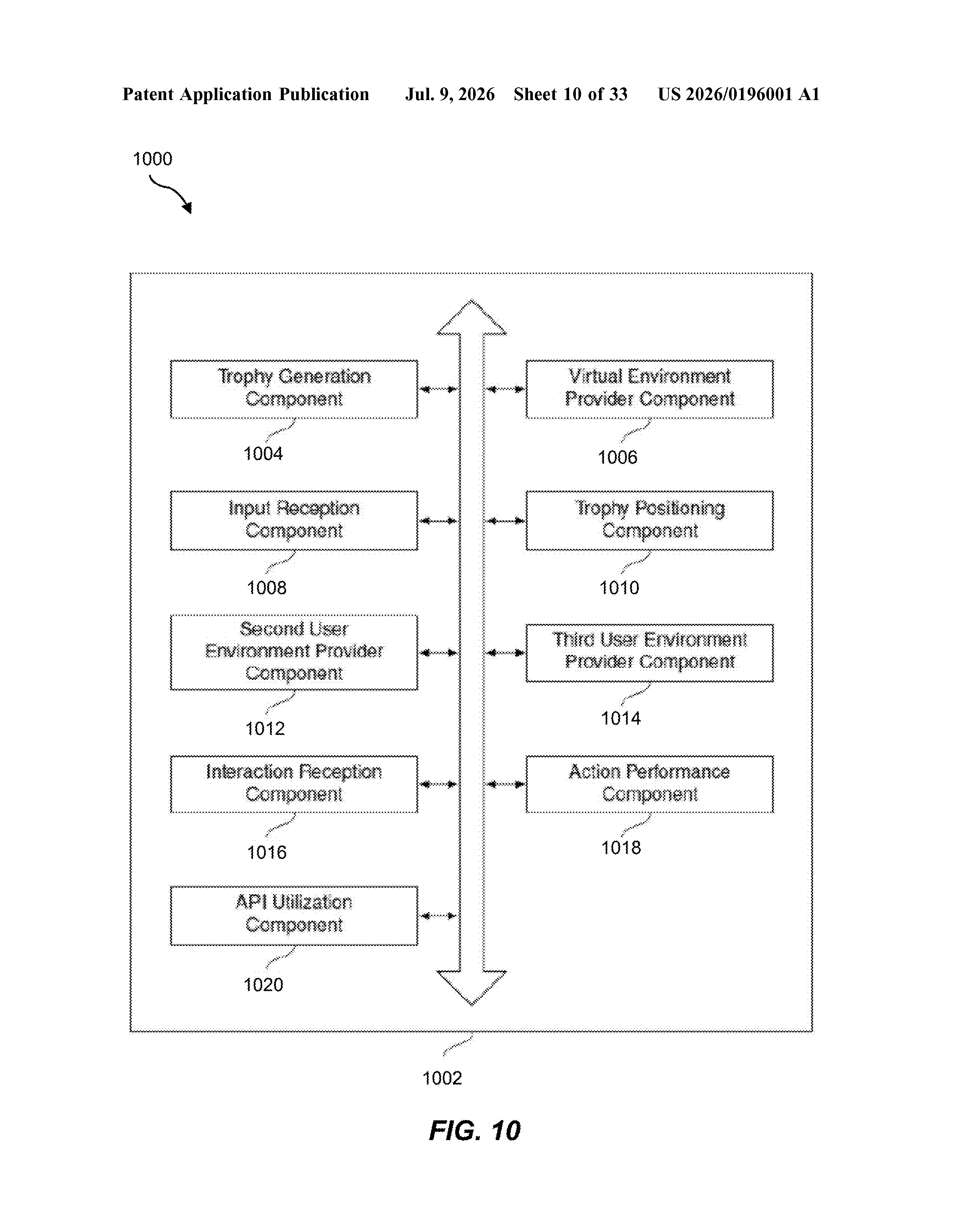
1. Virtual trophies in shared AR spaces: When a user accomplishes something in an app, the system generates a trophy that is visually unique to that specific achievement. The user can then place it at a chosen location inside a virtual environment. Critically, a second user on a different device sees the trophy in the same spot, which requires shared spatial anchoring across devices.
2. AI-driven mixed reality scene generation: A scene reasoning model (an AI trained to understand spatial layouts) takes a user's rough intent as input and generates an initial scene description. A second AI, an intention prediction model, then refines that description to better match what the user likely wanted. The final output is used to place virtual objects in a real-world view.
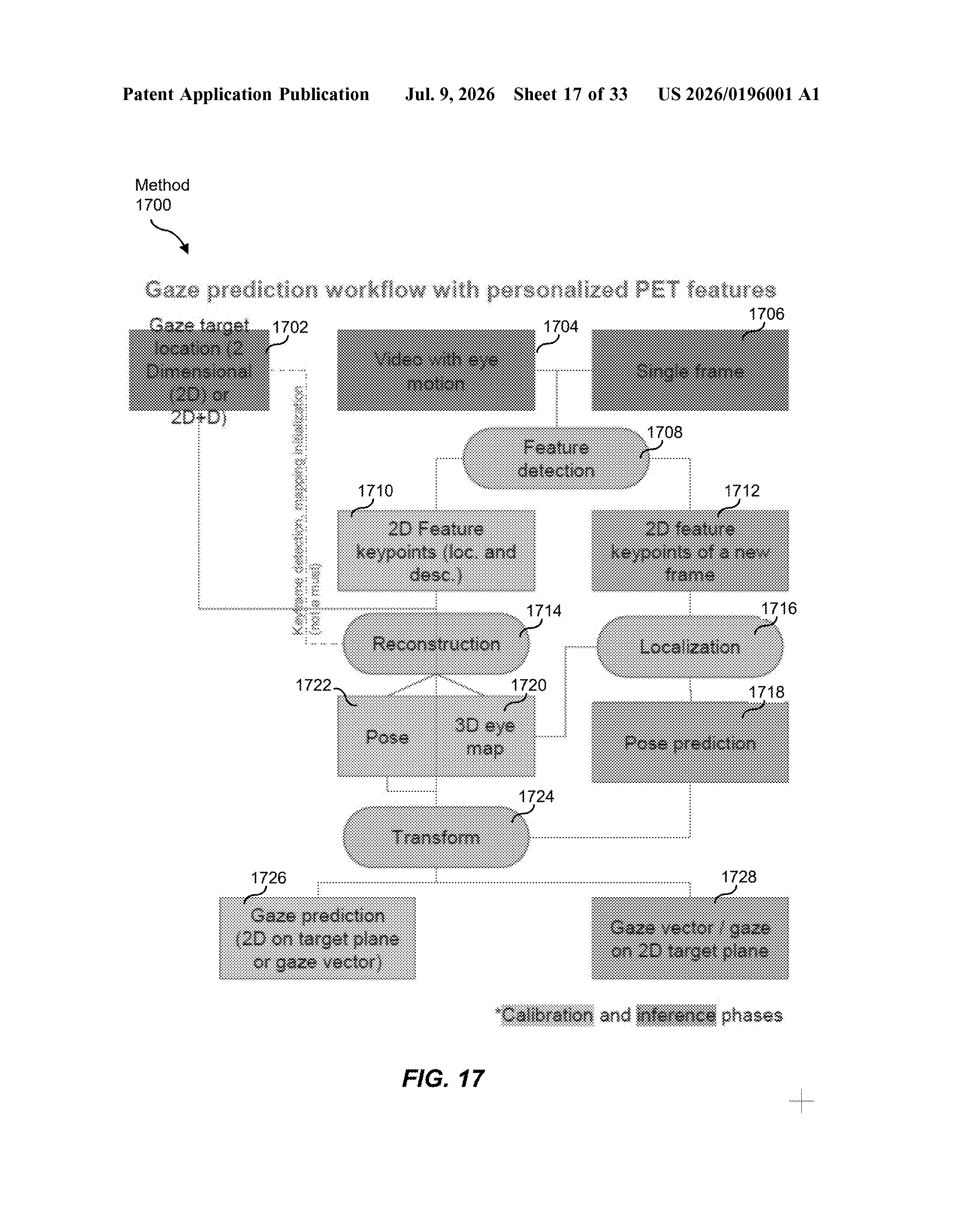
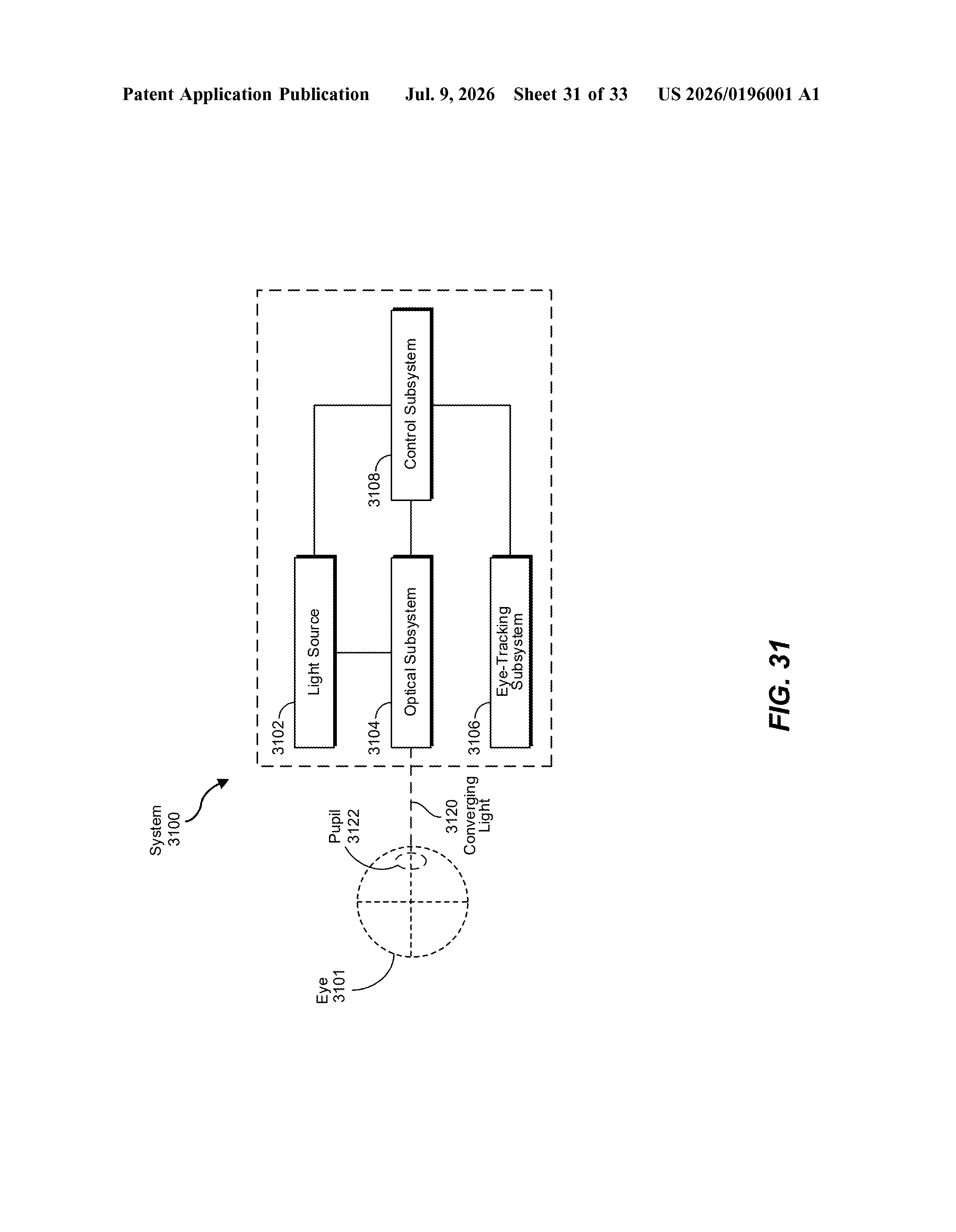
3. Biometric authentication via polarized cameras: A camera captures light that has been filtered to specific orientations (polarized light), which reveals subsurface skin structures invisible to normal cameras. The system analyzes these internal patterns and compares them to a stored profile to confirm identity.
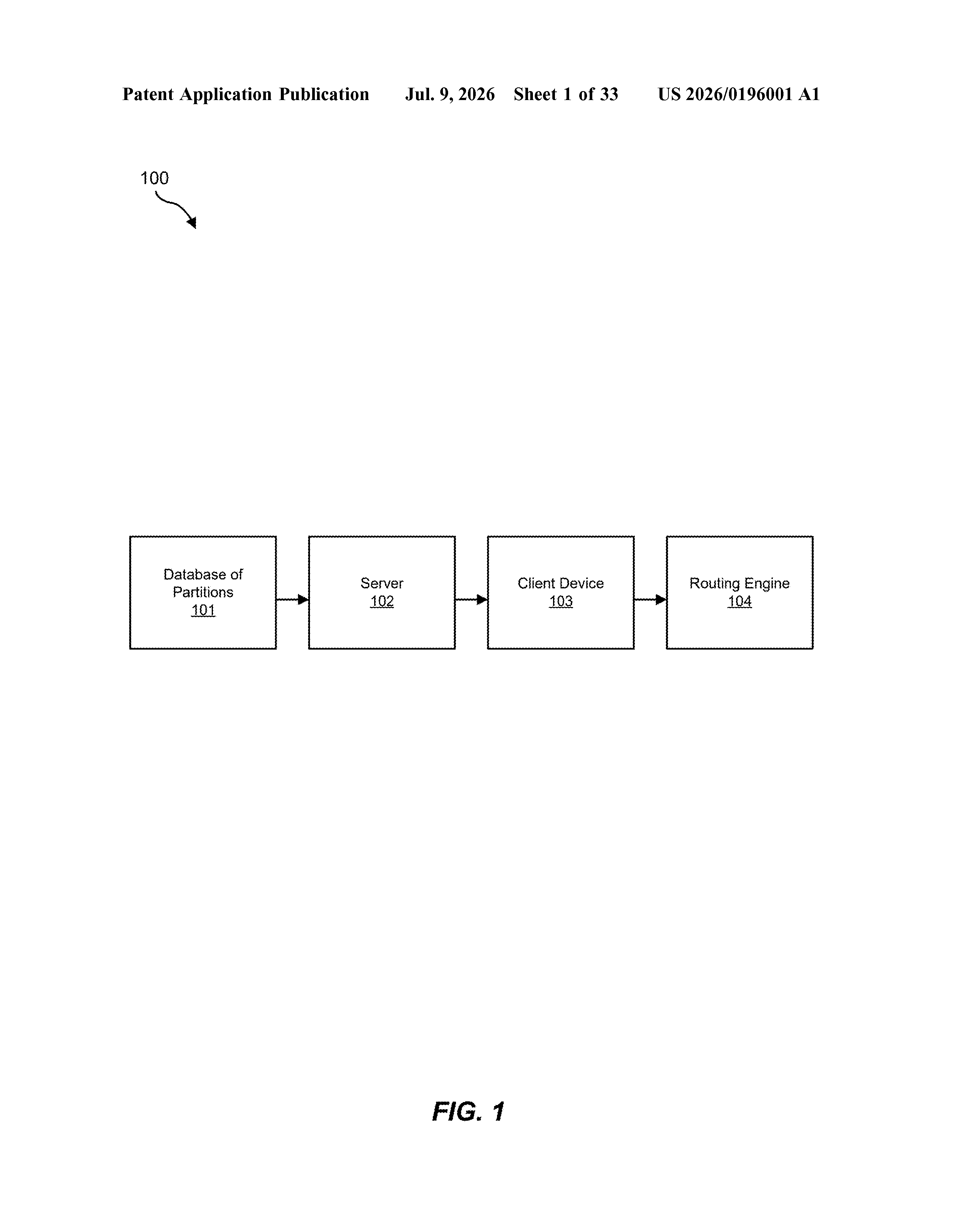
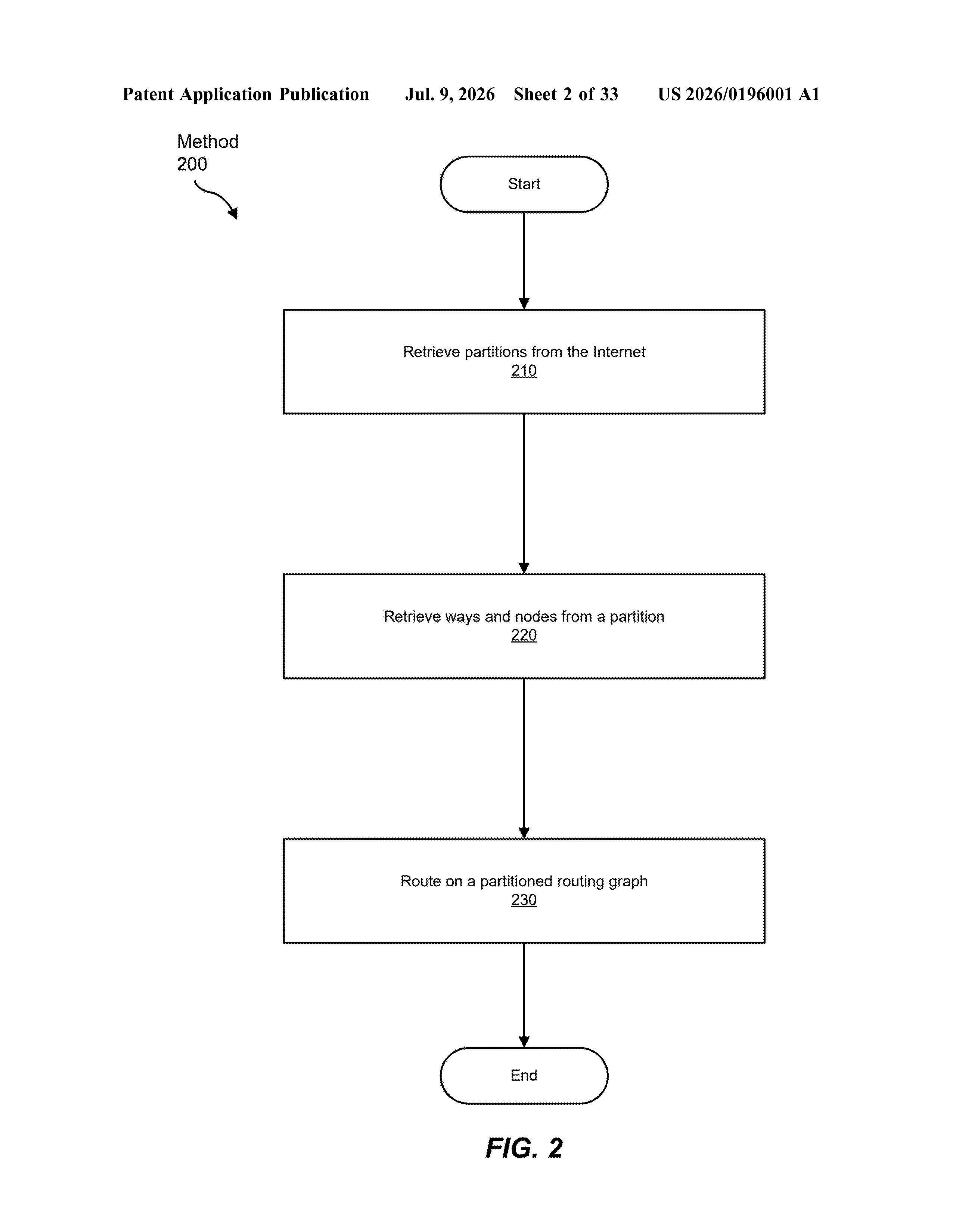
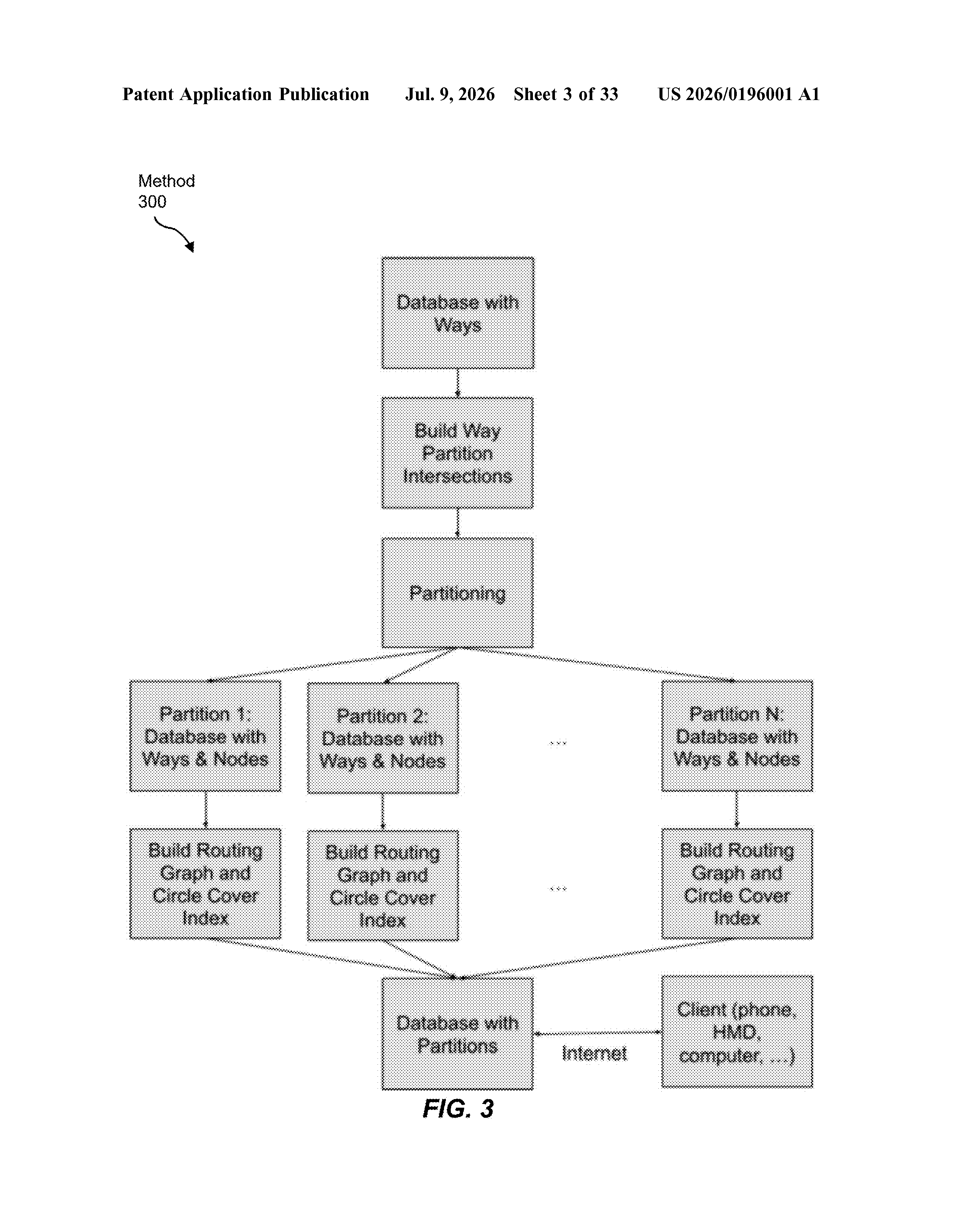
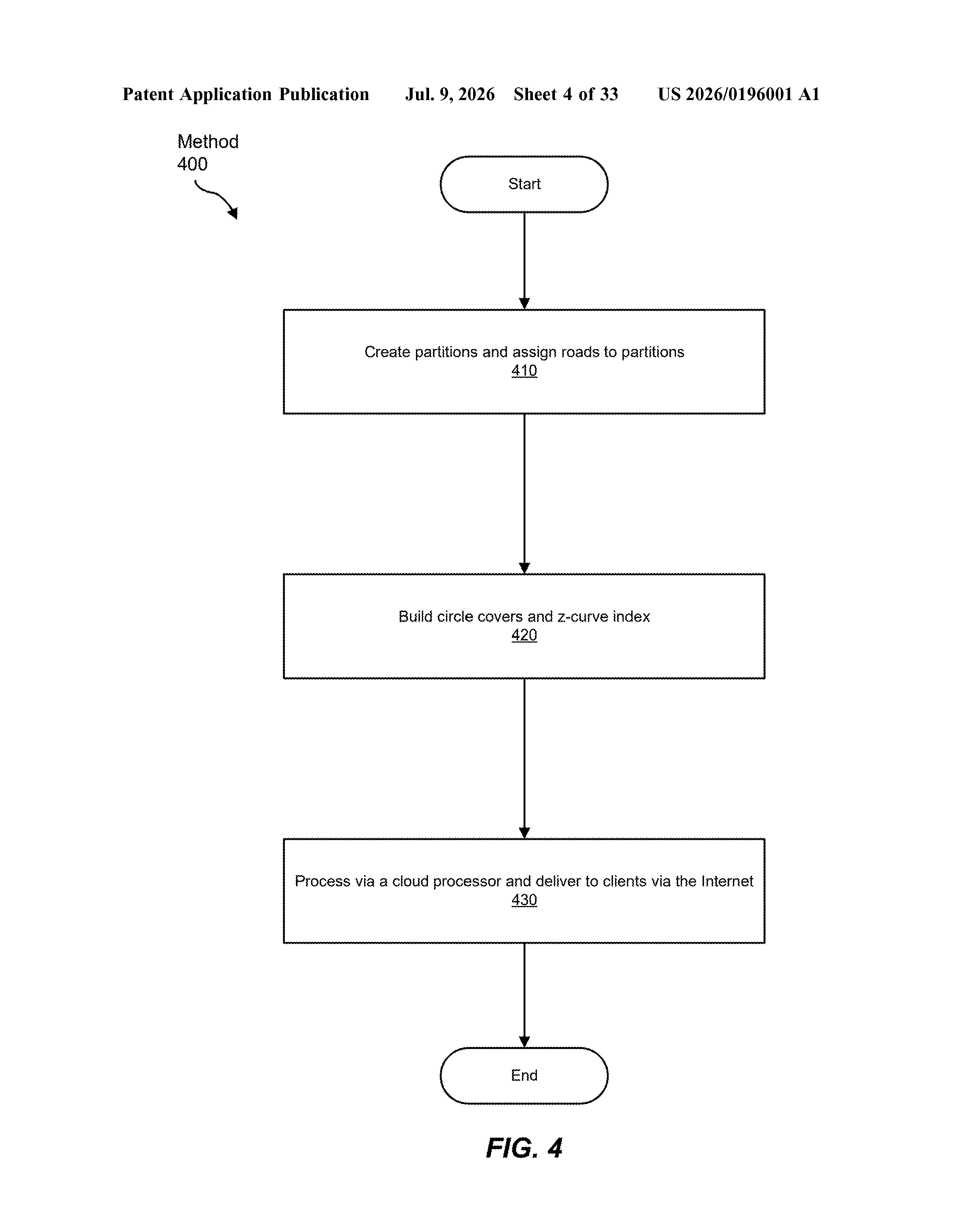
4 and 5. Mapping infrastructure: Two methods cover efficient road-network routing for AR navigation: one for processing on the device itself using partitioned map data, and one for pre-computing coverage maps on servers and delivering them to headsets. These are the least flashy parts of the filing.
What this means for Meta's Quest and AR glasses roadmap
The trophy and shared-space features point directly at Meta's push to make Quest headsets social platforms, not just gaming consoles. If your achievements become persistent, visible objects in a space your friends can visit, the headset starts functioning more like a living room you decorate than a screen you hold up.
The polarized-light login method is the most technically ambitious piece. Current headsets rely on PINs or simple face recognition. A system that reads internal skin structure would be far harder to spoof with a photo or a mask. If this ships in future hardware, it could become the default authentication layer for payments and private data on AR devices, which matters a lot as headsets get used for more sensitive tasks.
Bundle filings like this one are often a sign that a company is trying to protect a wide surface area around an emerging platform before competitors can. The trophy and shared-space claims are genuinely interesting social mechanics. The polarized biometric system is the standout, because it solves a real and growing problem: how do you securely log someone in when they're wearing a device over their face? The routing methods are dull infrastructure work but necessary for AR navigation to function at scale.
Get our take in your Top Stories
Liked this breakdown? Add Patentlyze as a preferred source on Google, and our plain-English take shows up more often in your Top Stories the next time Meta patent news breaks.
There are more where this came from
We read every patent application Big Tech publishes and send you the ones worth knowing. Plain English, free, every week.
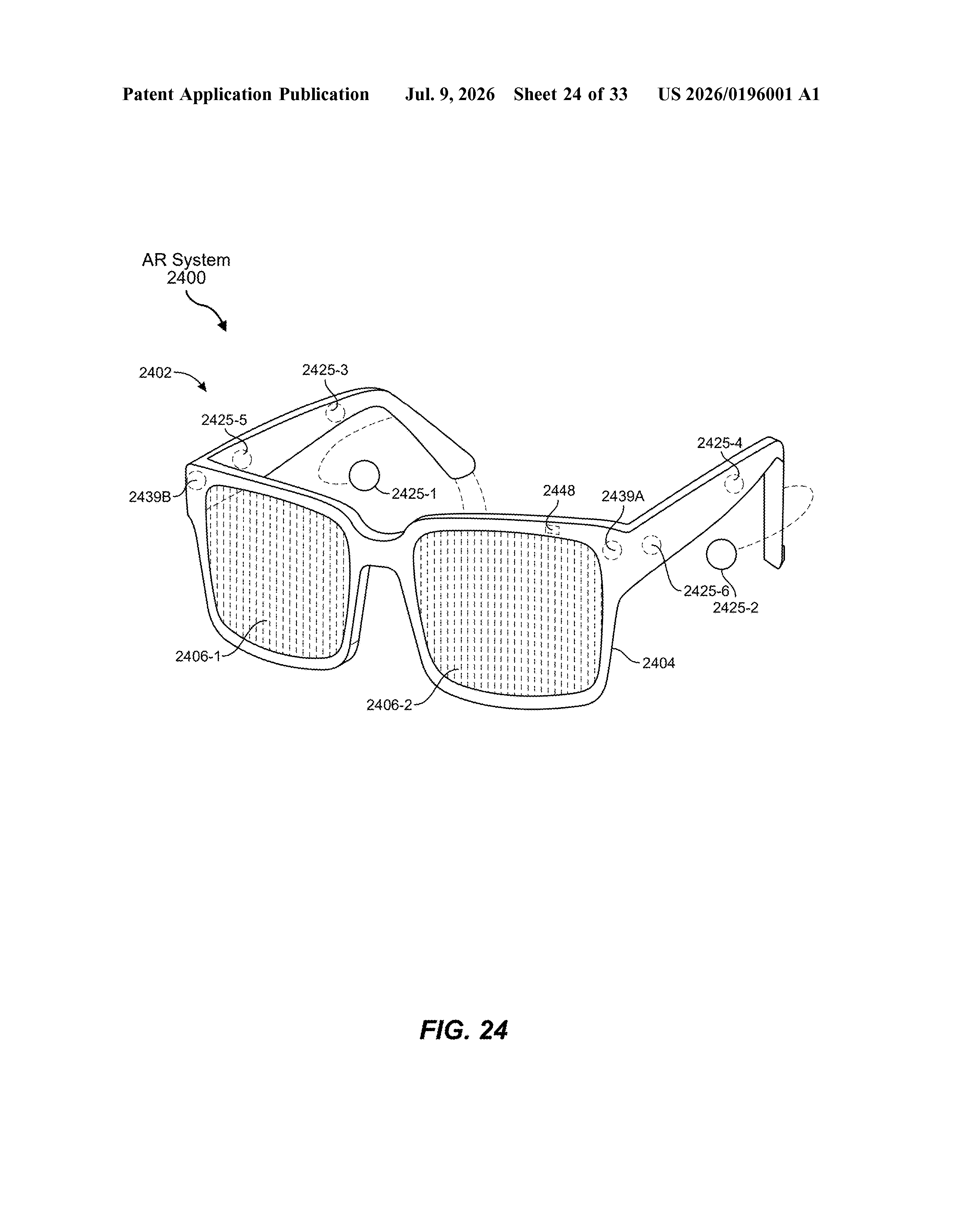
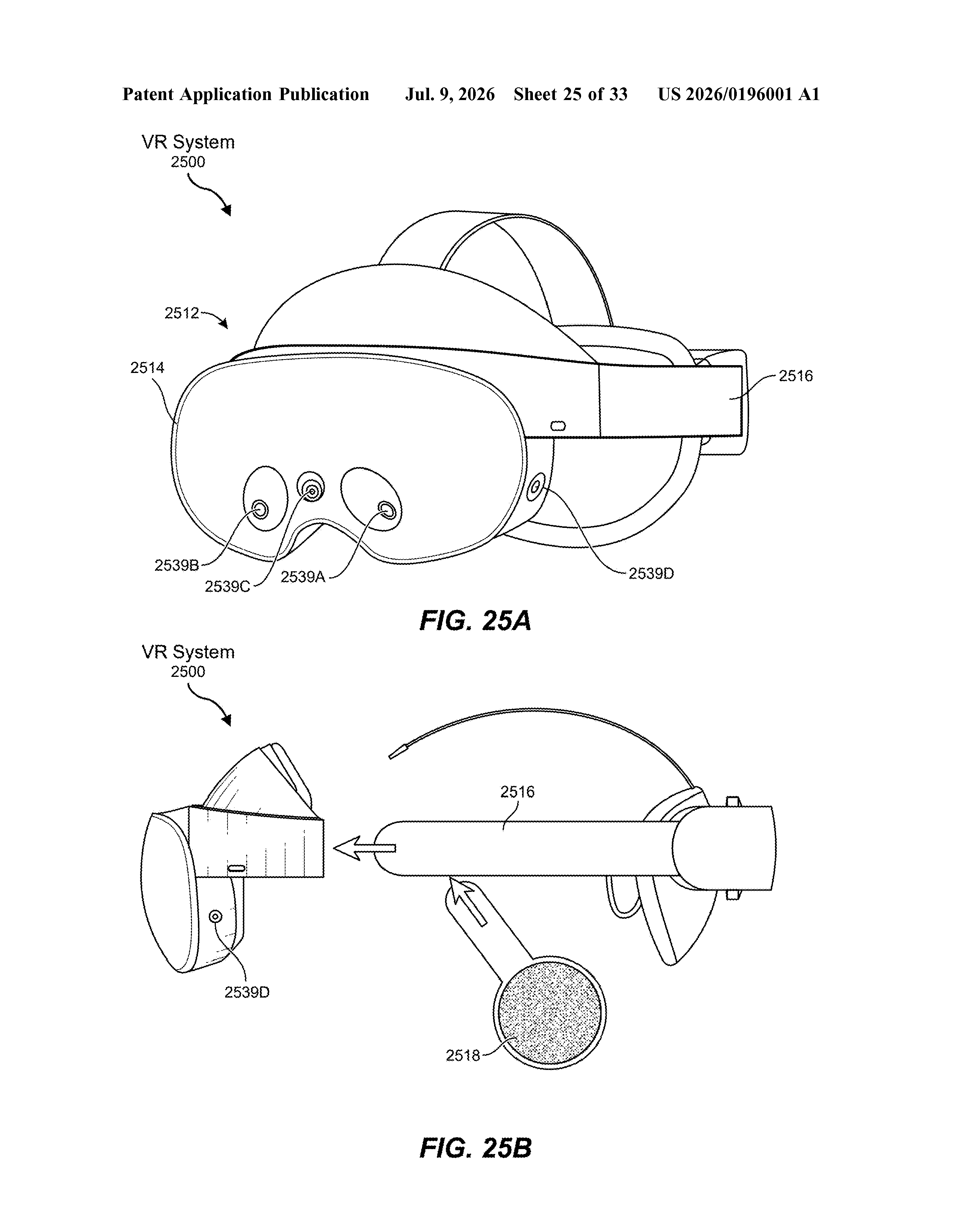
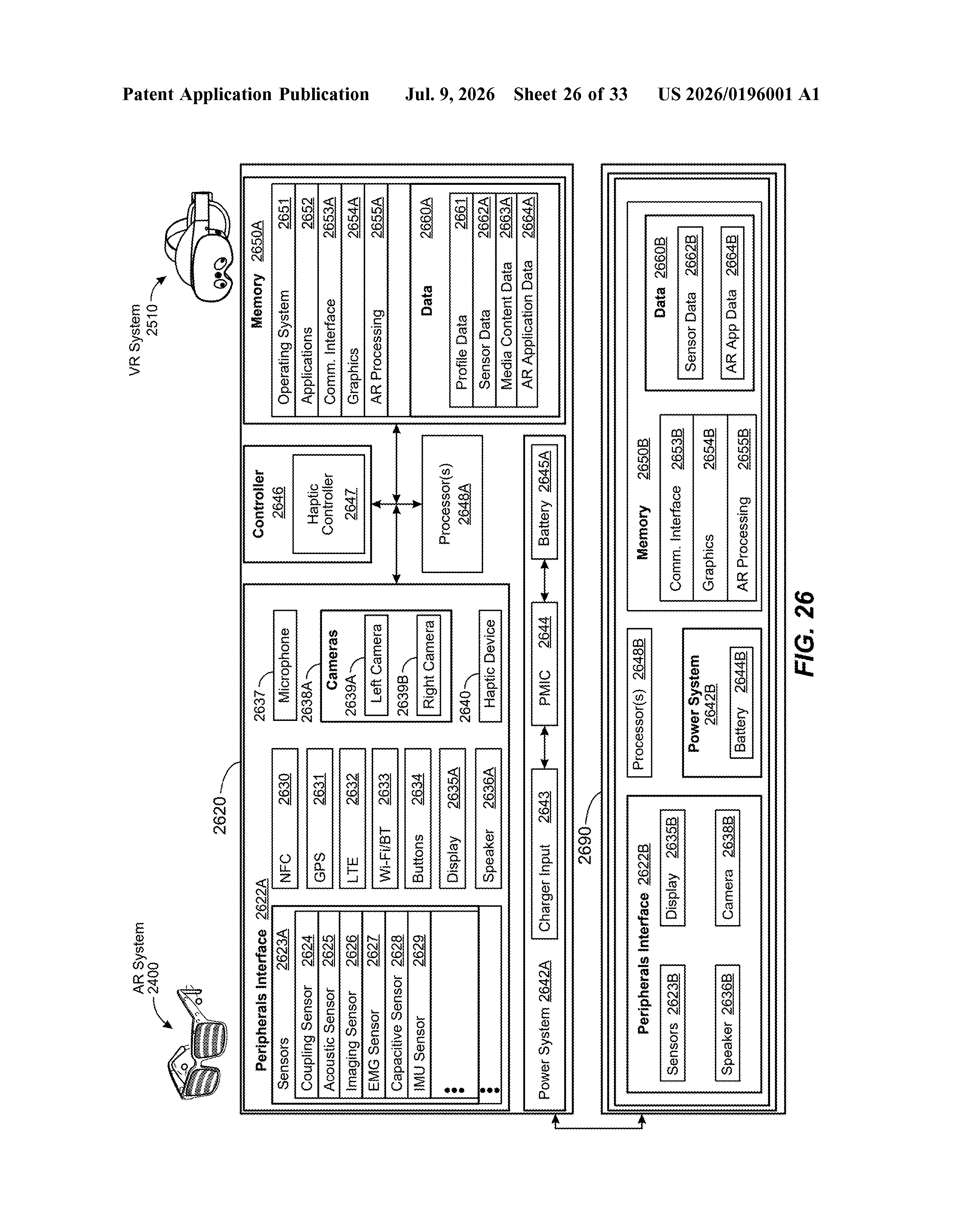
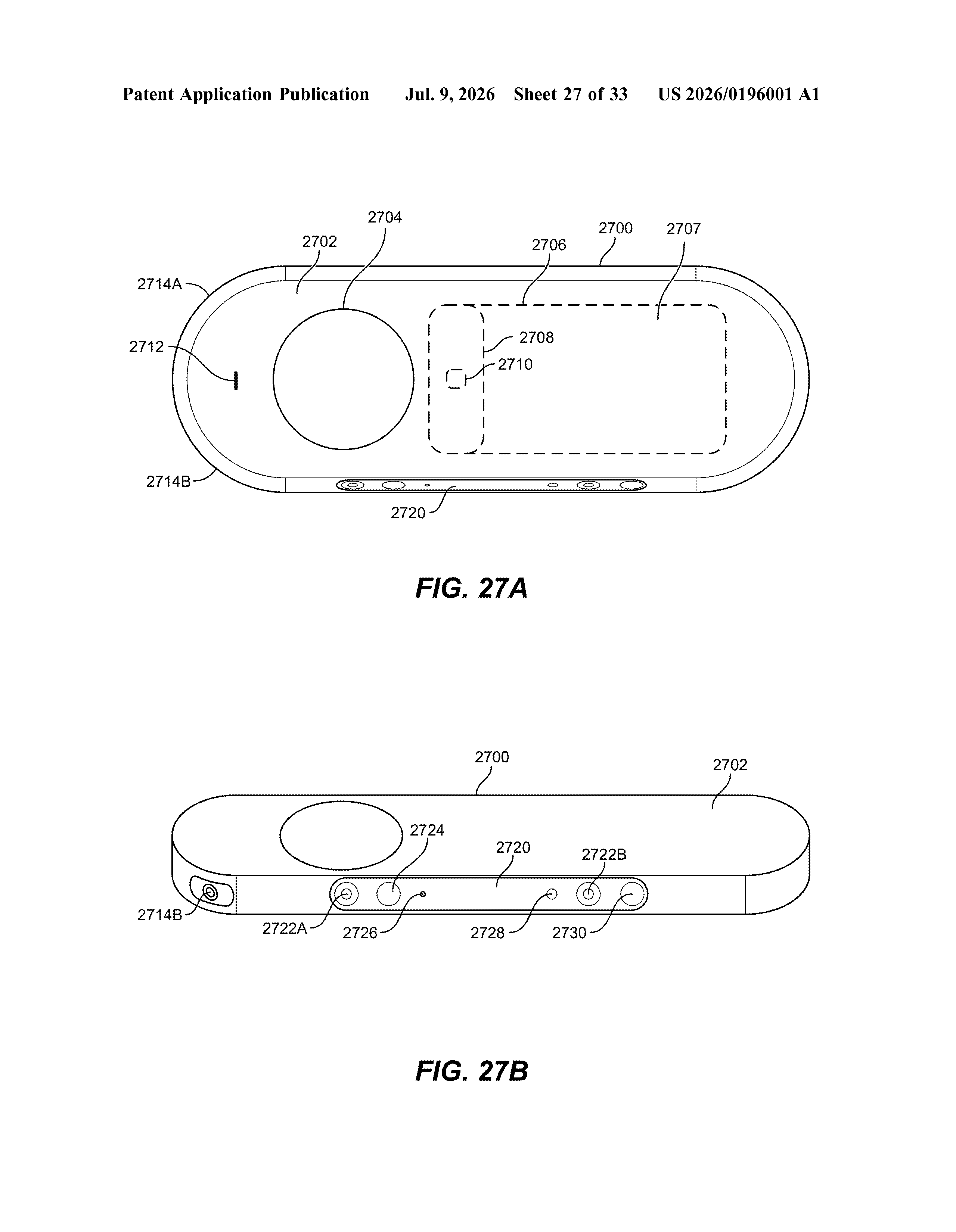
The drawings
33 drawing sheets from US 2026/0196001 A1 · click any drawing to enlarge
Show the other 25 sheets
Want this weekly breakdown for a company we don't cover? Patentlyze Pro →