
Microsoft Patents an AI That Learns Your Writing Voice From Your Own Documents
Most AI writing tools sound like AI. Microsoft is filing a patent for a system that's supposed to sound like you, by feeding the model samples of your own writing before it generates anything.
What Microsoft's personal-voice AI actually does
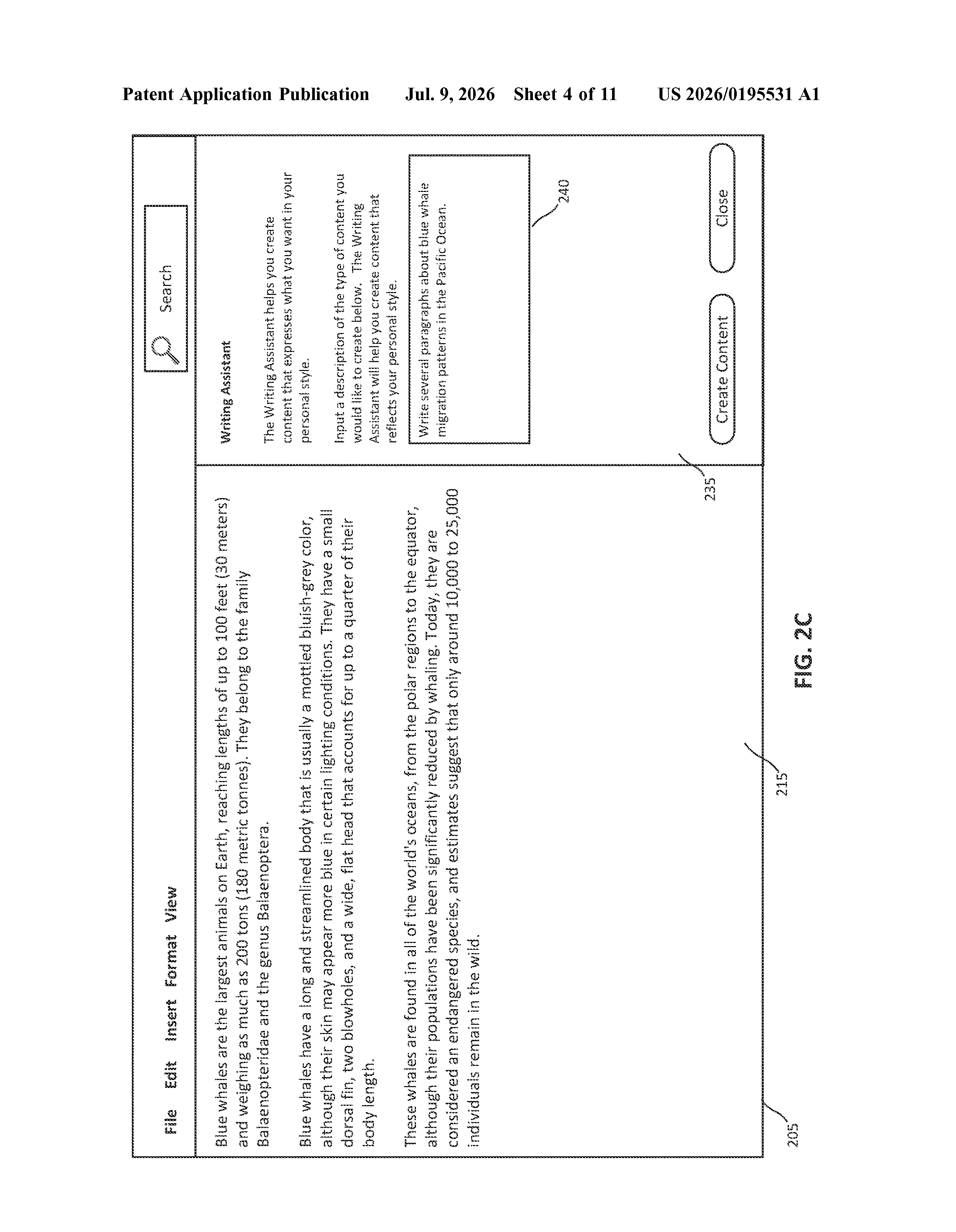
Imagine you ask an AI assistant to draft a work email, and instead of getting that polished-but-generic corporate tone, it comes back sounding like something you would have actually written, with your rhythm, your word choices, your habits. That's what this Microsoft patent is describing.
The system works by looking up things you've already written, emails, documents, notes, and then bundling those samples into the request it sends to the AI. The AI is told, in plain terms: look at this person's writing, then write the new thing the same way they would.
You don't have to train anything yourself or pick a style setting. Your identifier (essentially your user account) is enough for the system to go find your past work and use it as a stylistic reference on the fly.
How the system builds a style-mimicking prompt
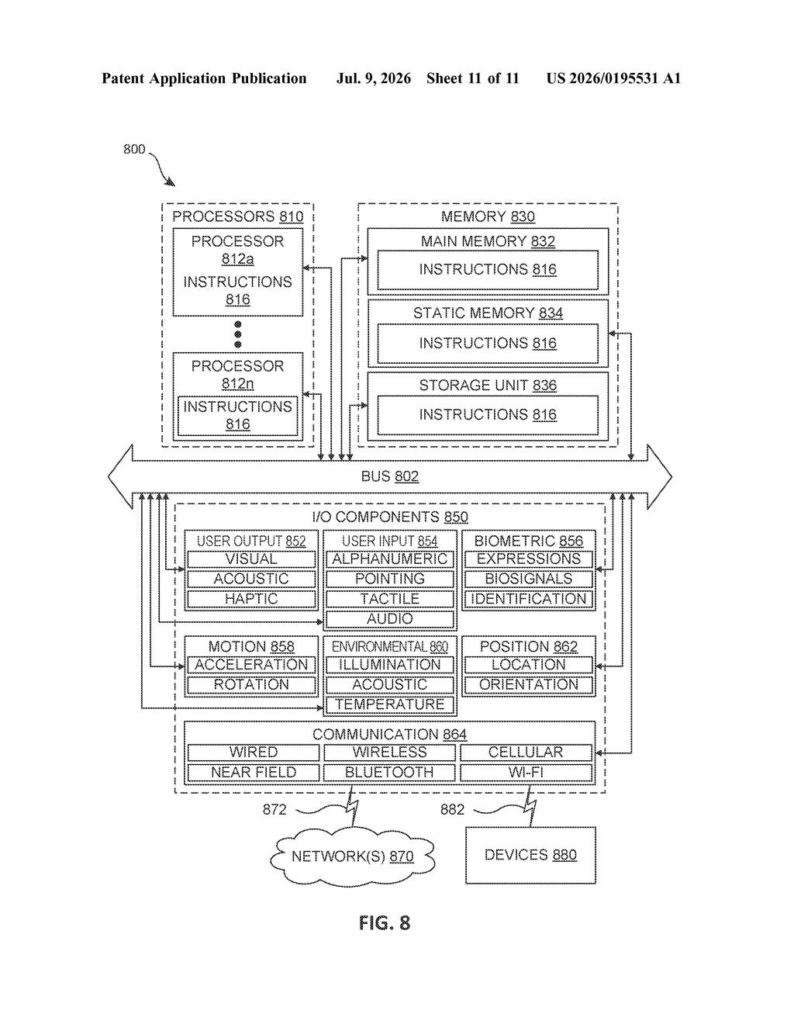
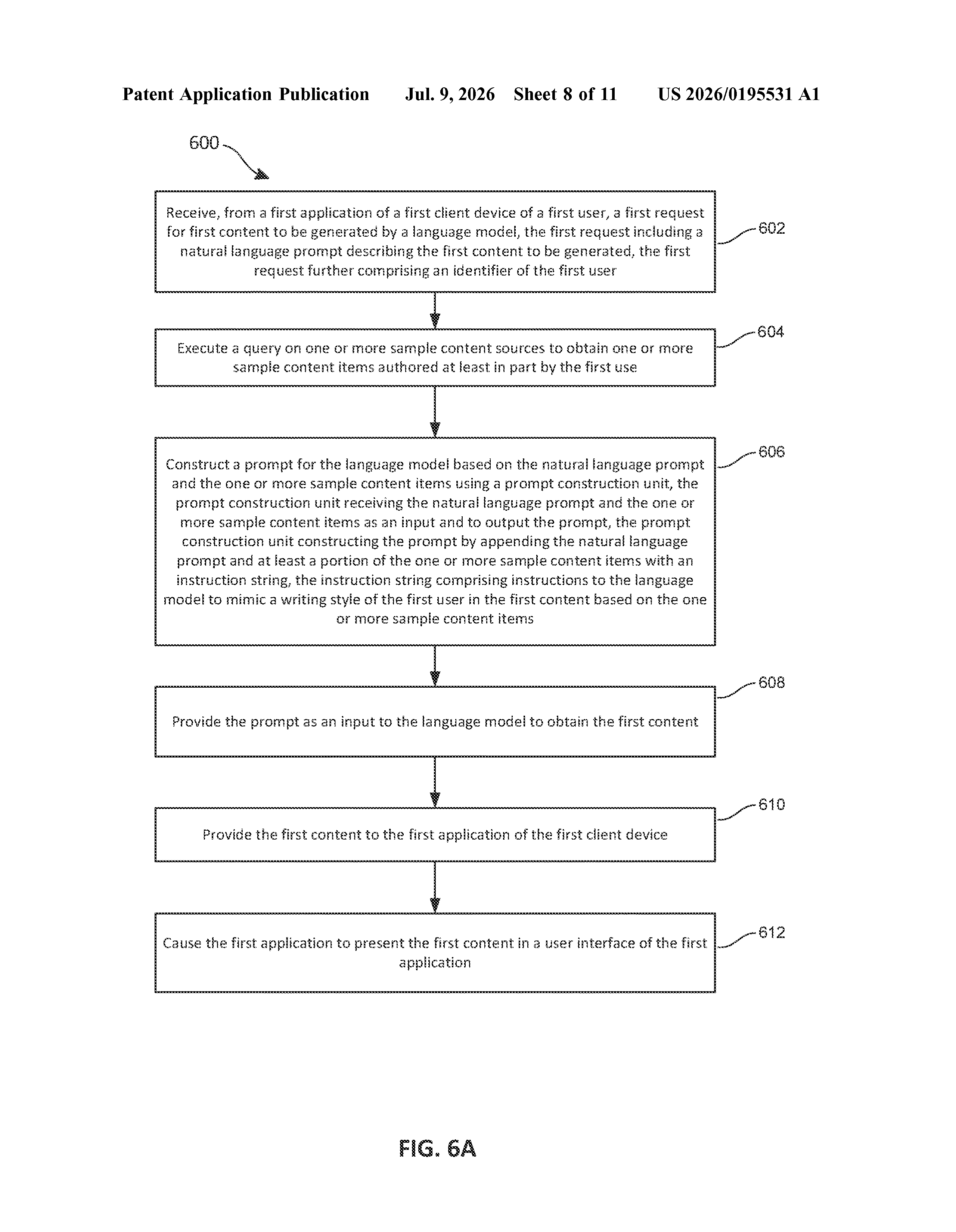
When you ask a supported application to generate content, the system intercepts that request and attaches two extra pieces of information before the AI ever sees it.
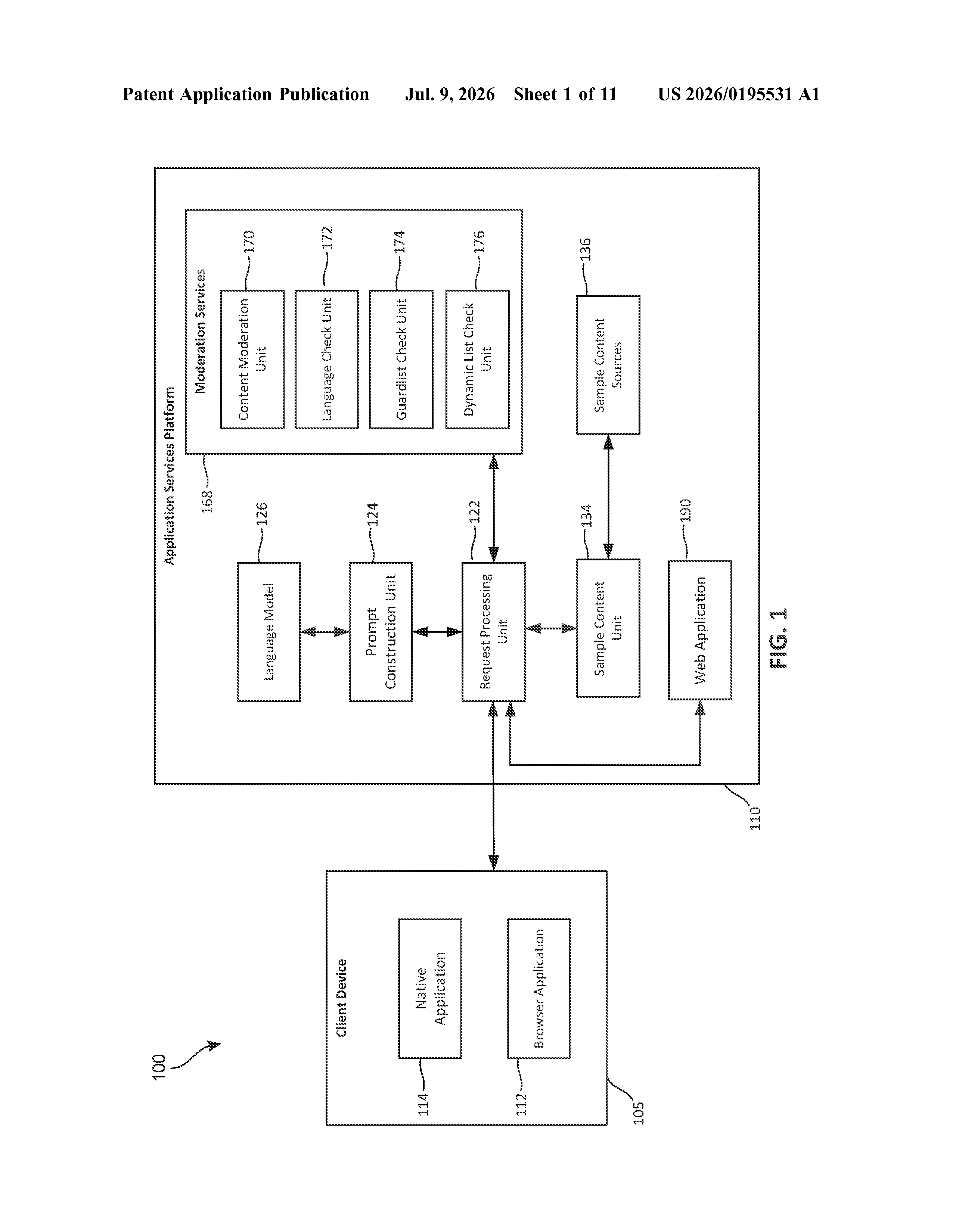
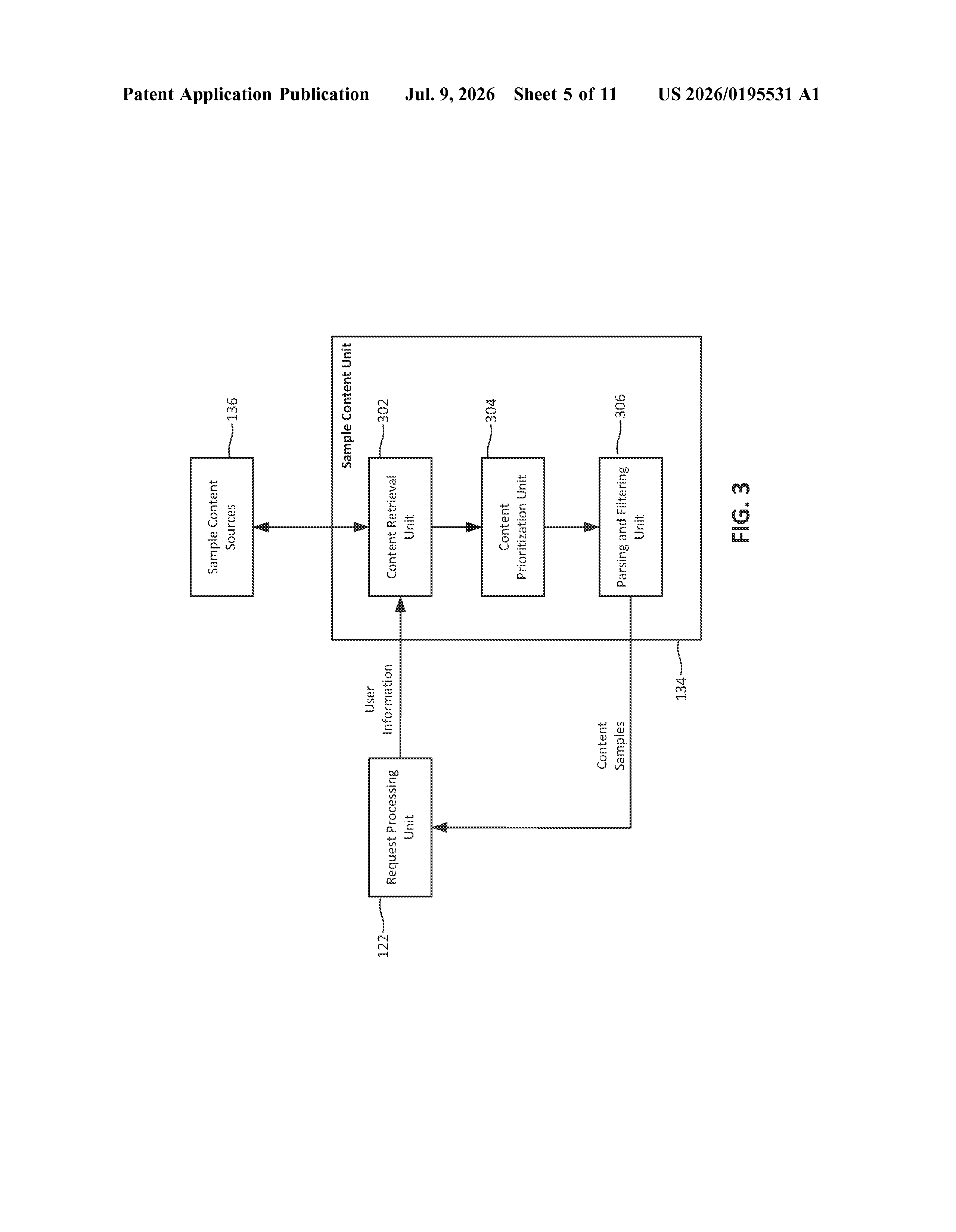
First, it queries one or more "sample content sources" using your user ID. Those sources are places where your previous writing lives: think your email inbox, your OneDrive documents, or internal company tools. It pulls back a set of samples you authored.
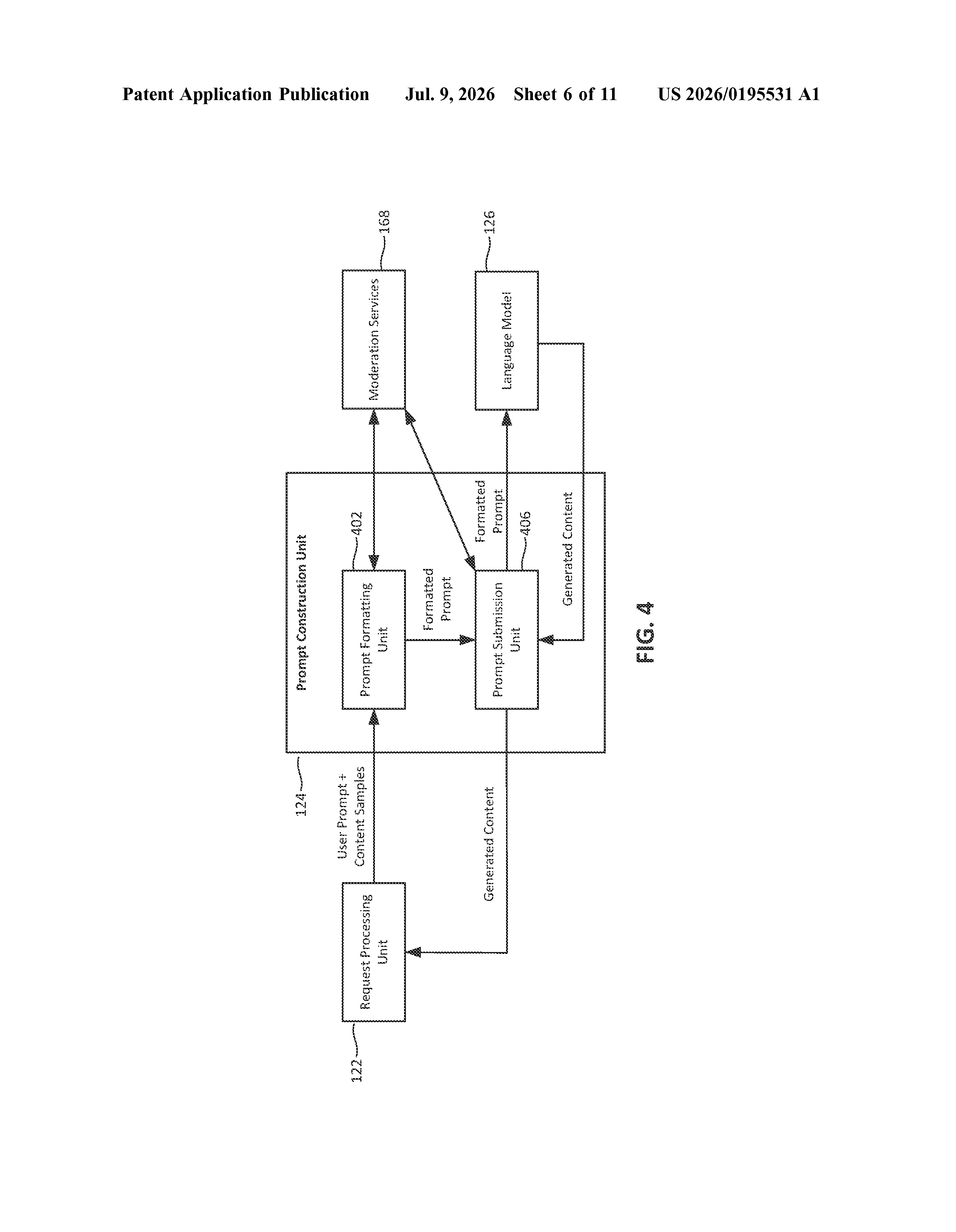
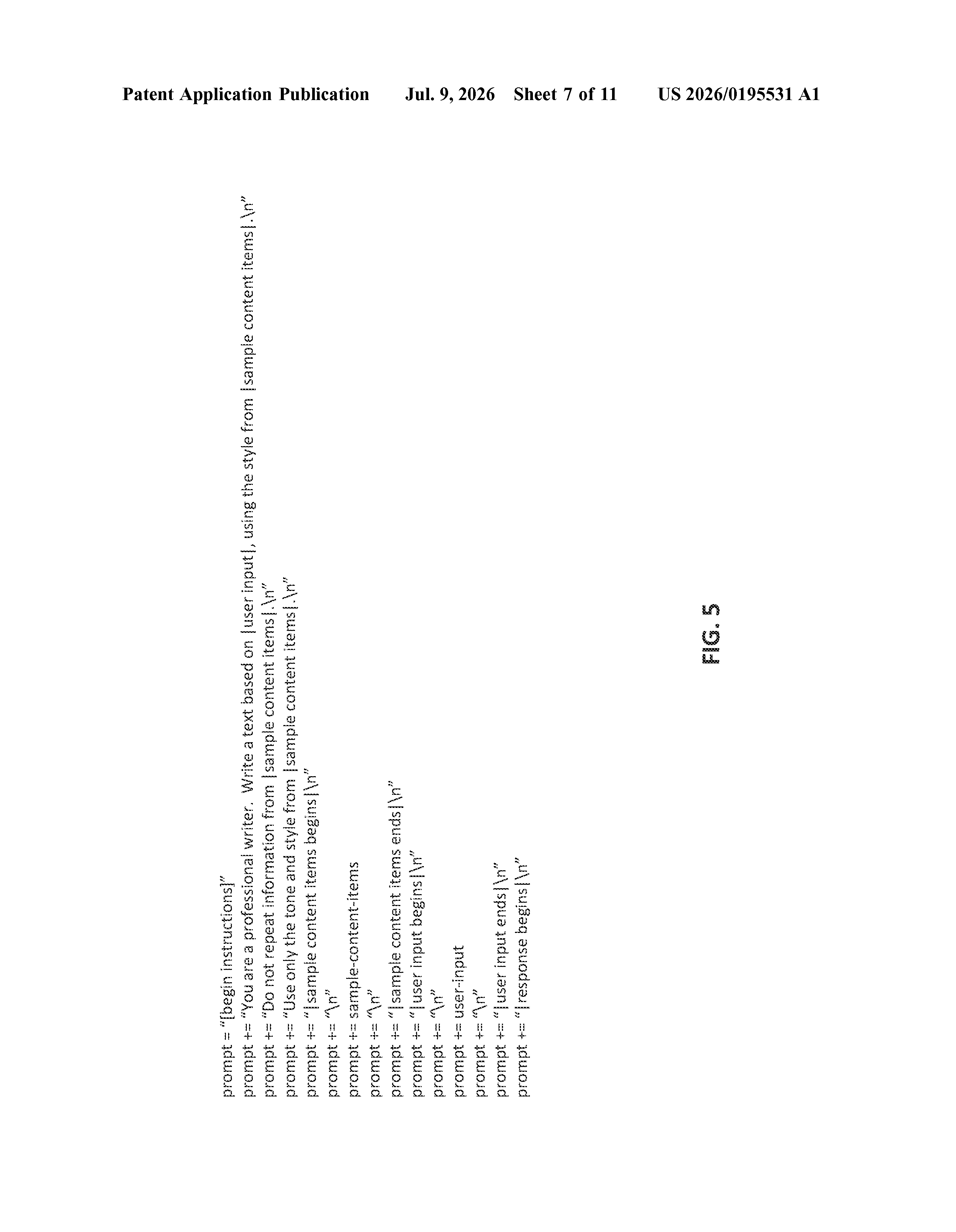
Second, a component called the prompt construction unit stitches everything together. It takes your original request ("write me a summary of this project"), appends samples of your past writing, and adds an explicit instruction string telling the language model to mimic your style based on those samples. That combined package is what actually gets sent to the AI.
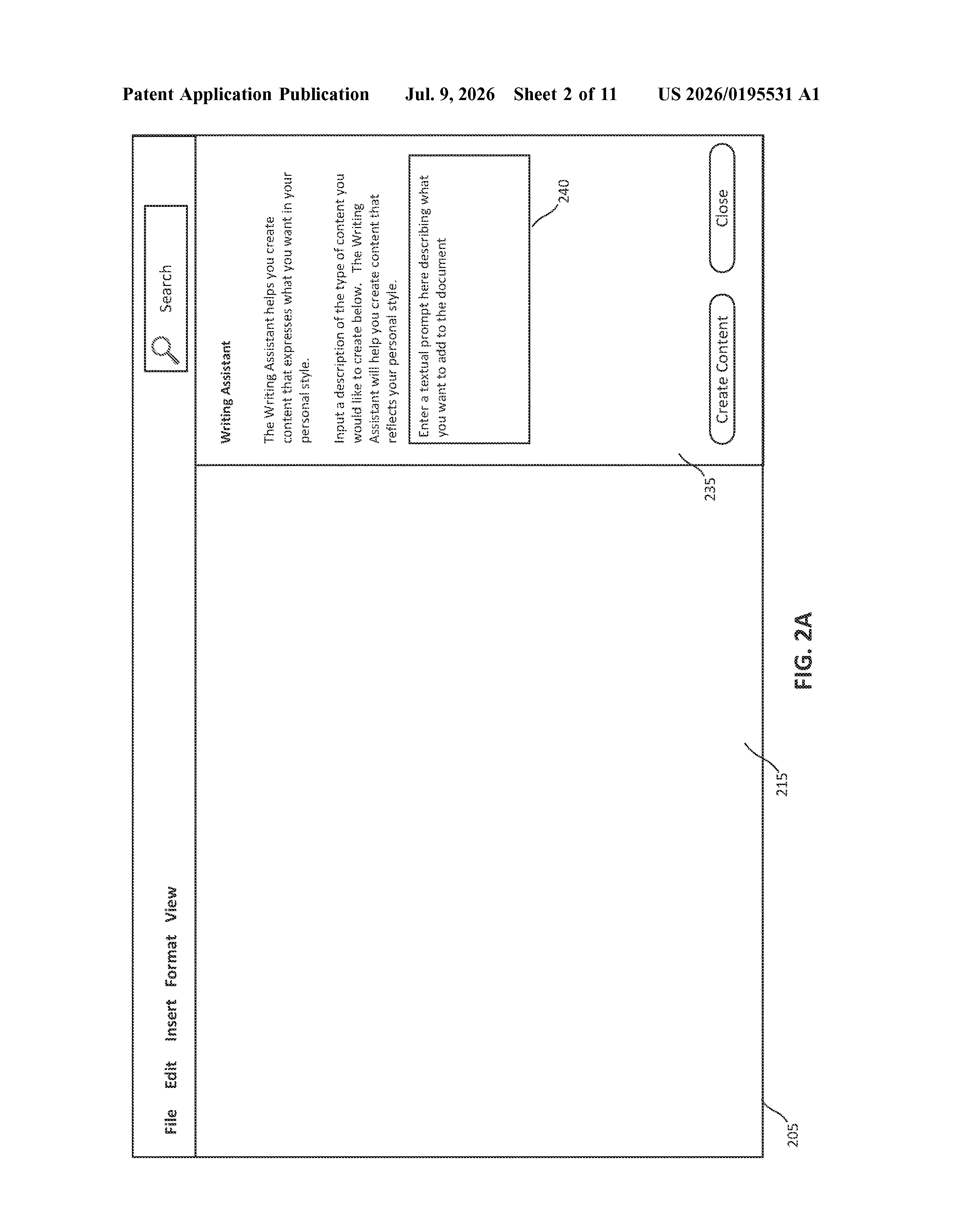
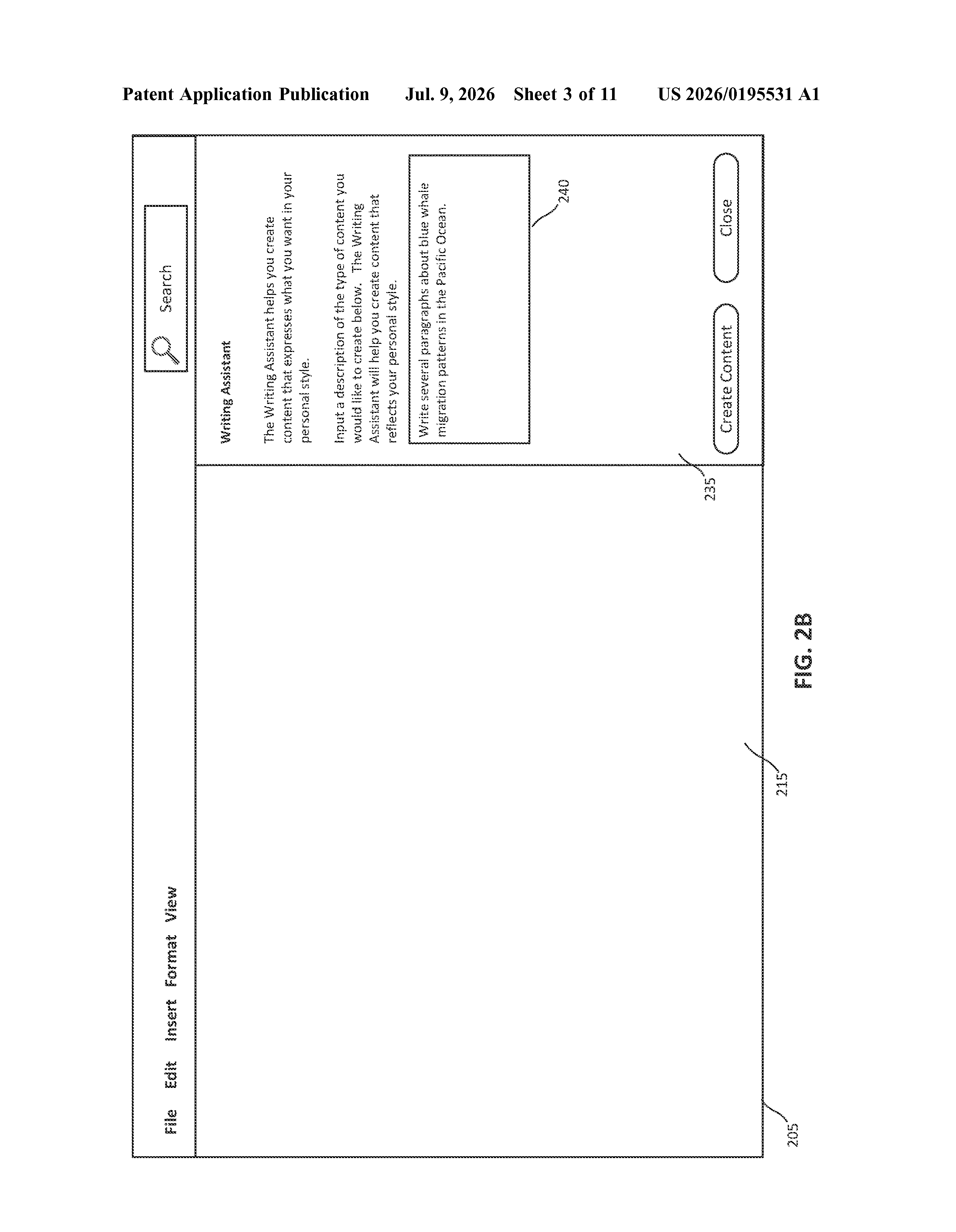
The AI then generates content shaped by your writing patterns, not just the generic defaults baked into the model. The result is delivered back to whichever app you were using and displayed inline, without you ever leaving the interface.
Key components the patent identifies:
- A user identifier that links you to your writing history
- Sample content sources that can be queried on demand
- A prompt construction unit that assembles the style-aware request
- An instruction string explicitly directing the AI to mimic your voice
What this means for Copilot and everyday writing tools
Microsoft has been building Copilot into nearly every product it sells, from Word to Outlook to Teams. One of the loudest complaints about AI-generated text is that it sounds generic and impersonal, which matters enormously in contexts like customer-facing emails, executive communications, or anything where voice and tone carry professional weight. A system that pulls from your actual writing history is a direct answer to that criticism.
For everyday users, this could mean AI drafts that actually sound like you wrote them and need only light editing rather than a full rewrite. The catch, worth keeping in mind, is that it requires access to your prior writing, which raises questions about what content sources the system is authorized to read and who controls that.
This is one of the more practically useful AI-writing patents Microsoft has filed, because it targets the exact thing that makes generated text annoying to use professionally: it doesn't sound like the person it's supposed to represent. The approach of dynamically injecting writing samples into the prompt is straightforward but genuinely effective, and it fits neatly into what Copilot already does with organizational data. The privacy questions around which documents get sampled are real, but that's an implementation choice, not a flaw in the concept.
There are more where this came from
We read every patent application Big Tech publishes and send you the ones worth knowing. Plain English, free, every week.
The drawings
11 drawing sheets from US 2026/0195531 A1 · click any drawing to enlarge
Want this weekly breakdown for a company we don't cover? Patentlyze Pro →