
Sony Patent Splits Personal Data Across Machines for Private AI Processing
Sony is patenting a way to run AI analysis on personal data without any single computer ever getting to see the whole thing. It's a privacy-first approach to machine learning that could matter a lot as AI systems process more sensitive information.
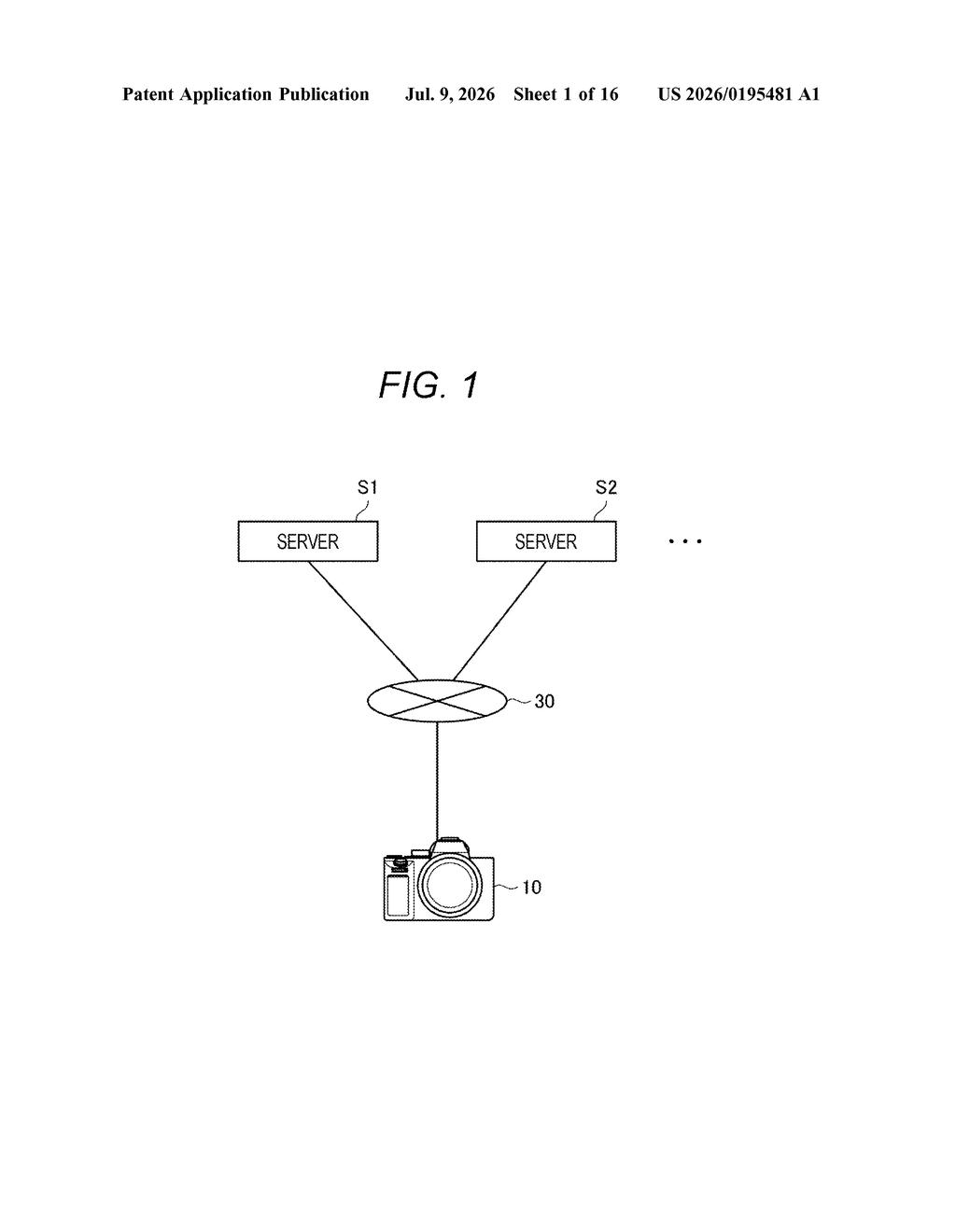
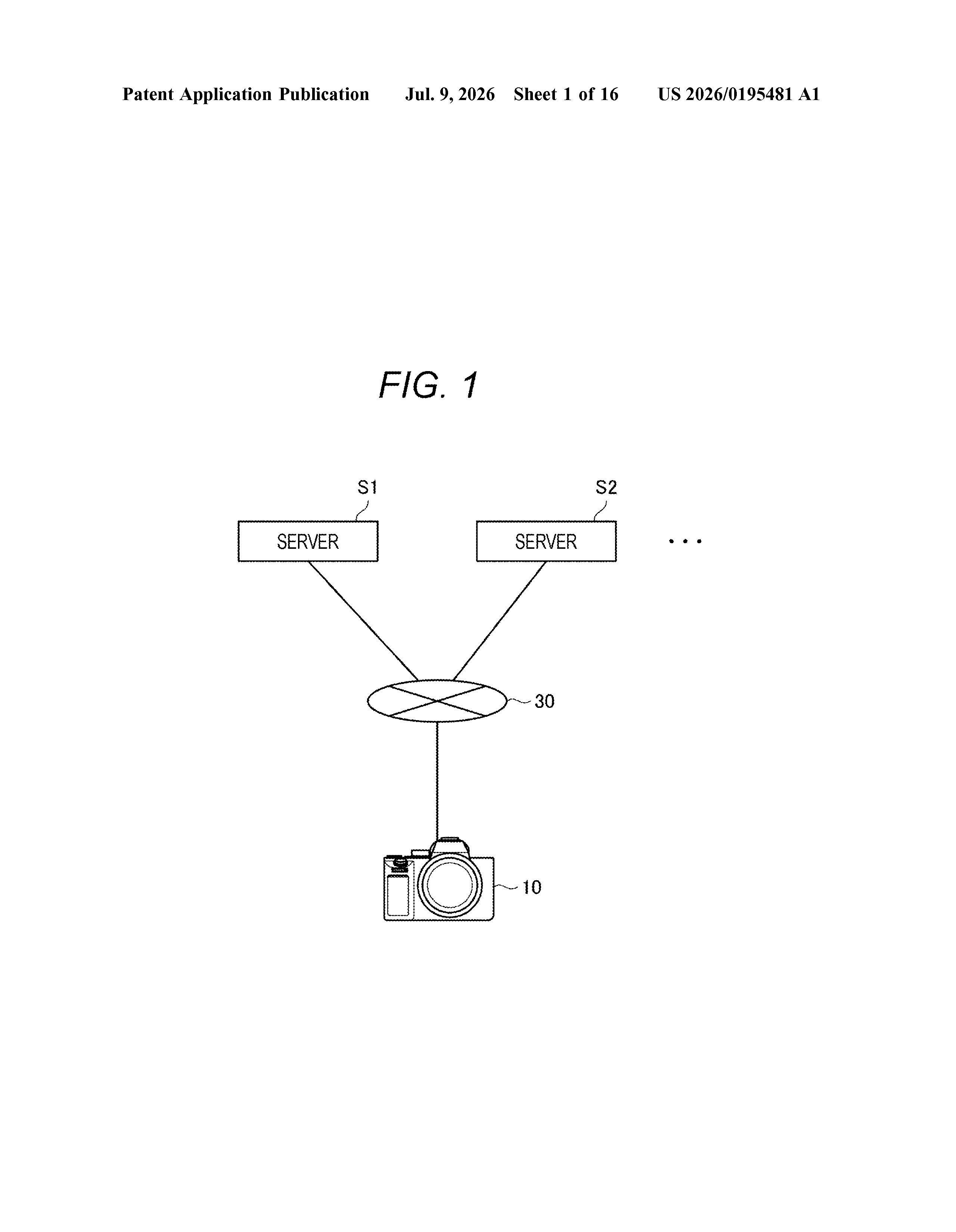
How Sony's data-splitting privacy trick works
Imagine your medical records being analyzed by an AI, but instead of sending your full file to one server, the system splits your data into two pieces and sends each piece to a different machine. Neither machine ever has enough information on its own to reconstruct who you are or what your data says.
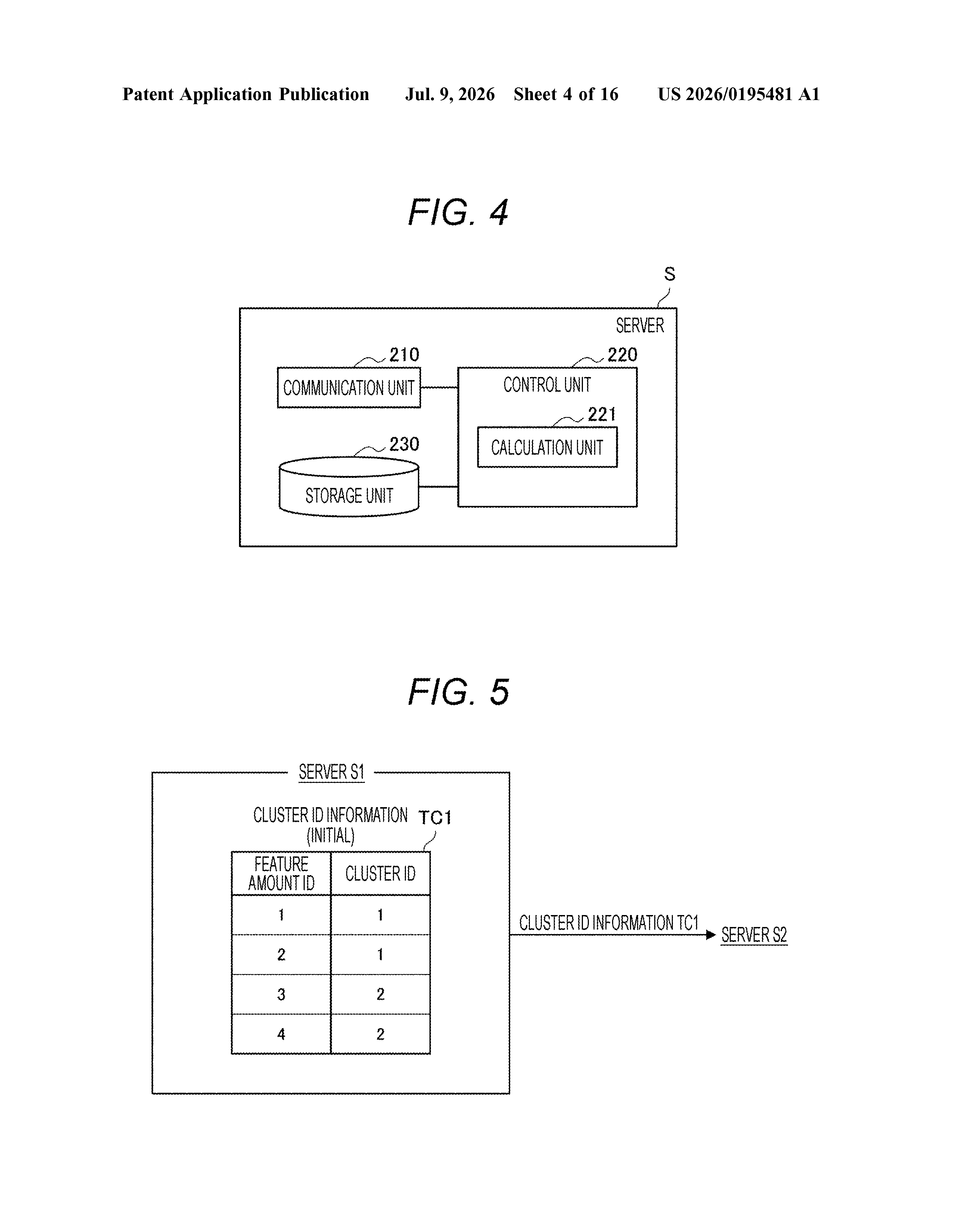
That's the core idea in this Sony patent. When AI systems need to group or categorize data (a process called clustering, used everywhere from recommendation engines to fraud detection), they typically need to look at the full data point. Sony's approach lets two separate machines each hold only a fragment, then do their calculations on those fragments independently.
The end result is that the AI can still do its job, sorting data into meaningful groups, without either machine ever holding your complete personal information. It's privacy built into the math, not bolted on afterward.
How the partial feature vectors stay separated across nodes
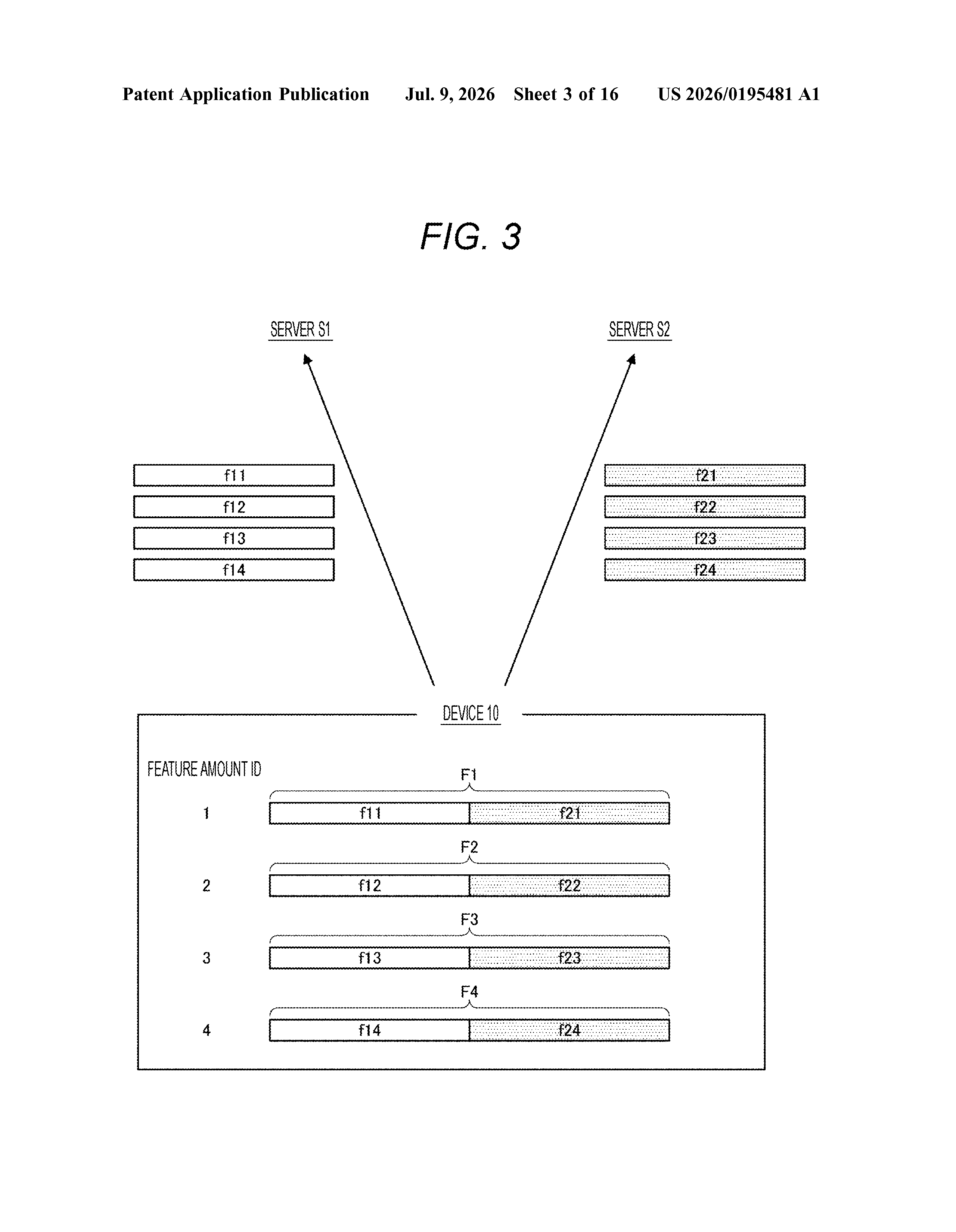
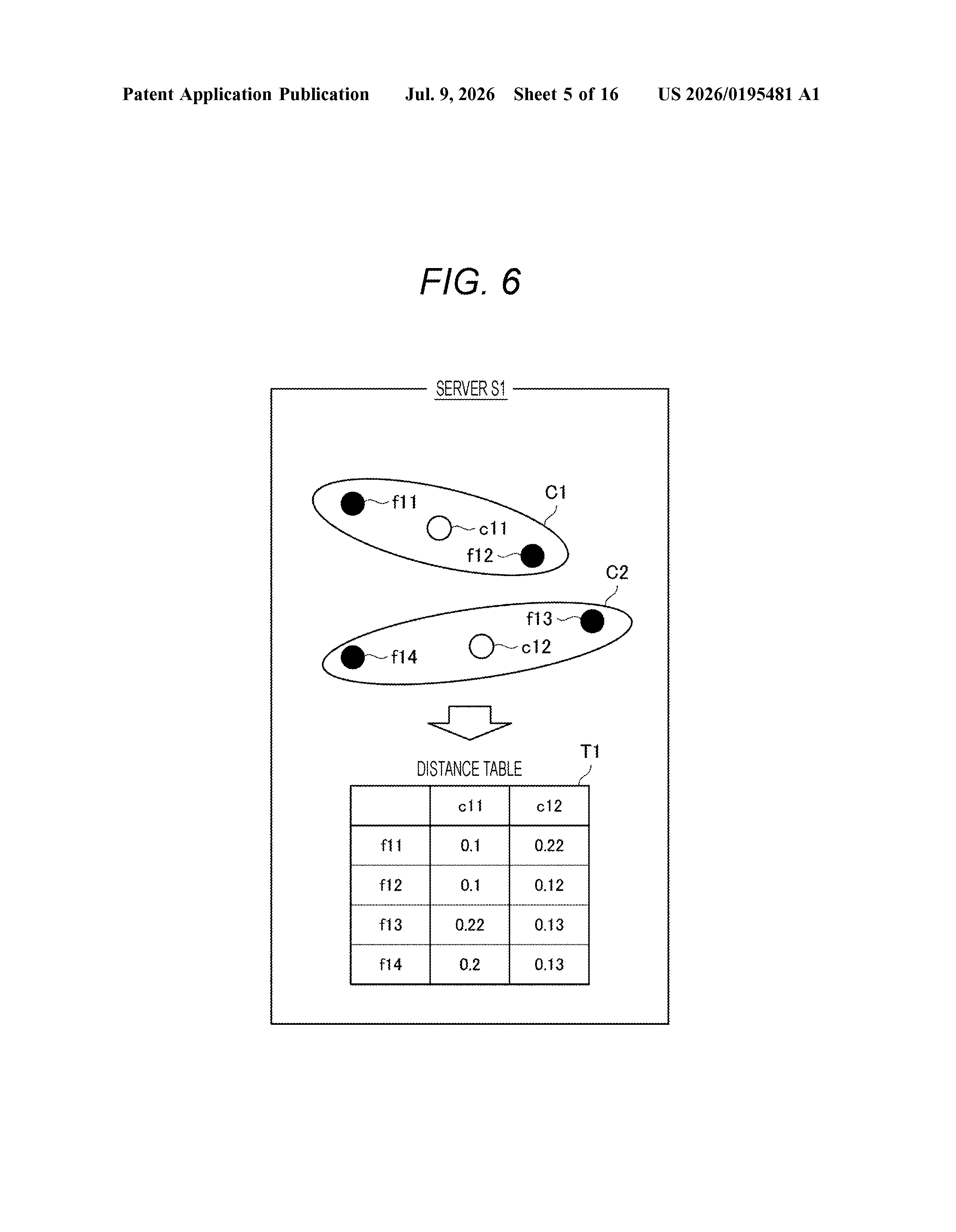
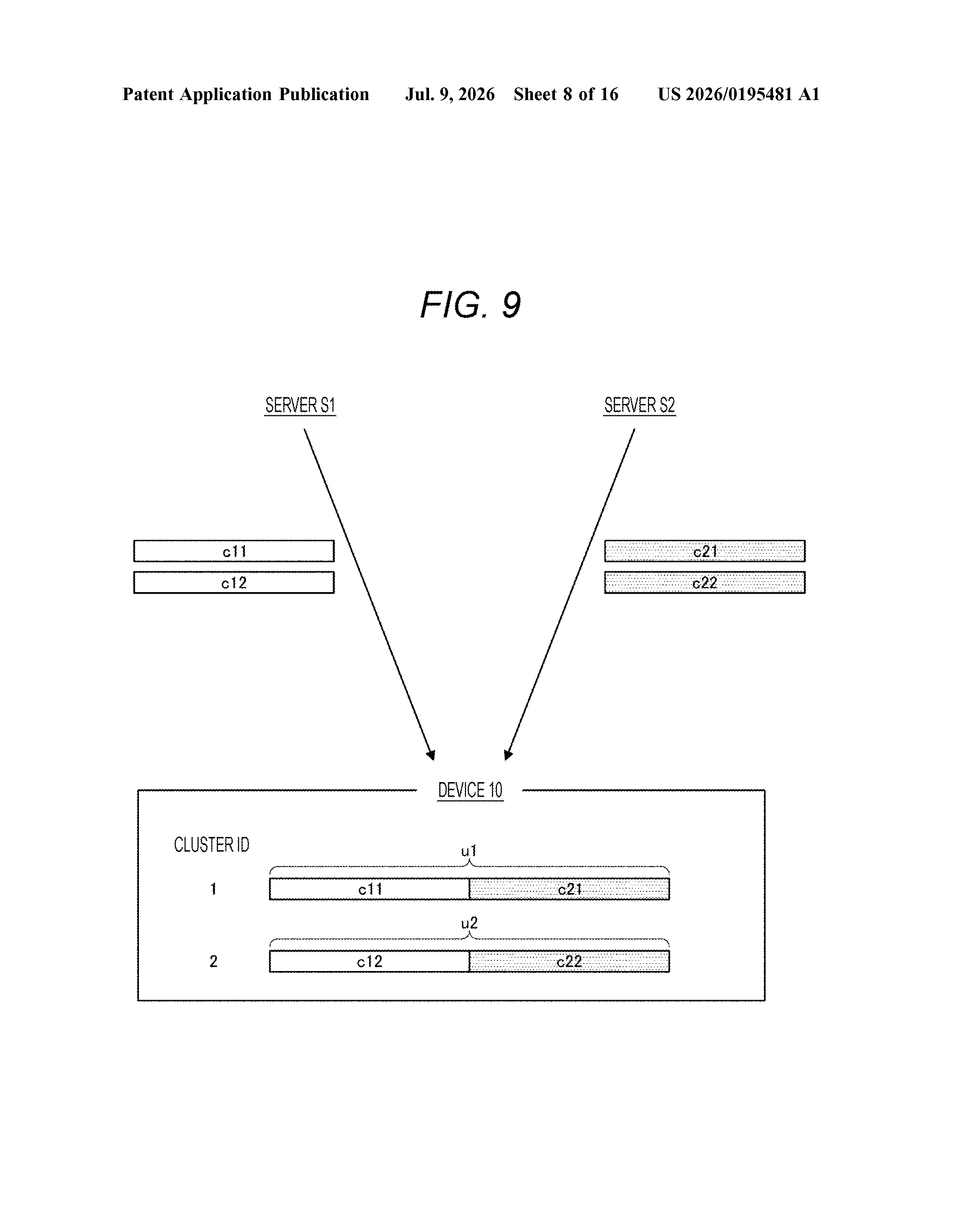
The patent describes a system where each data point (called a feature amount, essentially a collection of numbers that represent something about a person or object) is split into two partial sets along different dimensions.
- One machine holds some of the numerical dimensions of each data point, the other machine holds the remaining dimensions. Neither has the full set.
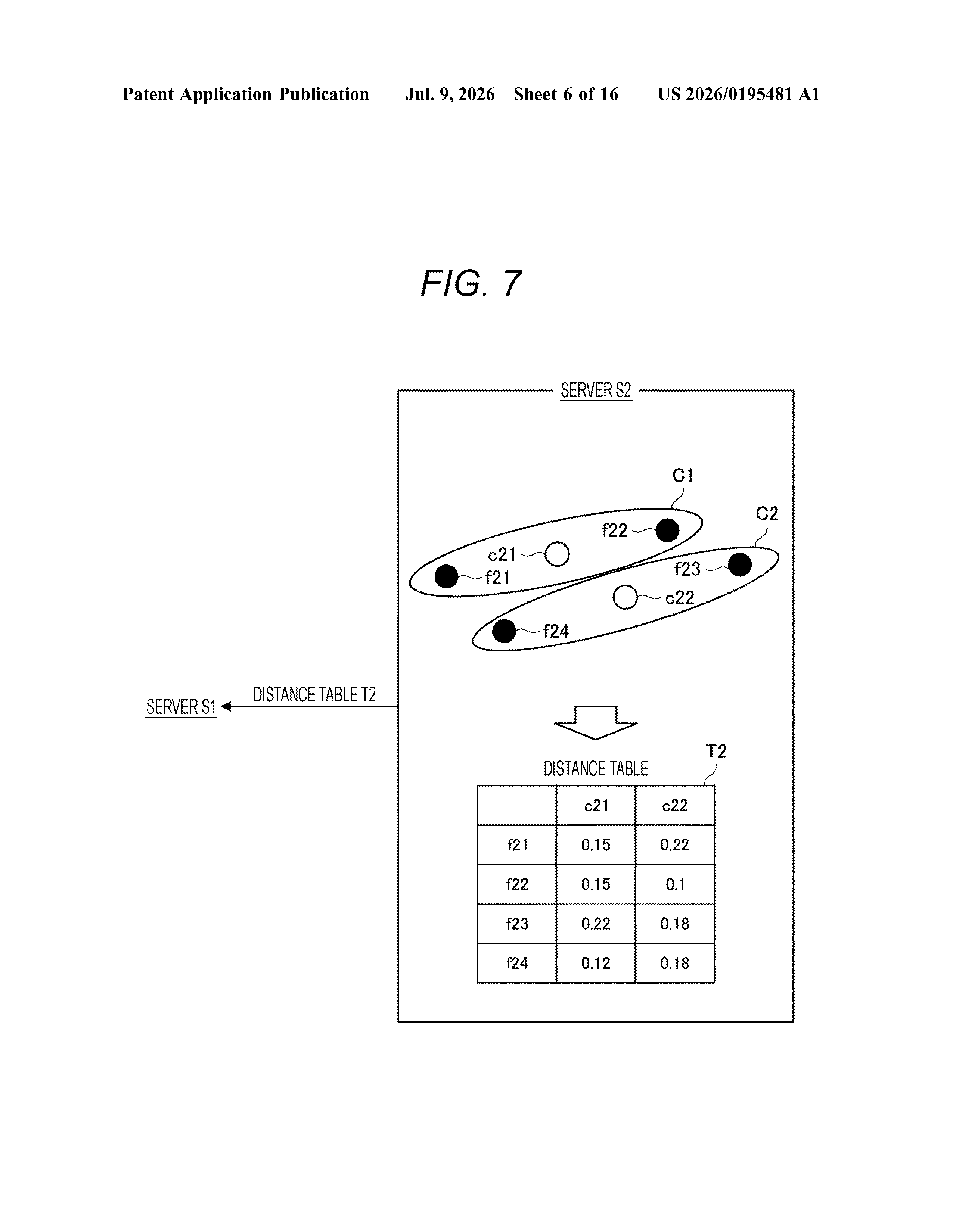
- Each machine independently calculates how close its fragment is to a reference point (a candidate cluster center), without sharing the raw data with the other machine.
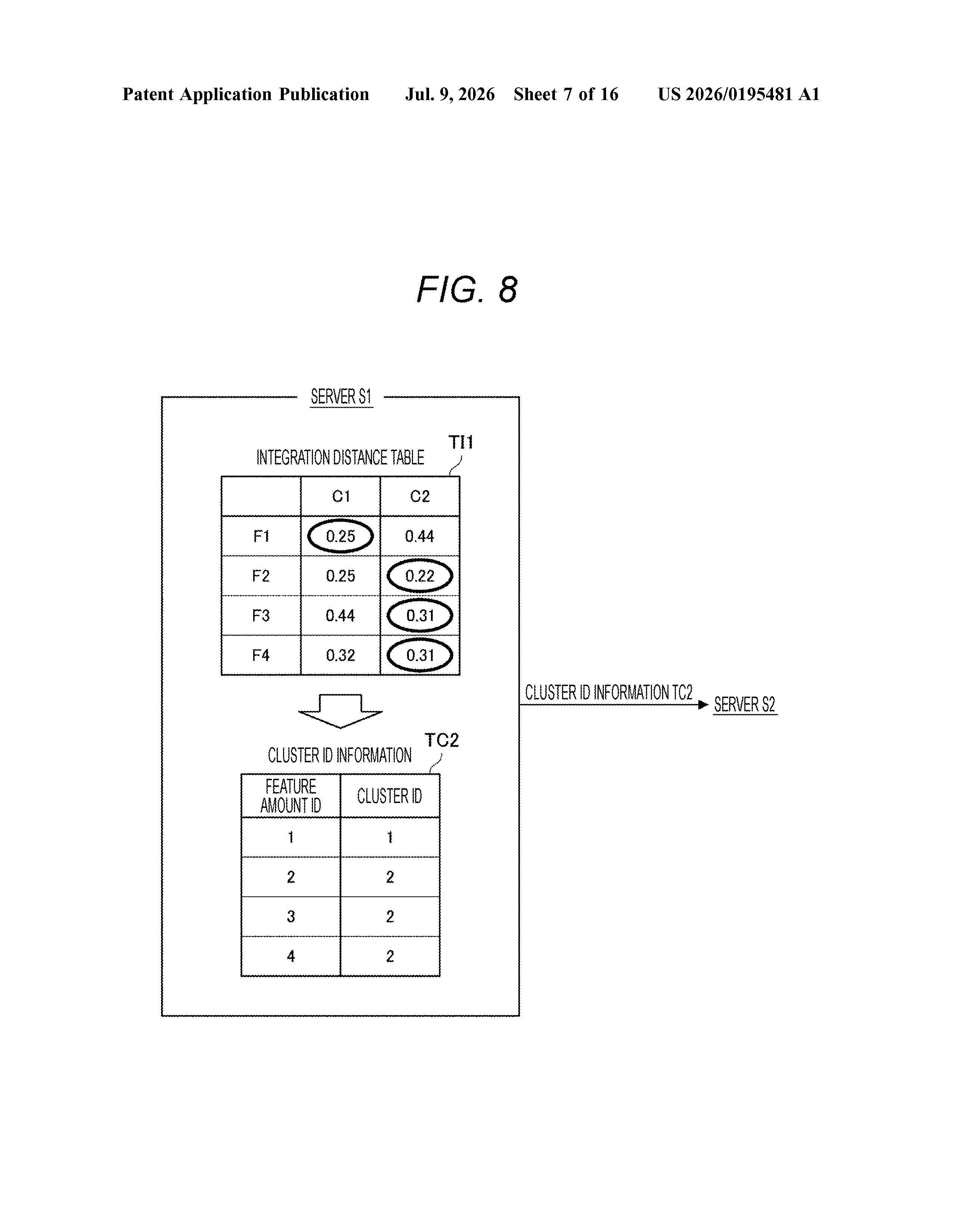
- By combining only those computed distance values, not the raw data, the system can still determine which cluster a data point belongs to.
This is a form of privacy-preserving computation, where sensitive inputs are never fully exposed to any single processing node. The technique is related to a field called secure multi-party computation, where two or more parties jointly compute a result without revealing their private inputs to each other.
The patent's claim covers the software layer (described as a "program") that makes one of these machines perform its role correctly within this split architecture.
What this means for AI systems handling sensitive data
As AI is used in healthcare, finance, and other sensitive domains, the risk of data leaks or misuse grows. Systems that require raw personal data to flow through a central server create a single point of failure, both technically and legally. Sony's approach builds privacy into the clustering computation itself, so the architecture is the protection rather than relying on access controls after the fact.
For enterprise AI deployments, particularly in regulated industries, this kind of design could make compliance with privacy laws like GDPR or HIPAA significantly easier. If your data is never whole in one place, exposure is structurally limited. Whether Sony intends this for its own products or as a licensable technology is unclear from the patent alone, but the underlying problem it addresses is real and growing.
This is a genuinely useful privacy engineering idea, not a flashy consumer feature, but the kind of foundational work that makes AI systems safer to deploy in regulated environments. The patent is abstract and covers software logic rather than a finished product, so it sits closer to a research filing than a product roadmap reveal. Still worth tracking if you care about privacy-preserving AI.
Get our take in your Top Stories
Liked this breakdown? Add Patentlyze as a preferred source on Google, and our plain-English take shows up more often in your Top Stories the next time Sony patent news breaks.
There are more where this came from
We read every patent application Big Tech publishes and send you the ones worth knowing. Plain English, free, every week.
The drawings
16 drawing sheets from US 2026/0195481 A1 · click any drawing to enlarge
Want this weekly breakdown for a company we don't cover? Patentlyze Pro →